Photo Cred:
Devin Murphy
An Invitation
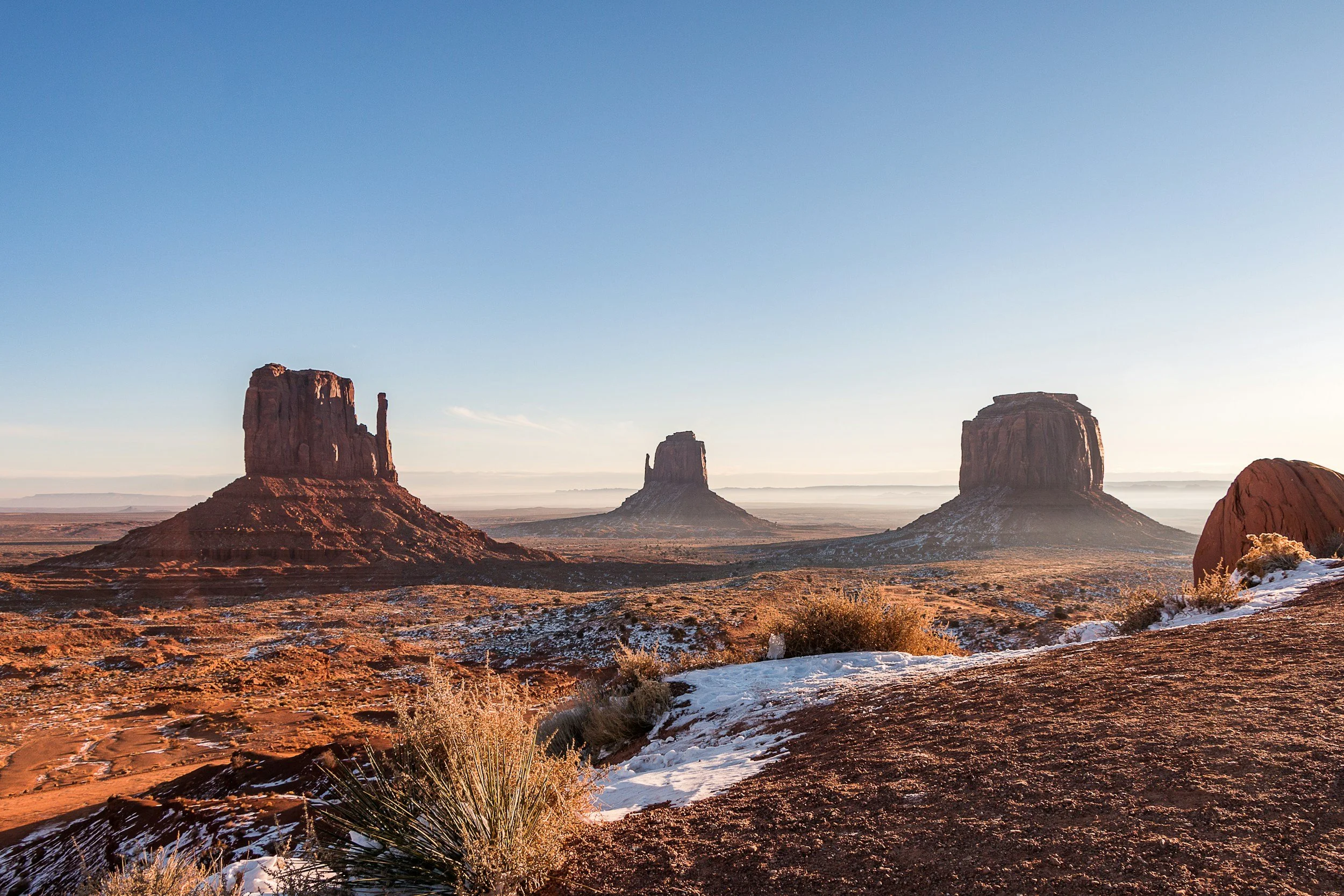
For past the couple of weeks, I’ve been quietly working on something that’s been tugging at me for a long time.Not just a collection of paintings, but a collection of stories.I’ve wanted to create a body of work centered on the American West for years. Not because it’s trendy or nostalgic, but because these places have shaped who I am. They’re where I learned to slow down, pay attention to light, and see beauty in places many people drive right past.They’re where I find my inspiration.They’re where I can step into a forgotten memory.When I walk through a national park, stand in an old mining town, or follow a trail that’s been there for generations, I don’t just see a landscape. I see history. I wonder about the people who came before us—their struggles, their victories, the risks they took, and the lives they built.Lately, as I’ve watched our national parks and public lands face increasing challenges, I’ve felt an even stronger pull to tell these stories. These places mean more to me than beautiful scenery. They’ve been my classroom, my refuge, and the source of countless paintings. They remind me why I became an artist in the first place.As an impressionist, I paint light, atmosphere, and color. But those are only part of the story.What truly draws me to the West is its spirit.Its grit.Its resilience.Its tenacity.And yes, its willingness to question authority and refuse to let someone else decide who you should become.Maybe that’s why I’ve always felt at home there.I’ve never been interested in painting what I’m expected to paint. I’ve never been comfortable fitting neatly into someone else’s idea of what an artist should be. The West has always reminded me that there’s another way—to forge your own path, to embrace the unknown, and to create work that’s honest.Over the coming year, I’ll be sharing a new body of work consisting of 25 to 30 paintings. Each piece will tell its own story. Some will explore the lawlessness that helped define the frontier. Others will honor the grit and determination of the people who called it home. Some will be inspired by forgotten places that still whisper their history if you’re willing to listen.This series isn’t about glorifying the past.It’s about preserving stories that deserve to be remembered.It’s about celebrating landscapes that continue to inspire artists, adventurers, and dreamers.Most of all, it’s about sharing the places that have shaped my life and my work.So consider this an invitation.Over the next several months, I’ll take you with me into the American West—one painting, one place, and one story at a time.I hope you’ll join me.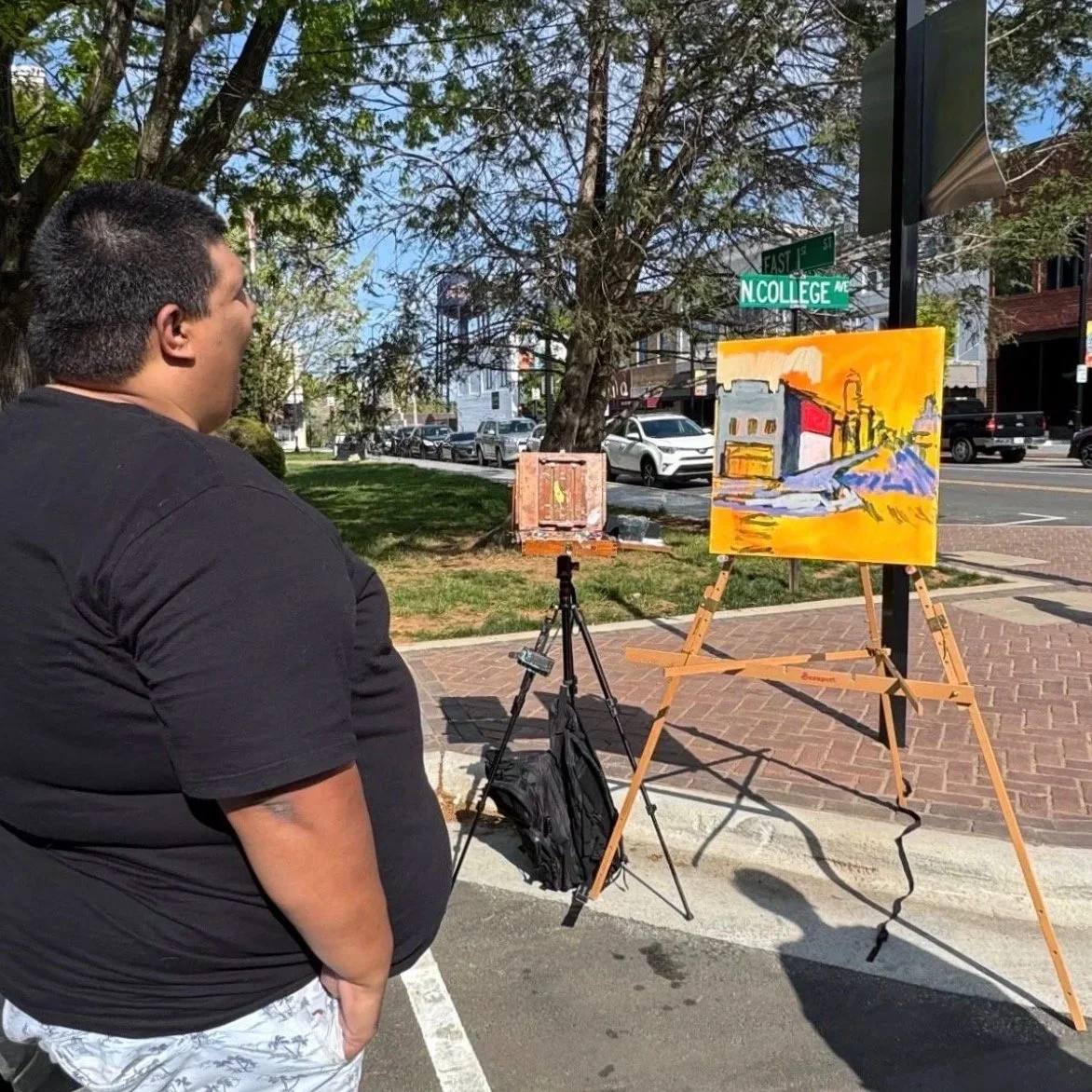
The Artist I Already Am
This past weekend, the paintbrushes stayed in the studio and I spent the weekend with family—celebrating birthdays, hanging out with nieces and nephews, catching up with my in-laws, eating way too much good food, and watching everyone enjoy water slides and a dunk tank.It was exactly what I needed.Now, before anyone asks…No, I did not go down the three-story water slide. If you know me, you already know why. They would’ve needed EMS on standby just to get me down that thing. I’ll happily cheer everyone else on from solid ground.But something else happened this weekend that mattered just as much.I rested.Not because I was lazy. Not because I didn’t have work to do. Because I needed it.If you’ve followed my journey for any length of time, you know I’ve been open about living with PTSD. Sleep isn’t a cure, but it’s one of the best tools I have for keeping the symptoms at bay. When I’m well-rested, I’m better equipped to handle whatever comes my way.Sometimes the most productive thing you can do isn’t produce.It’s resting.It’s laughing with family.It’s putting the phone down.It’s making memories with the people you love.Last week, I finally made it back into the studio, and I can’t even describe how good it felt to paint again. There’s something about putting brush to canvas where everything else fades into the background. It reminds me why I fell in love with art in the first place.I’ve been working on a brand-new series, and every painting feels like another chapter in a story I’ve been wanting to tell for a long time.And somewhere in that process, I realized something.A few weeks ago, I wrote about a question that had been weighing on me:What kind of artist do I want to be?I wrestled with labels. I didn’t want to be known as just a landscape painter. I didn’t want to feel boxed into painting one subject because that’s what people expected from me.I wanted the freedom to paint whatever the hell I wanted.And I still believe that.But over the past few weeks, something became incredibly clear.No matter what I paint…I always find myself coming back to the West.Not because someone told me to paint it.Not because it’s trending.Not because I think it’ll sell.Because it’s part of who I am.I was born in Venezuela, but I grew up in Utah. I had the privilege of having some of the most incredible landscapes imaginable right in my backyard.State parks.National parks.The Wasatch Mountains.Red rock deserts.Alpine lakes.Endless hiking trails.Antelope Island.Those places didn’t just shape my childhood.They shaped the way I see the world.They taught me to slow down and notice the way light moves across a mountain, how a storm can transform a landscape in minutes, and how much beauty can be found in wide-open spaces.Even now, living in North Carolina, I still find myself returning to those memories.When I imagine my next painting, more often than not, it’s the American West staring back at me.Then Monday happened.My wife asked if I’d be okay listening to a podcast episode with her. She asked first because we both know that certain things can trigger my PTSD, and she wanted to make sure I was in a place where I could handle it. I honestly thought I would be fine.I wasn’t.Something in that episode caught me completely off guard and sent me into a trauma response.It’s amazing how quickly things can change.I went from having one of the best weekends I’d had in a long time to feeling like the floor had been pulled out from underneath me.The best way I can describe the last few days is like a Rolodex of emotions that just wouldn’t stop spinning—anger, frustration, irritability, anxiety, and complete mental exhaustion.Trauma doesn’t politely knock on the door.Sometimes it kicks it down when you least expect it.Normally, I’d head straight to the studio, grab a brush, and work through it.This time, I couldn’t.It was simply too much.When I said I needed rest, I didn’t just mean sleep.I meant I was exhausted from fighting it.I was tired of carrying it every single day. Tired of feeling like I was always in survival mode. And if I’m being completely honest, I wasn’t just tired—I was tired of living. That’s how dark things had become.Not because I wanted to die.Because I was exhausted from constantly trying to survive.Trauma has a way of convincing you that you’re trapped in a fight you can never win. Every day felt like another battle, and I didn’t know how much longer I could keep carrying the weight.Tired of feeling like something outside my control could hijack my week in a matter of seconds.If you’ve never experienced trauma, it’s hard to explain how something as simple as a conversation, a smell, a sound, or a podcast can instantly pull your brain back to places you’ve worked so hard to leave behind.The good news is I’m starting to come out of it.I don’t know if I’ll be back in the studio tomorrow or next week, and that’s okay. I’m learning that healing isn’t pretending I’m fine. It’s giving myself permission to recover instead of beating myself up for not being productive.And maybe that’s why this realization about the West has been so important.Because I’ve finally stopped asking permission.I’ve stopped worrying about whether my work fits neatly into a category.I’ve stopped wondering whether I should paint something else just because it’s expected.The truth is, I’ll always chase beautiful light wherever I find it. I’ll still paint a coastal marsh, a woodland trail, or a mountain overlook if it speaks to me.But I’ve come to accept something I’ve probably known all along.I can’t be me without the West.The West isn’t just a subject I paint.It’s where I learned to see.It’s fly fishing on quiet rivers.It’s dusty trails, wildlife, weathered barns, ranches, cowboys, and endless skies.It’s watching light spill across red rock and mountain peaks.It’s the place that taught me to slow down, to pay attention, and eventually to become an artist.Maybe that’s the answer I’ve been looking for all along.Not:What kind of artist do I want to be?But:What places made me the artist I already am?For me, the answer has never changed.The American West.I share all of this because I never want people to confuse the trigger with the person.This isn’t who I am.It’s something I carry.I’m still the same guy who gets excited about a fresh canvas, loves teaching art, laughs too hard at bad jokes, and somehow believes buying another paintbrush is always a good investment.PTSD may shape some of my days, but it doesn’t get to define my life.If you’re carrying your own invisible battles, I hope you know this:Needing rest doesn’t make you weak.Healing doesn’t always happen on our timeline.Sometimes strength looks less like pushing through and more like saying,“Today, I’m going to be kind to myself.”I’m incredibly grateful for my family, for a wife who walks beside me even when neither of us sees a trigger coming, and for all of you who continue to support my art and encourage me along the way.The paintings will still be waiting.The easel isn’t going anywhere.And when I pick up that brush again, I’ll do it with the same gratitude that’s been there since I was a kid asking for art supplies instead of toys.Until then, I’m choosing grace over guilt.One day at a time.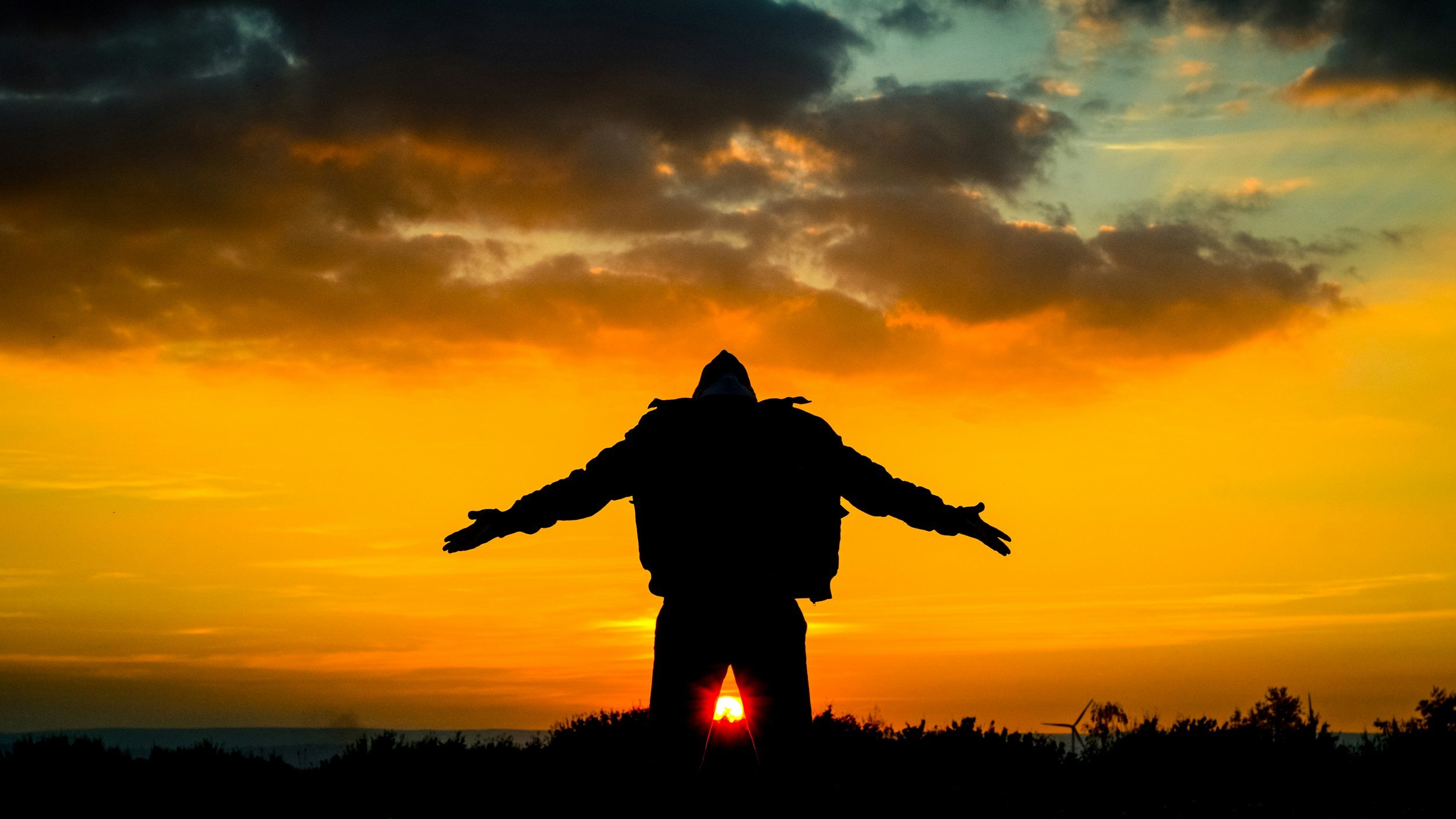
Inspired Again
It feels good to say this…I’m inspired again.A few days ago, I ordered six 30x40 gallery-wrapped canvases. They haven't even arrived yet, but I already know exactly what one of them is going to become. Like many of my favorite paintings, it will begin with my field easel set up somewhere outdoors, chasing the light and painting en plein air.There’s something special about painting on location. Standing in a place, hearing the wind move through the trees, feeling the warmth of the sun, and trying to capture that fleeting moment with bold brushstrokes reminds me why I fell in love with painting in the first place. It’s where I feel most connected—not just to the landscape, but to the creative process itself.Over the past several weeks, I've spent some time reflecting, making a few important changes, and finding my way back to a healthier rhythm. Somewhere along the way, I realized that my creative spark had grown quieter than I wanted to admit. Thankfully, that's beginning to change.Lately, ideas have been pouring into my sketchbook faster than I can keep up. I have concepts for new landscapes, several larger paintings I've been dreaming about, and even a few new series that I'm excited to explore. It's the kind of excitement that keeps your mind turning long after you've gone to bed because you're already imagining the next brushstroke.One thing this season has reminded me is that creativity doesn't exist in isolation. It grows when we take care of ourselves, slow down enough to notice the world around us, and create space for inspiration to find us. Sometimes the best thing we can do for our art isn't to push harder—it's to reconnect with the things that help us see clearly again.When your mind is in the right place, you notice everything. The way morning light spills across a mountain ridge. The unexpected colors hiding inside a shadow. The quiet story waiting in an old weathered barn or forgotten country road. Those moments have always been there—they're just easier to see when you're fully present.So here's to fresh canvases, early mornings with my easel, paint-covered hands, and countless miles of back roads searching for the next scene worth preserving.The next chapter is already taking shape, and I couldn't be more excited to share it with you.Thank you for following along on this journey. I have a feeling these next few weeks will bring some of my biggest, boldest, and most meaningful paintings yet—and I can't wait for you to see them.I
I Don’t Want to Be Put in a Box
Lately, I’ve been asking myself a question that I think every artist wrestles with at some point:What kind of artist do I want to be?I know the easy answer. I’m an acrylic landscape painter. I love painting outdoors. I love bold colors, loose brushstrokes, and the challenge of capturing a place before the light changes.But is that all I want to be?Do I want to paint only Western landscapes? Do I want to paint lighthouses for the rest of my life? Should I stick to one subject because it’s what people expect from me?The more I think about it, the more I realize my answer is simple.I just want to be me.I don’t want my creativity to fit neatly into a category. I don’t want to chase a label because it’s easier to market or because someone says that’s what collectors buy. I don’t want to spend my career wondering what I should paint instead of listening to what excites me.Some days that inspiration might be a mountain in Wyoming. Other days it’s an old brick building, a portrait, a fly fisherman standing in a river, or a quiet street at sunrise. Maybe it’s a lighthouse. Maybe it isn’t.The subject isn’t what matters most.The feeling is.I want the freedom to paint what inspires me, when it inspires me, and in a way that feels authentic to who I am. I want to experiment with color. I want to play with texture. I want to make mistakes, discover new techniques, and keep growing without worrying whether my work fits into someone else’s definition of what my art should look like.Artists are often asked, “What’s your specialty?”For a long time, I thought I needed a better answer. Something more specific. Something that fit nicely into a sentence.Now I think I do have an answer.I specialize in being me.That doesn’t mean I paint everything. It means I paint what genuinely moves me. It means I’m not interested in becoming a factory that repeats the same painting over and over because it’s safe.I’d rather build a body of work that reflects my curiosity, my experiences, and the places and moments that stop me in my tracks.Maybe that means my portfolio won’t fit into one perfect category.I’m okay with that.Because at the end of the day, I don’t want people to look at my work and think, “That’s a Western artist,” or “That’s the lighthouse guy.”I want them to look at my paintings and simply say,“That’s a Manny.”And I think that’s the kind of artist I’ve been trying to become all along.
Slowing Down: The Most Important Lesson My Art Career Has Taught Me
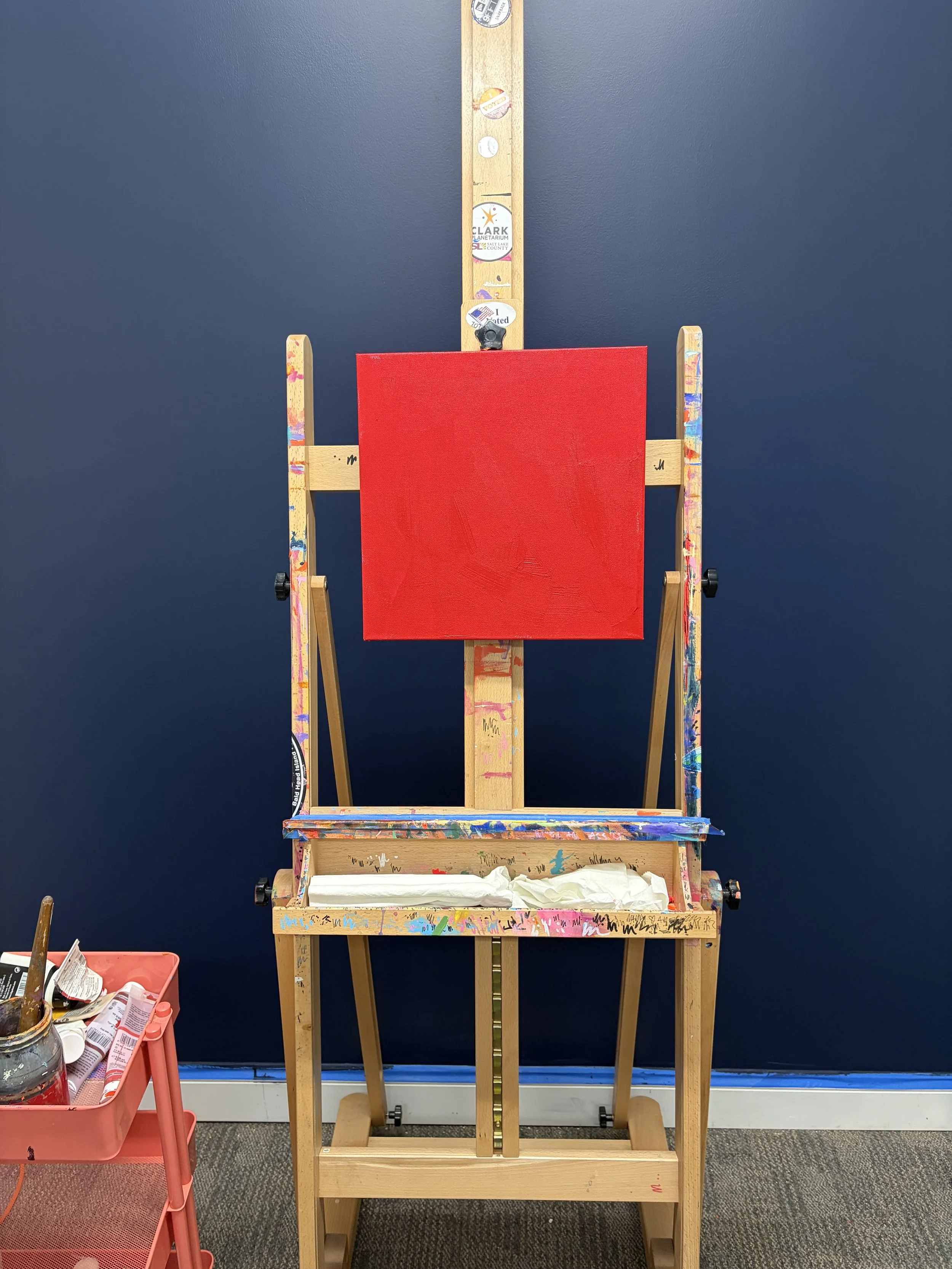
Last year, I was running on full speed.I was painting two to three paintings every single week—sometimes even more. If I wasn’t in the studio, I was planning the next painting, traveling to festivals, teaching workshops, preparing for gallery deliveries, or posting on social media. I convinced myself that staying busy meant I was making progress.And in many ways, I was.My business was growing. New opportunities were coming my way. I was teaching, exhibiting, traveling, and creating more work than I ever had before. From the outside looking in, it probably looked like I had found the perfect rhythm.But eventually, my body started telling me something my mind refused to hear.I was tired.Not the kind of tired that disappears after a good night’s sleep. The kind that settles into your creativity and makes even the thing you love most begin to feel like another item on a checklist.Living with PTSD has also played a role in that exhaustion.Something many people don’t see is how mentally and physically draining PTSD can be. Some days my mind is clear and focused. Other days, even simple tasks require twice the amount of energy. It’s easy to become frustrated when your body and mind aren’t operating at the pace you want them to.For a long time, I tried to push through it.I thought that if I just worked harder, painted more, or stayed busier, I’d eventually outrun the exhaustion. I couldn’t.This year, I made a decision that hasn’t always been easy.I slowed down.Instead of measuring success by how many paintings I finish in a week, I’m trying to measure it by something much more important: the quality of the work and the quality of my life.I’m learning to listen to my body instead of fighting it.If I need a day—or even several days—to rest, I rest.If inspiration strikes, I paint.If it doesn’t, I don’t force it.That doesn’t mean I’ve become less passionate about painting. Quite the opposite.Ironically, giving myself permission to slow down has made me even more excited about creating.Rather than chasing the next finished painting, I’m building collections and series that genuinely excite me. I’m exploring subjects I’ve wanted to paint for years, including portrait painting—a skill that’s humbled me in the best possible way. Becoming a beginner again has reminded me that growth doesn’t always happen through speed. Sometimes it happens through patience.The studio has become part of that creative process too.I’ve been reworking the floor plan, repainting the walls, organizing supplies, and creating an environment that makes me want to paint. It’s amazing how much a refreshed workspace can refresh your mindset.Then there’s the part of being an artist that most people never see.The emails.The bookkeeping.Updating the website.Ordering inventory.Planning workshops and events.Writing blogs.Marketing.If I’m honest, I’d almost always rather have a paintbrush in my hand than sit behind a computer.But owning an art business means wearing more hats than just “artist.”I’ve had to remind myself that these tasks aren’t distractions from my art—they’re what allow my art to exist as a career.A painting doesn’t sell itself.A workshop doesn’t organize itself.A gallery relationship doesn’t maintain itself.Every invoice, every email, every social media post, every website update, and every hour spent behind the scenes is another brushstroke in building a sustainable life as an artist.I’ve also learned something even more valuable.Rest isn’t laziness.Listening to your body isn’t weakness.Taking care of your mental health isn’t falling behind.For someone living with PTSD, self-care isn’t optional—it’s essential. If I don’t take care of myself first, I can’t show up fully in the studio. The paintings suffer, my creativity suffers, and eventually, so do I.I’ve stopped feeling guilty for resting.Because rest isn’t the opposite of productivity.It’s part of it.For years, I believed productivity meant constantly producing.Now I’m beginning to believe productivity also means protecting your creativity so it lasts for decades instead of burning brightly for a few exhausting seasons.I’m still painting.I’m still dreaming.I’m still working hard.I’m just doing it at a pace that allows me to enjoy the journey instead of simply racing toward the next finish line.Maybe that’s what growth really looks like—not doing more, but learning when enough is enough.As artists, we’re often told to hustle, create more, post more, and always keep moving.But sometimes the bravest thing we can do is pause.To breathe.To heal.To organize.To learn.To simply be.Because the paintings will still be waiting for us tomorrow.And for the first time in a long time, I’m okay with that.In fact, that feels like progress.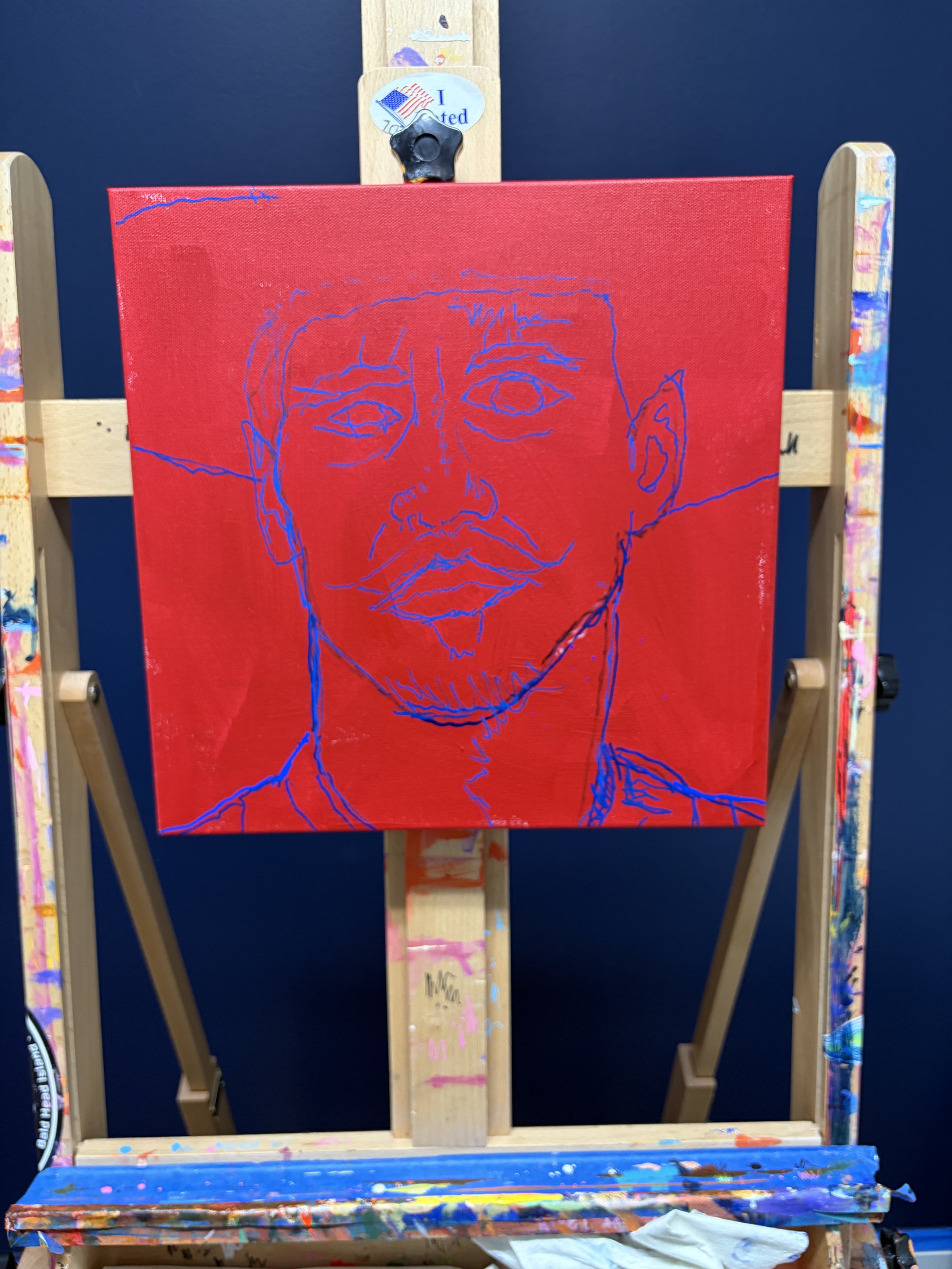
Becoming a Beginner Again
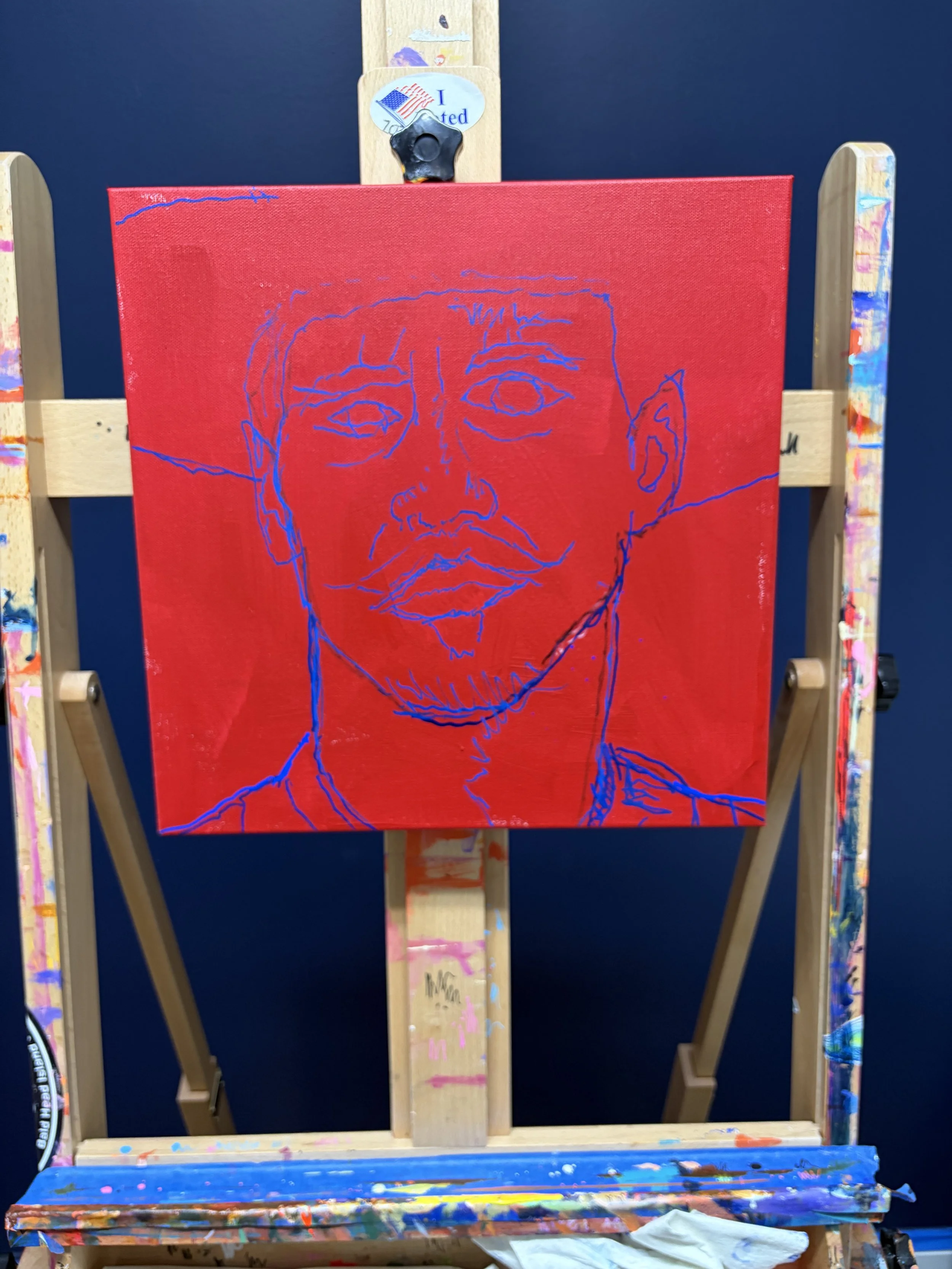
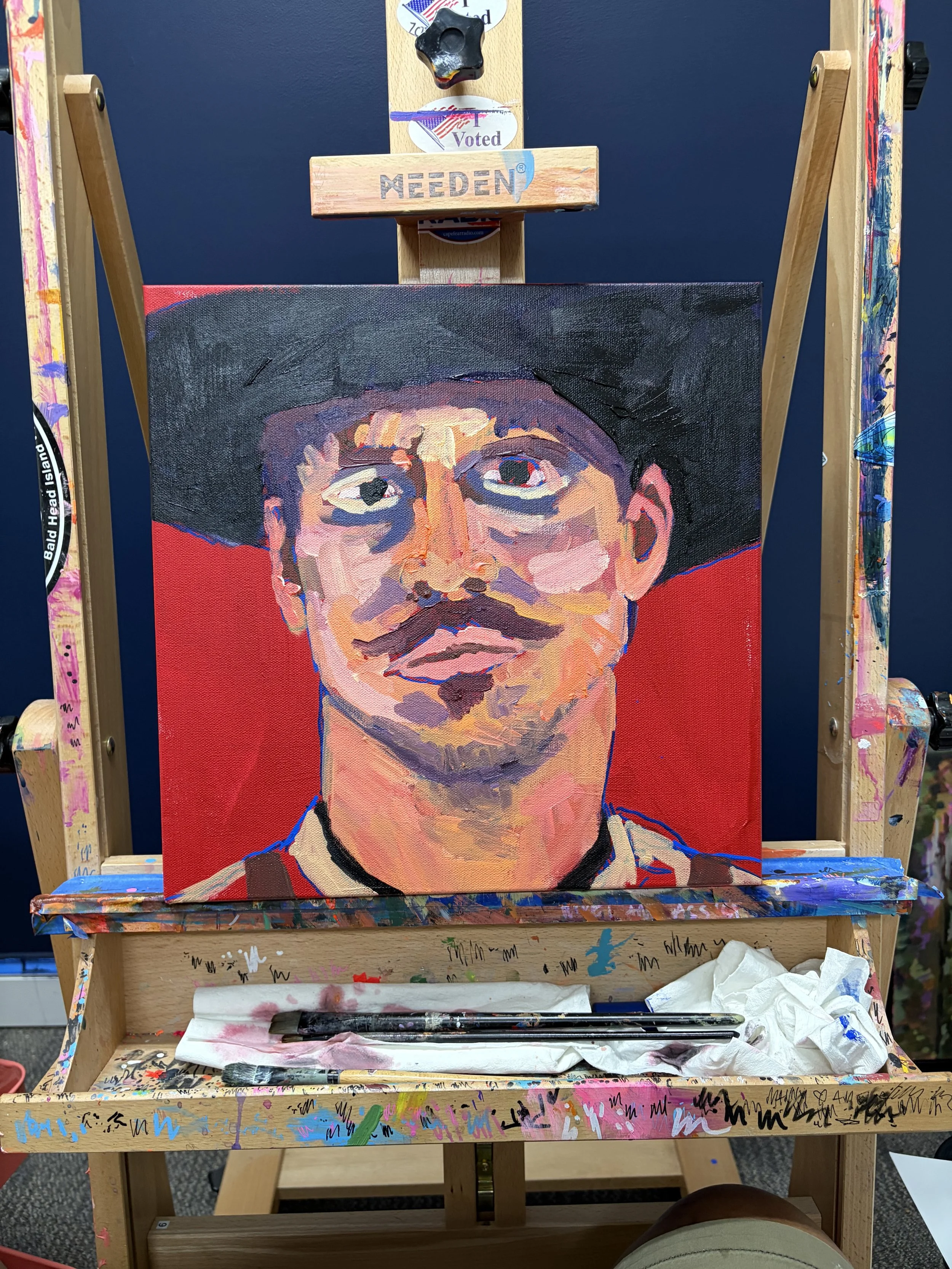
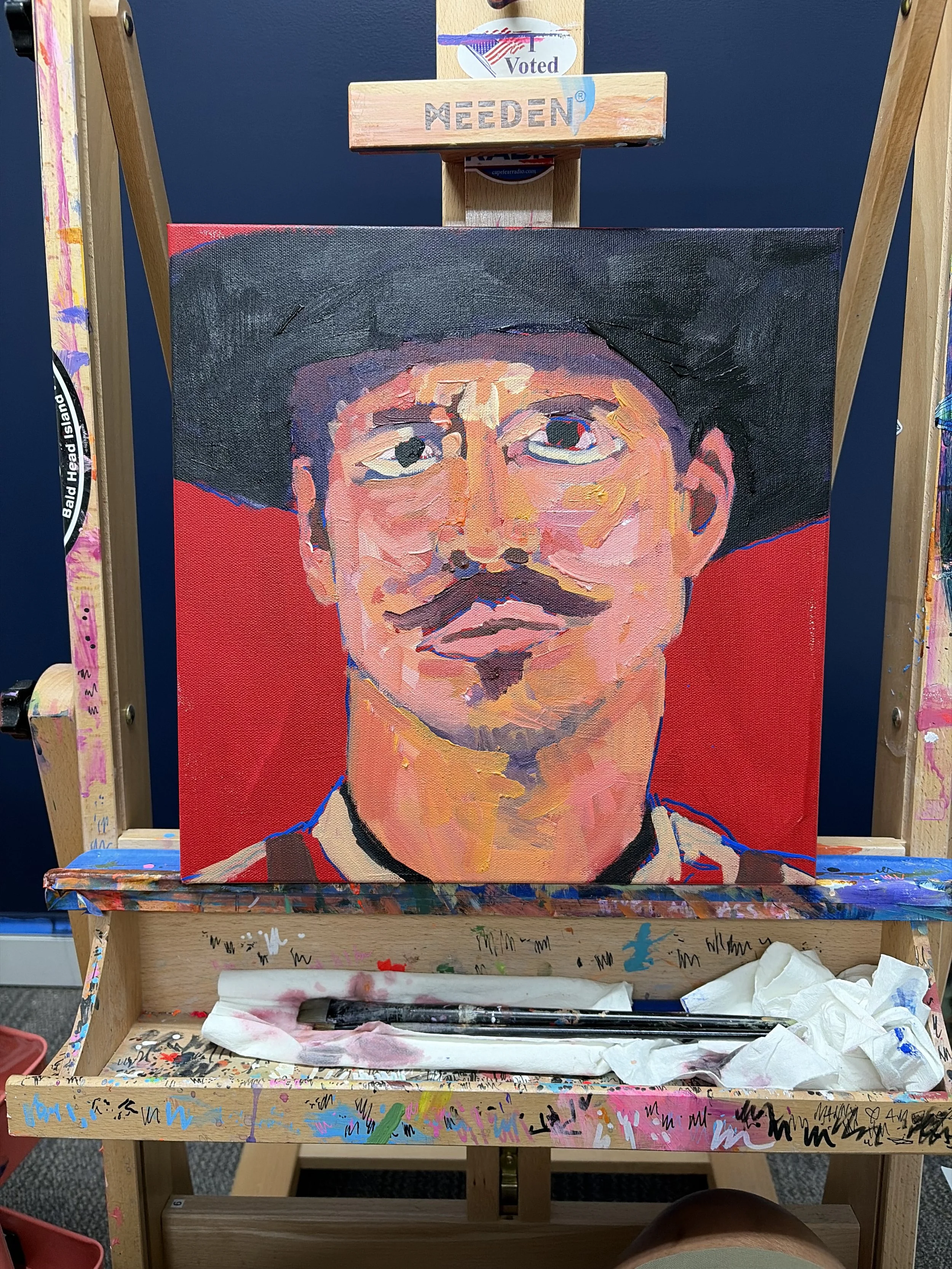
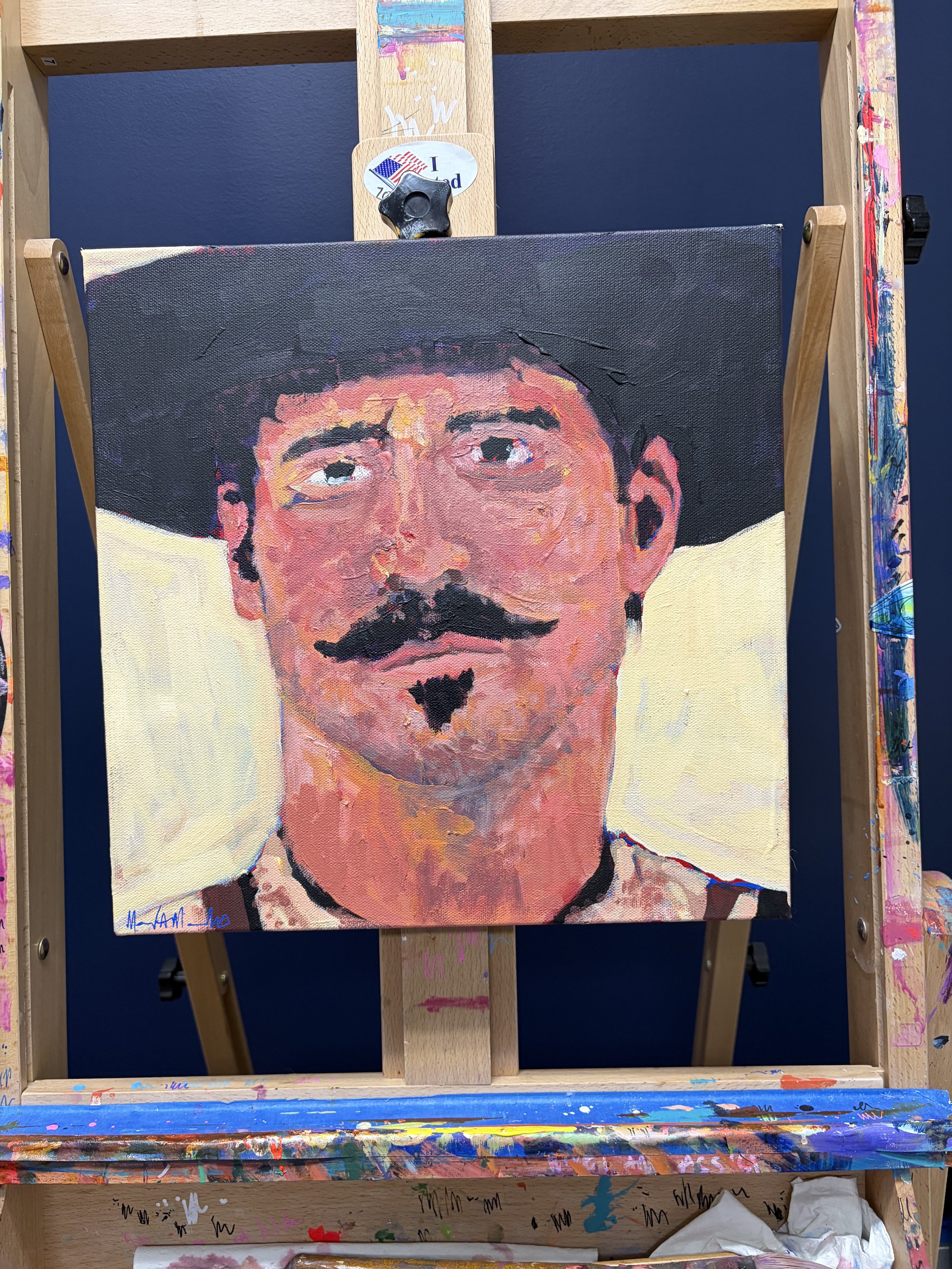
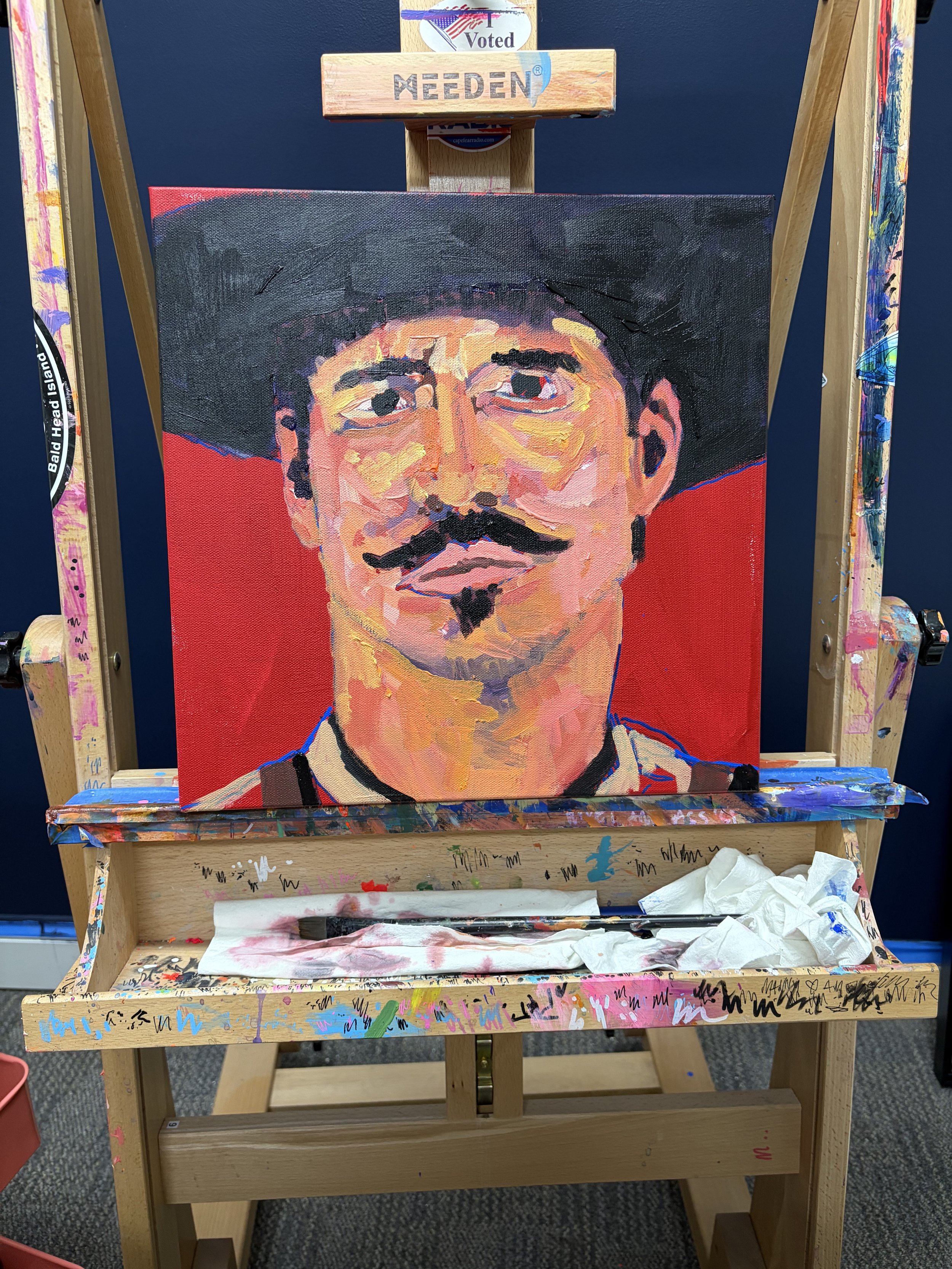
There’s something exciting about standing at the edge of something completely new.For years I’ve painted landscapes, wildlife, and architecture. I know how to mix color. I understand values, edges, composition, and brushwork. So I figured portrait painting would just be another subject to learn.I couldn’t have been more wrong.I finally decided to take the plunge and paint my very first portrait. What better introduction than Doc Holliday from Tombstone? The movie has always been one of my favorites, and I thought it would make the perfect challenge.The first few hours were filled with excitement. I had my reference, my sketch was laid down, and I was ready to go.Then I made the first brushstroke.Suddenly… I forgot how to paint.Nothing looked the way I imagined it would. Every stroke felt wrong. The bold, loose confidence I admired in artists like Alpay Efe and The Paint Coach seemed impossible to achieve. I knew how to mix colors, but painting a face? That’s a completely different game played in a completely different ballpark.Hours turned into frustration.Frustration turned into self-doubt.And self-doubt turned into beating myself up.I caught myself thinking, “I thought I knew how to paint.”Thankfully, I called Mia.After talking with her, something clicked.She reminded me of two very simple truths.First… this is my first portrait.Second… I can only get better from here.Those two thoughts changed everything.Of course it wasn’t going to look the way I envisioned it. Of course it was going to be difficult. I was asking my brain and my hands to learn something entirely new.Portraits aren’t just another painting—they’re their own language.And I’m just learning to speak it.The more I thought about it, the more I realized this is exactly why I wanted to do it in the first place. I’ve wanted to learn portrait painting for a long time—not to paint like someone else, but to eventually paint portraits in my own style.That’s going to take time.It’s going to take a lot of ugly paintings.It’s going to take frustration.But it will also take persistence.I’ve learned something about myself over the years. Whenever something feels impossibly hard—or someone says I can’t do it—a switch flips inside me. I don’t become motivated to prove them wrong.I become determined to prove to myself that I can.Not by copying another artist.Not by chasing someone else’s style.But by finding my own voice, even if that means becoming a beginner all over again.There’s something humbling about starting over. It reminds you what every artist goes through. It reminds you that growth isn’t comfortable, and confidence isn’t something you’re born with—it’s earned one painting at a time.So here’s to portrait number one.It isn’t perfect.It isn’t what I imagined.But it’s the beginning of something I’ve wanted for a long, long time.And honestly?I can’t wait to paint the next one.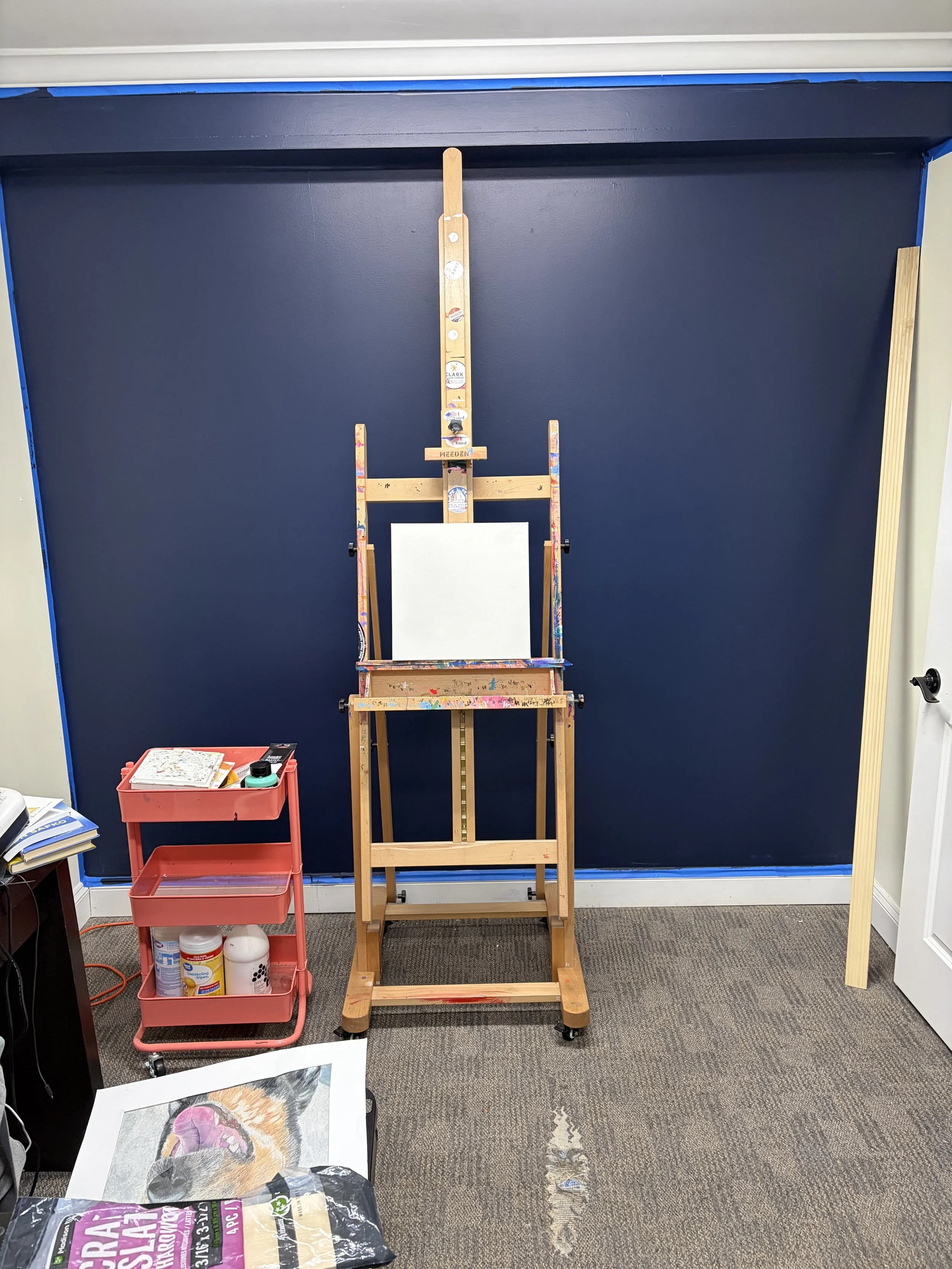
Listening to the Pause
Lately, I've been itching to get back into the studio and paint.The ideas are there. The excitement is there. There are paintings and entire series swirling around in my head, waiting to come to life. Every day, I find myself thinking about colors, compositions, and all the possibilities that are waiting for me when I pick up a brush again.Have you ever felt that way? So energized by a new idea that you can barely sit still? So eager to create that your mind races ahead to what could be?That's exactly where I am right now.The challenge is that my body is telling me something different.While my creative energy is ready to jump back in, my body is still asking for rest. Recovery isn't always convenient, especially when inspiration strikes. There's a temptation to push through, to convince myself that I can do just a little more, a little sooner.But experience has taught me otherwise.If I rush back before I'm truly ready, I risk extending the very recovery I'm trying to move beyond. What feels like progress in the moment could end up costing me more time in the long run. As frustrating as it is, the wiser choice is to listen.So for now, I'm practicing patience.That doesn't mean the creativity disappears. The ideas are still growing. Sketches are being imagined. Future projects are taking shape in quiet ways. Sometimes creative work isn't about producing—sometimes it's about observing, reflecting, and allowing ideas the space to mature.This season is reminding me that rest is not the opposite of creativity. In many ways, it's part of the process.The studio will still be there when I'm ready. The paintings will still be waiting. And when the time comes to return, I'll be doing so with the energy and strength needed to fully embrace the work ahead.For now, my job is simple: recover, listen, and trust that this pause has a purpose.The ideas aren't going anywhere. They're just waiting for the right moment to emerge.
Rest Is Part of the Process
This week, I’m taking some time to rest and recharge.I’ve been feeling under the weather physically, but the bigger challenge has been the mental uphill battle. Sometimes life reminds us that we can’t always keep pushing forward at full speed. Sometimes the most productive thing we can do is slow down and take care of ourselves.While I’m stepping back from painting for a few days, I’ve been working on building out my gallery display wall. Fresh paint, trim, lighting, and a new hanging system will help me better showcase my work, update my portfolio, and create stronger images for future prints and marketing.As artists, it’s easy to feel guilty when we’re not creating, but rest is part of the process. Growth doesn’t always happen with a brush in hand. Sometimes it happens by taking care of your health, improving your workspace, and preparing for what’s next.For now, I’m choosing rest, recovery, and patience. Thank you for following along and supporting my work. I’ll be back next week with a new blog, hopefully feeling refreshed, refocused, and ready for the next chapter.
The Inner Battle
There’s a side of being an artist that people don’t really talk about enough. The side where your mental health can slowly get tied to numbers, likes, engagement, sales, opportunities, and comparison. The side where you pour your heart into a painting, share it online, and somehow let the response to it affect how you feel about yourself. I’ve found myself in that place more times than I’d like to admit.For a long time, I didn’t realize how much I was measuring my success through social media. If a post didn’t do well, I’d overthink it. If another artist sold work, landed a gallery opportunity, or seemed to be gaining momentum, I’d catch myself comparing my journey to theirs. And when certain opportunities didn’t work out for me, whether a roster was full, applications were closed, or it simply wasn’t the right fit, it was easy to internalize it and question myself.Lately, though, I’ve been learning how important it is not to let those things define me.That quote, “Comparison is the thief of joy,” may sound cliché, but I’ve realized there’s a lot of truth in it. Comparison has a way of shifting your focus away from your own growth and making you feel like you’re falling behind, even when you’re actually moving forward in your own way.Social media especially can create this illusion that everyone else is constantly winning. You see the sold stickers, gallery announcements, packed workshops, and viral reels. What you don’t always see are the quiet moments behind the scenes — the doubt, rejection, burnout, and hard seasons that almost every artist experiences at some point.Over the past year, I’ve really been trying to approach my art differently. I want to create work that genuinely means something to me. Paintings that connect with me on a deeper level and remind me why I fell in love with painting in the first place. Not work rushed for the algorithm or made just to keep up, but honest work with intention behind it. Quality over quantity.I’ve also been learning the importance of slowing down and resting when I need to. For a while, I felt like I constantly needed to be producing, posting, and proving myself. But that nonstop mindset can quietly drain the joy out of creating if you’re not careful.Most importantly, I’m learning not to hand my self-worth over to numbers on a screen. Likes and engagement don’t define my value as an artist or as a person, even though it can be easy to forget that sometimes.I know these feelings probably won’t disappear overnight. There will still be moments where doubt creeps in or comparison sneaks its way back into my mind. But I’m getting better at recognizing it and choosing not to sit in it for too long. I’m learning to celebrate other artists without seeing their success as something that takes away from my own journey.A friend once told me something that really stuck with me: my path isn’t supposed to look like anyone else’s. Success looks different for every artist. We may all be heading toward similar goals, but we’ll arrive there through different experiences, different timing, and different paths.And honestly, I’m starting to see that maybe that’s the beauty of it all.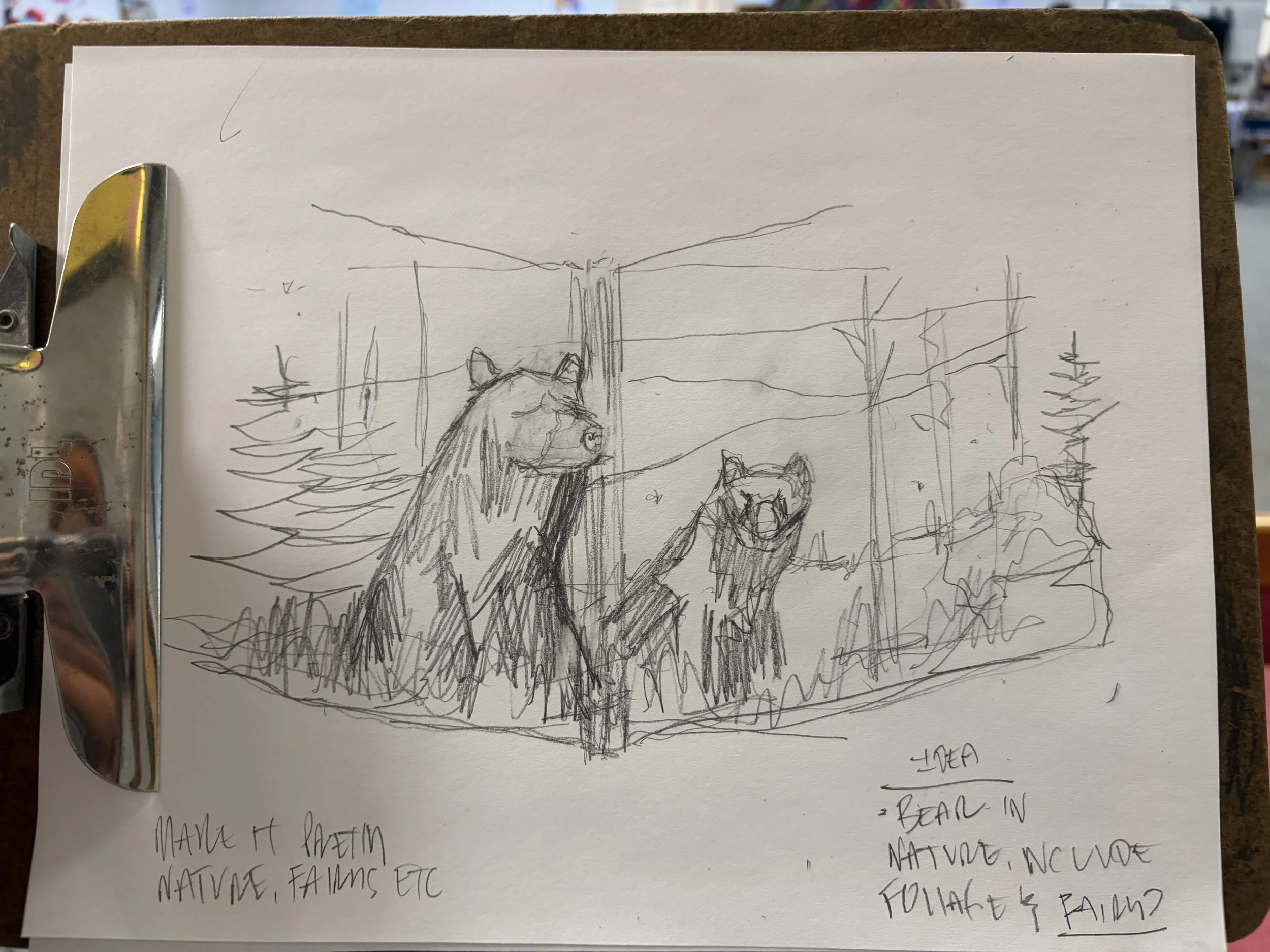
From Sketch to Wall
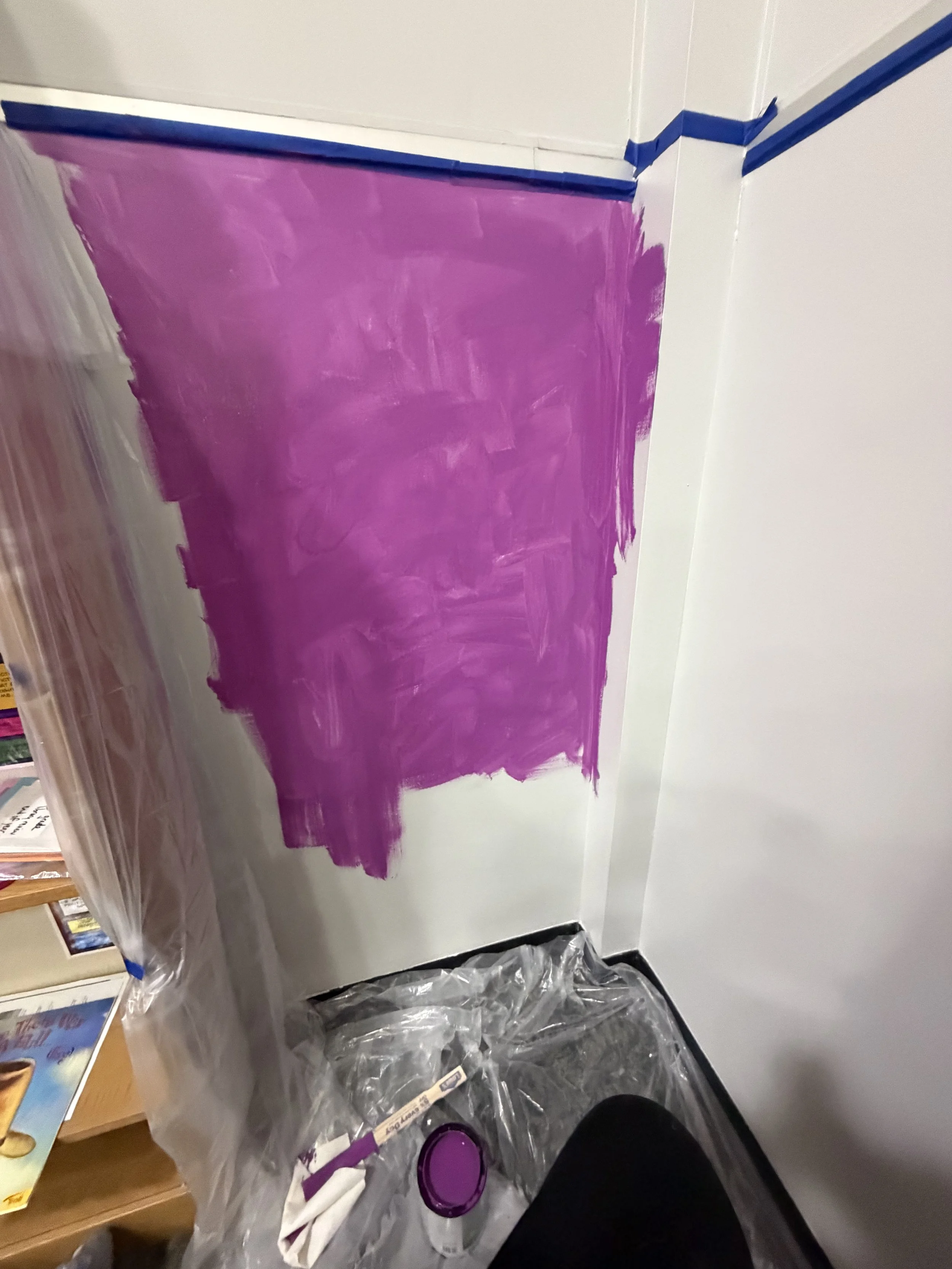
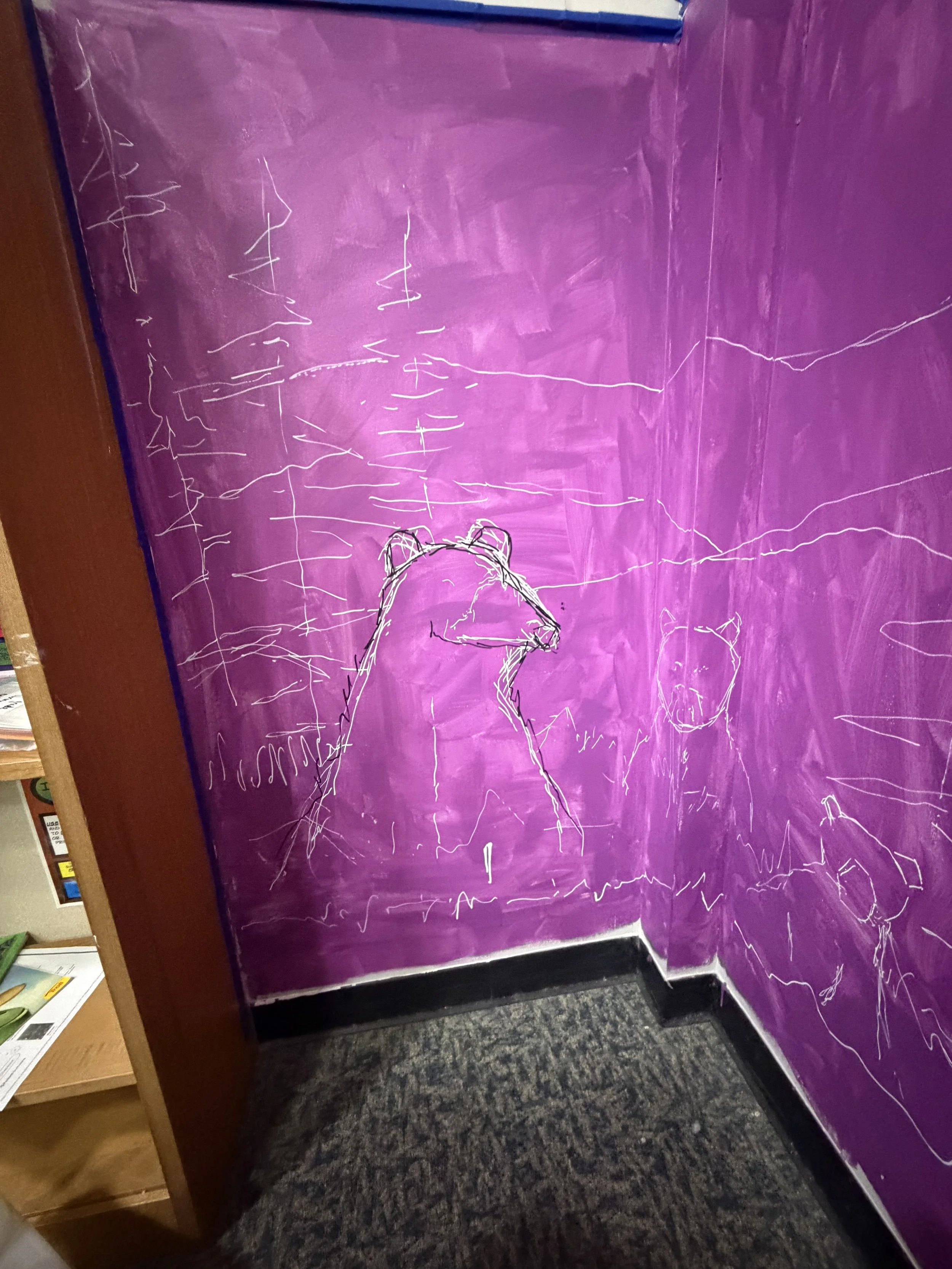
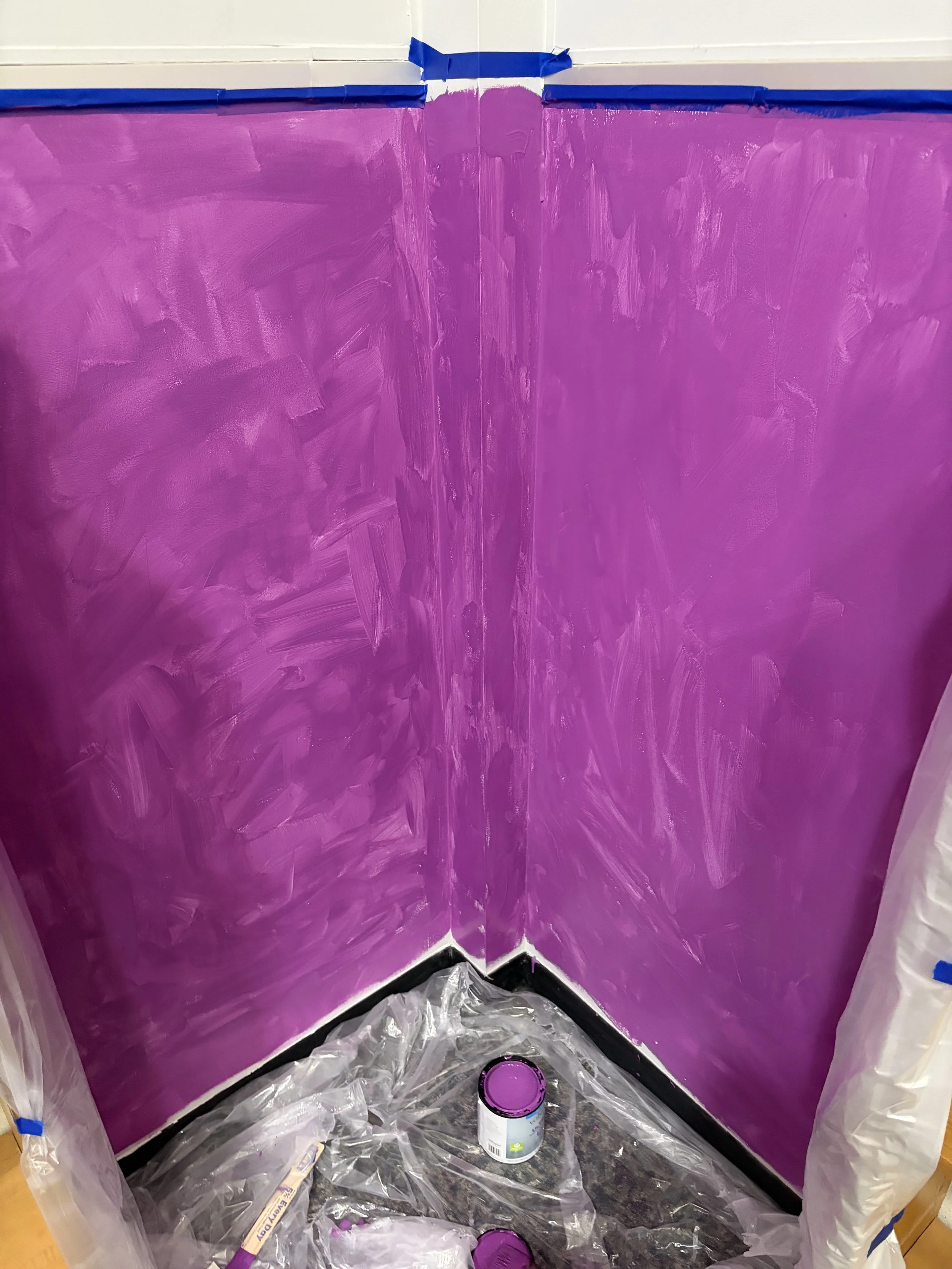
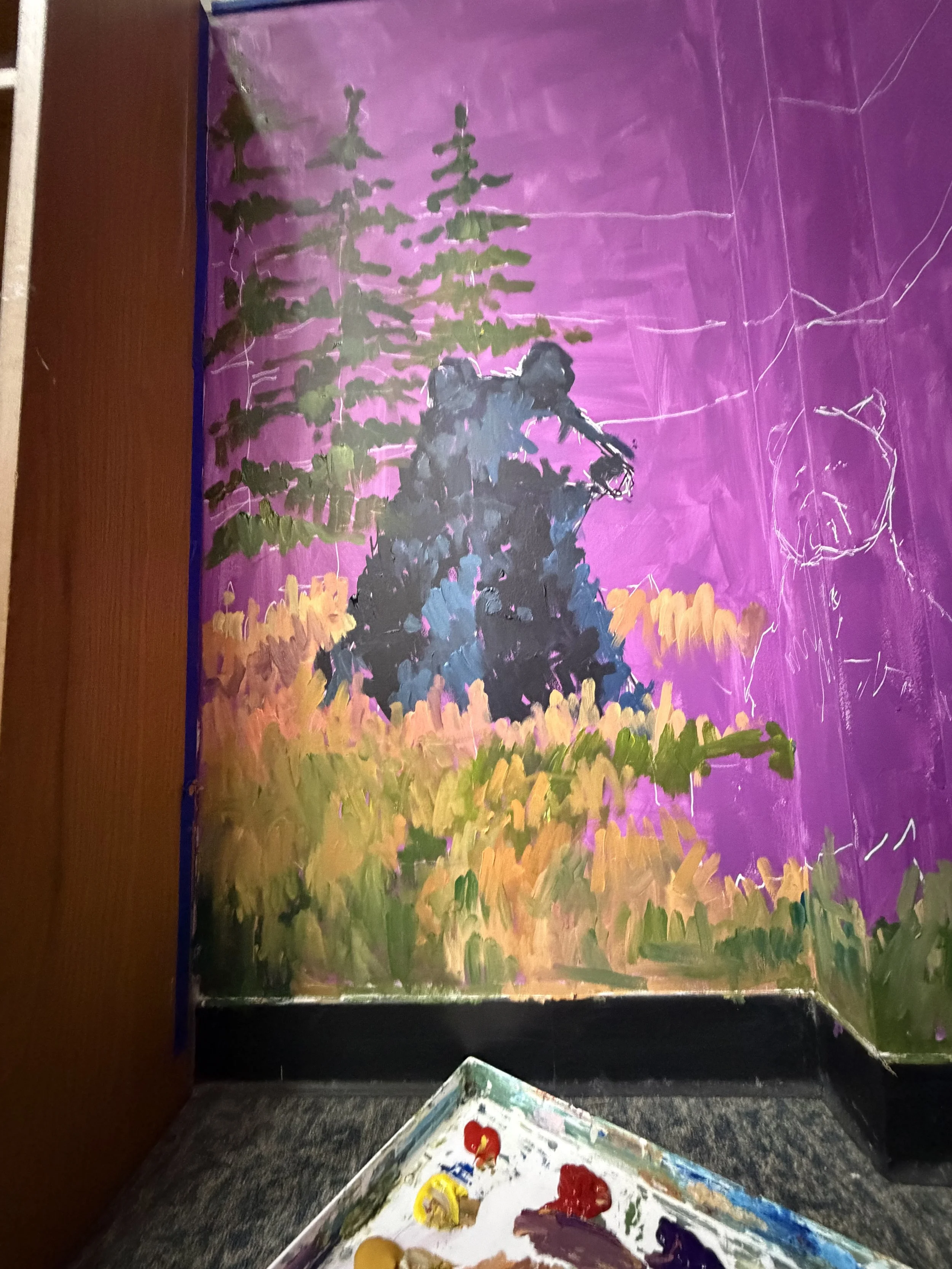
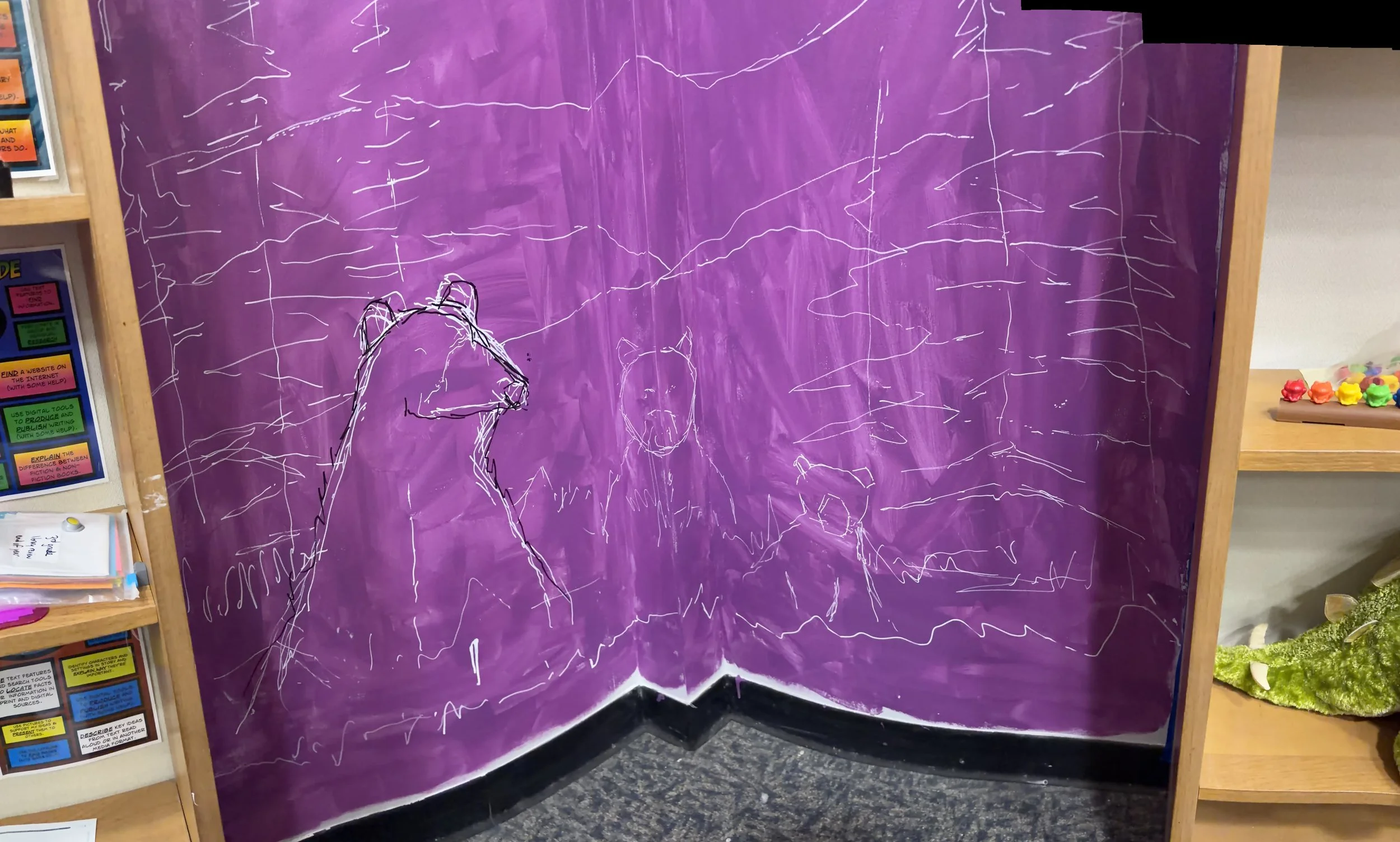
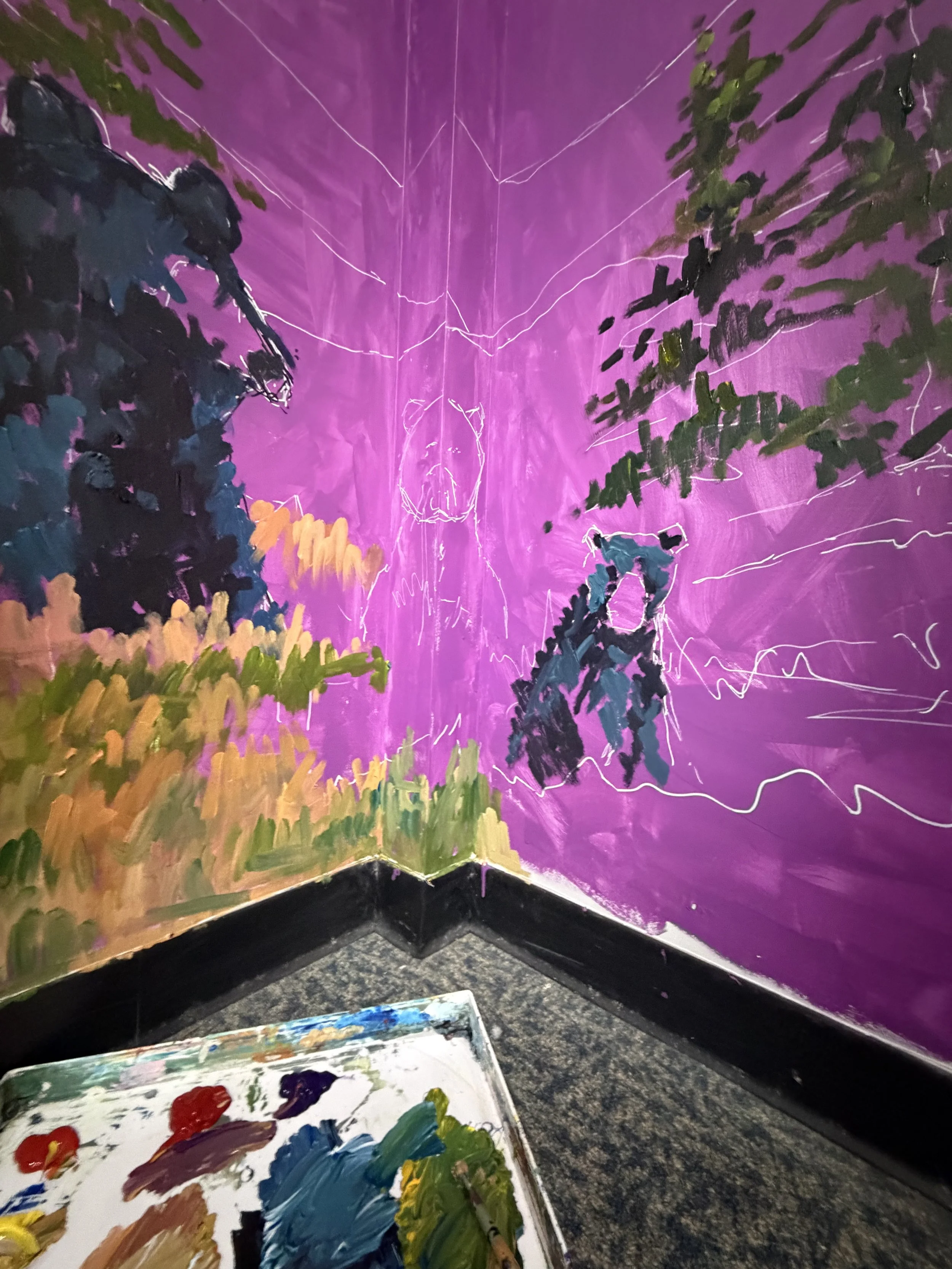
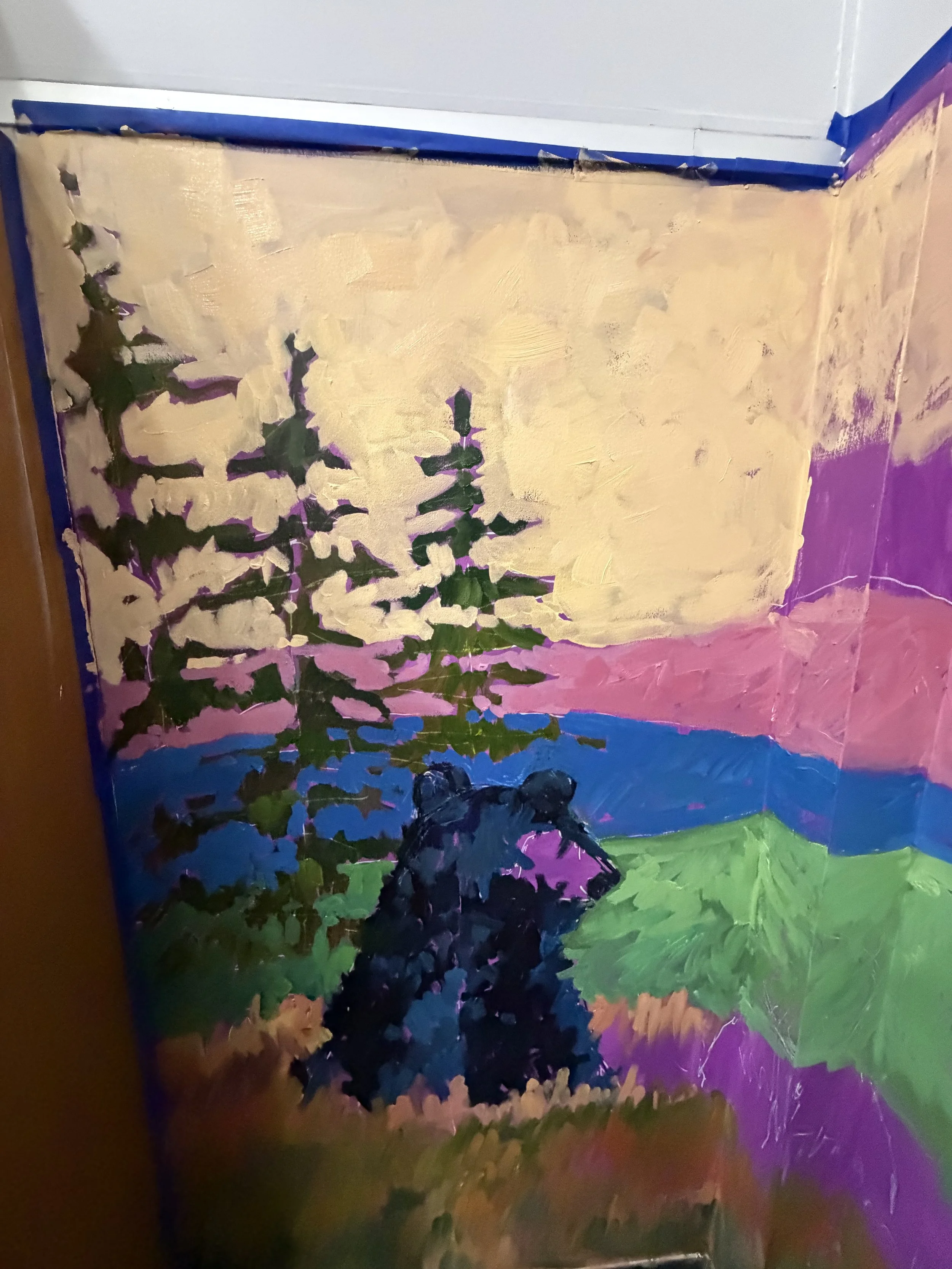
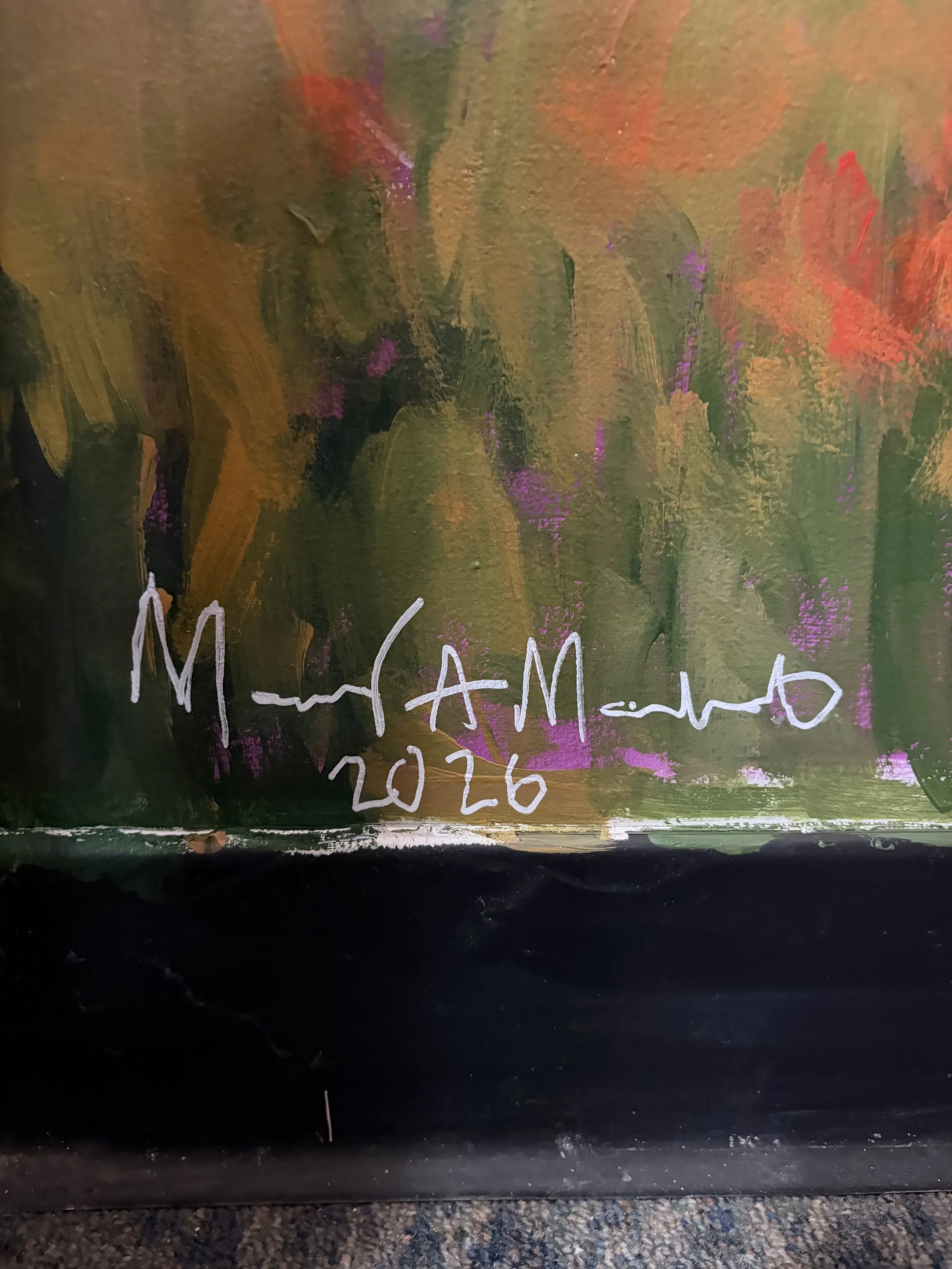
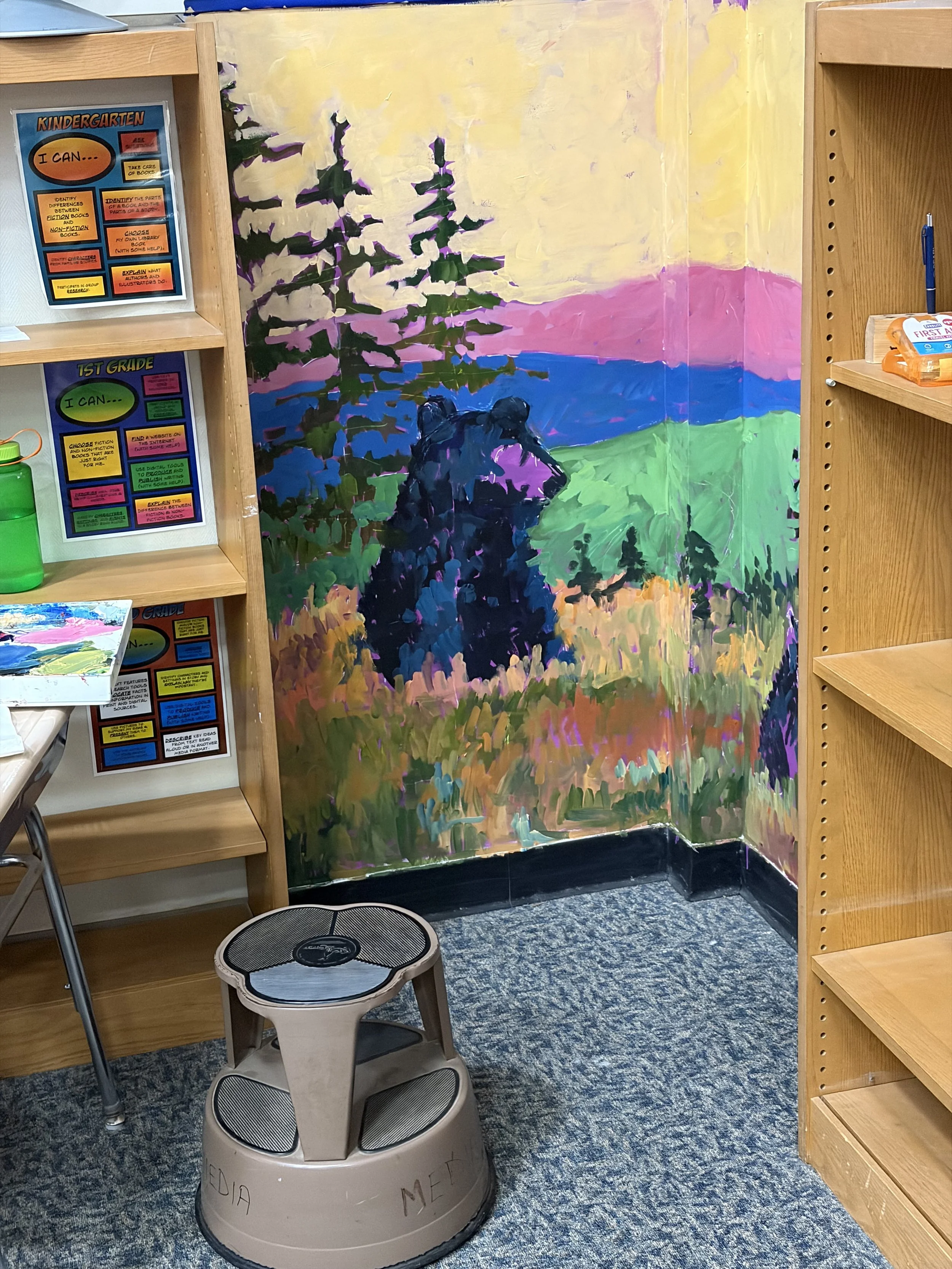
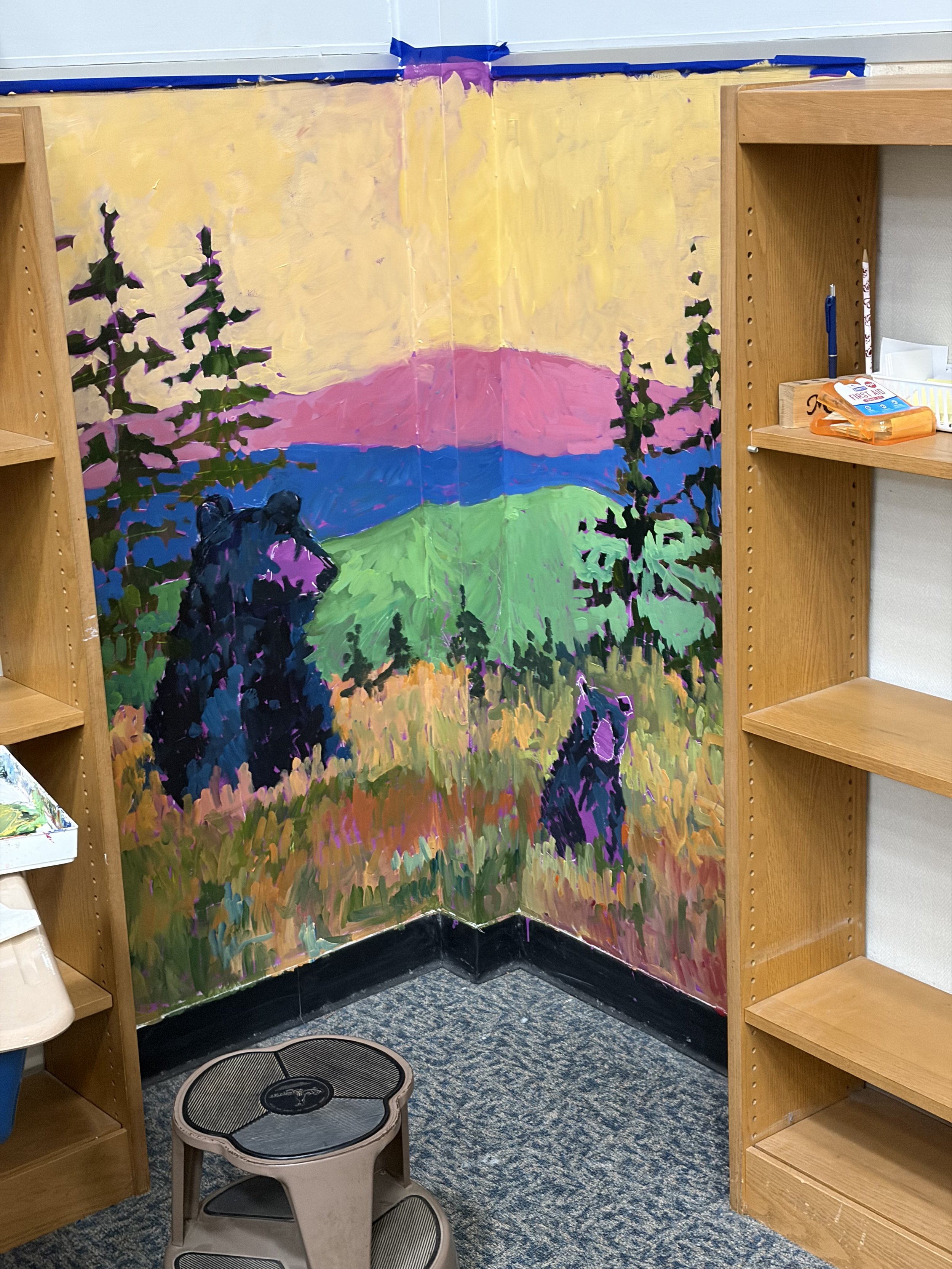
There’s something wild about finally standing in front of a mural that’s been living in your head for months.This whole project started back in February with a simple pencil sketch. Nothing fancy. Just ideas, lines, and trying to figure out how everything would flow together. From there, I moved it over to my iPad and built out a digital rendering in Procreate. That’s usually the stage where things start feeling real for me. You can zoom in, move colors around, test compositions, and slowly see the vision come together before a single drop of paint ever touches the wall.And then… life happened.Honestly, these last few months have been an absolute blur in the best way possible.I had my show in Valdese, then the art residency through the North Carolina Museum of Art that carried into mid-April. Right after that came the Southport Plein Air Festival, plus a couple of plein air workshops squeezed in between everything else. Then came my nephew’s wedding up in Virginia, followed by a reception in South Carolina. It was basically nonstop movement for months. Go, go, go.Eventually sleep caught up with me.But through all of that, this mural stayed in the back of my mind waiting for its moment.Day 1 at the school was all prep work. Not glamorous, but honestly one of the most important parts. I taped everything off, covered furniture in plastic, and got the whole space protected before paint started flying around. After that, I rolled on an interior paint-and-primer combo in this really rich violet plum color to act as the underpainting. I love using bold base colors because even if little pieces peek through later, it gives the mural extra depth and energy.Once the wall was toned, I started sketching everything out using a paint pen. That’s always the moment where the nerves and excitement hit at the same time. There’s no undo button on a wall.Day 2 was all about blocking everything in. Big shapes. Big color relationships. Just getting the entire mural established and making sure the composition flowed the way I imagined it would months ago sitting with that original sketch.Then Day 3 came around and it was time for the details. Tightening edges, adjusting color here and there, adding little touches throughout the painting that make it feel alive. Those final passes are always my favorite because the mural finally starts talking back to you a little bit.And finally… signing it.That moment never gets old.Now I’m letting everything fully dry before I go back next week to seal it up and protect it for the years ahead.More than anything, I’m just grateful. Grateful for the opportunity, grateful for the trust, and grateful that after months of chaos, travel, painting, events, workshops, weddings, and exhaustion… this mural finally made its way onto the wall exactly with it was supposed to.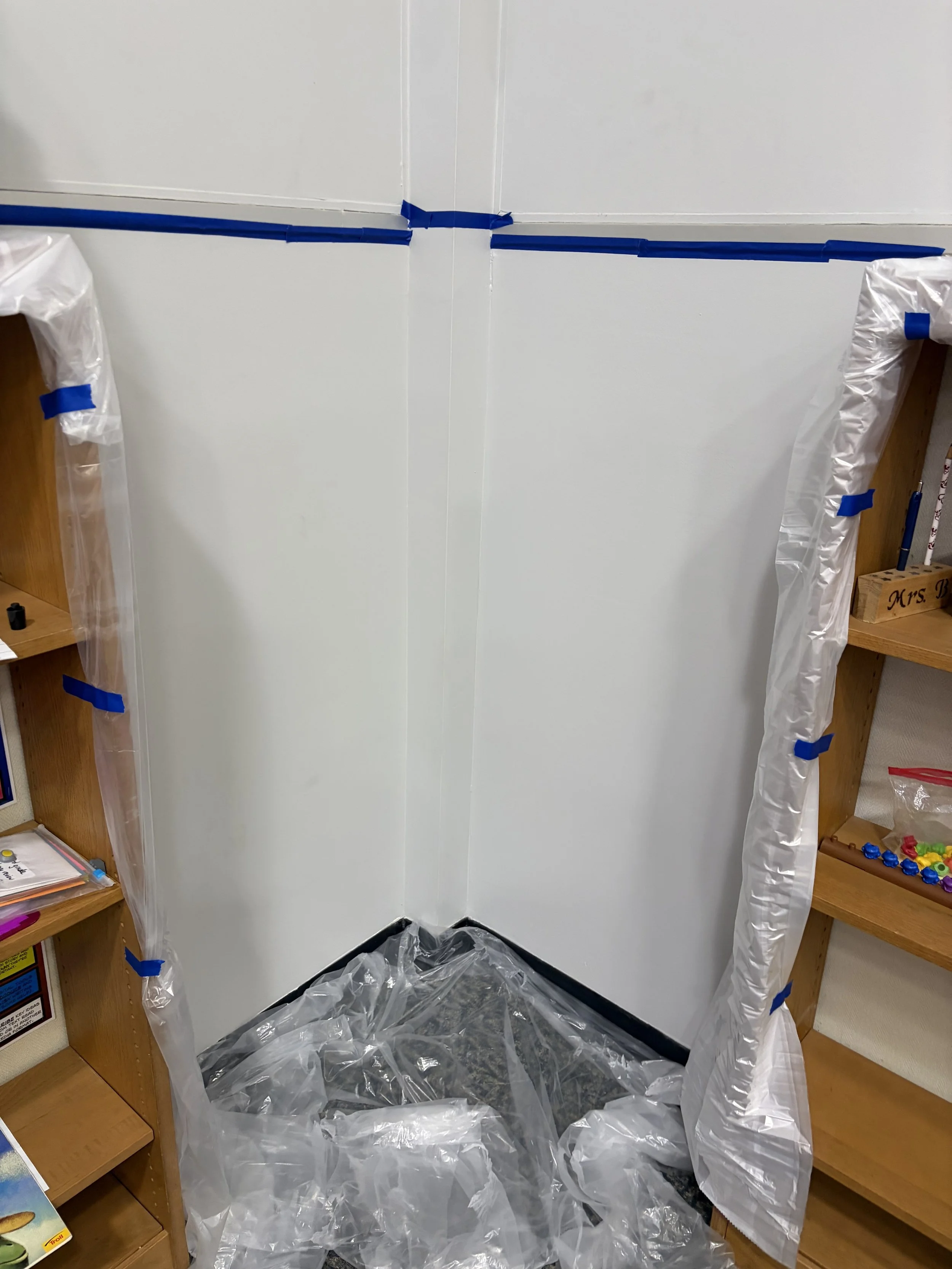
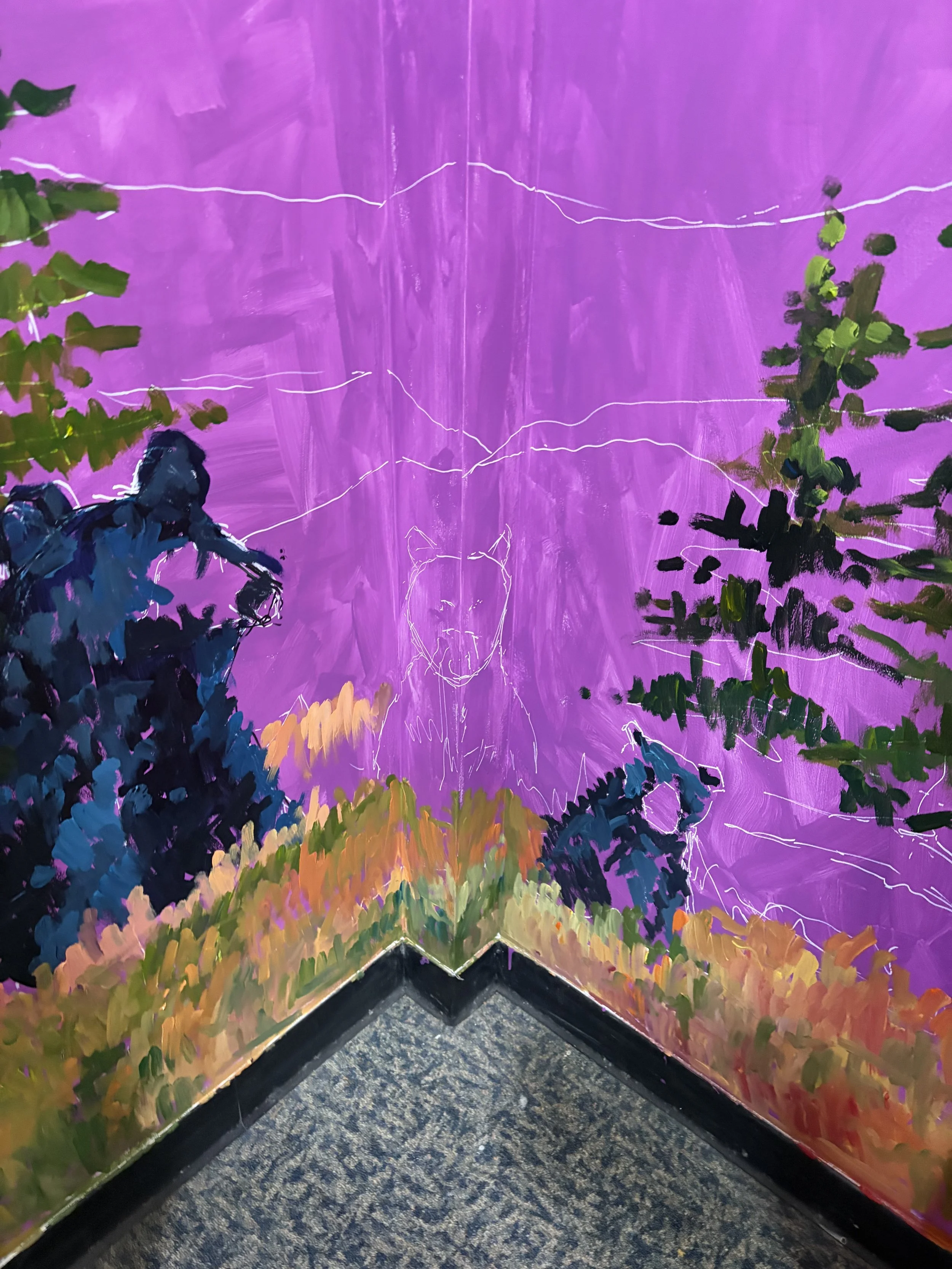
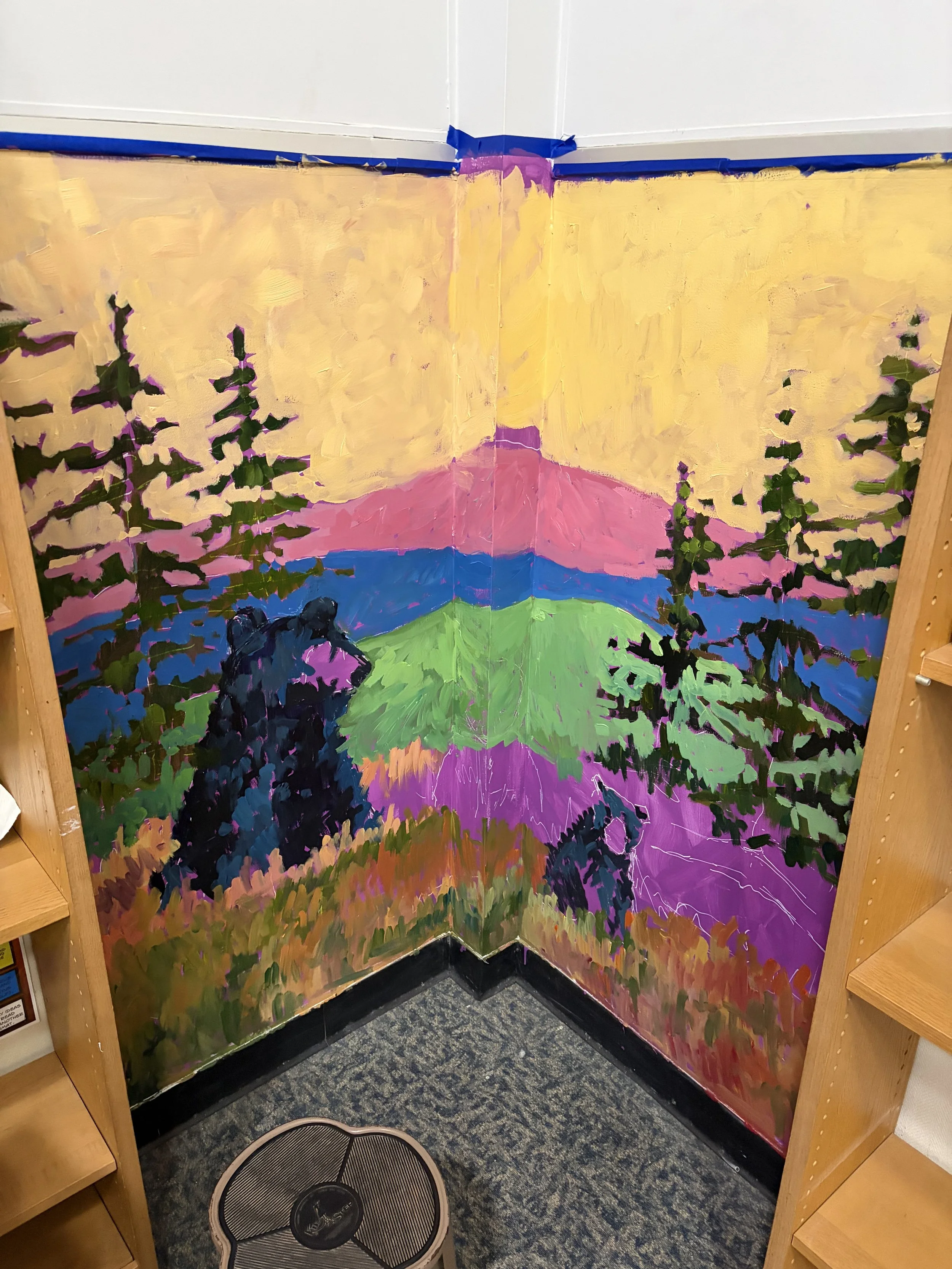
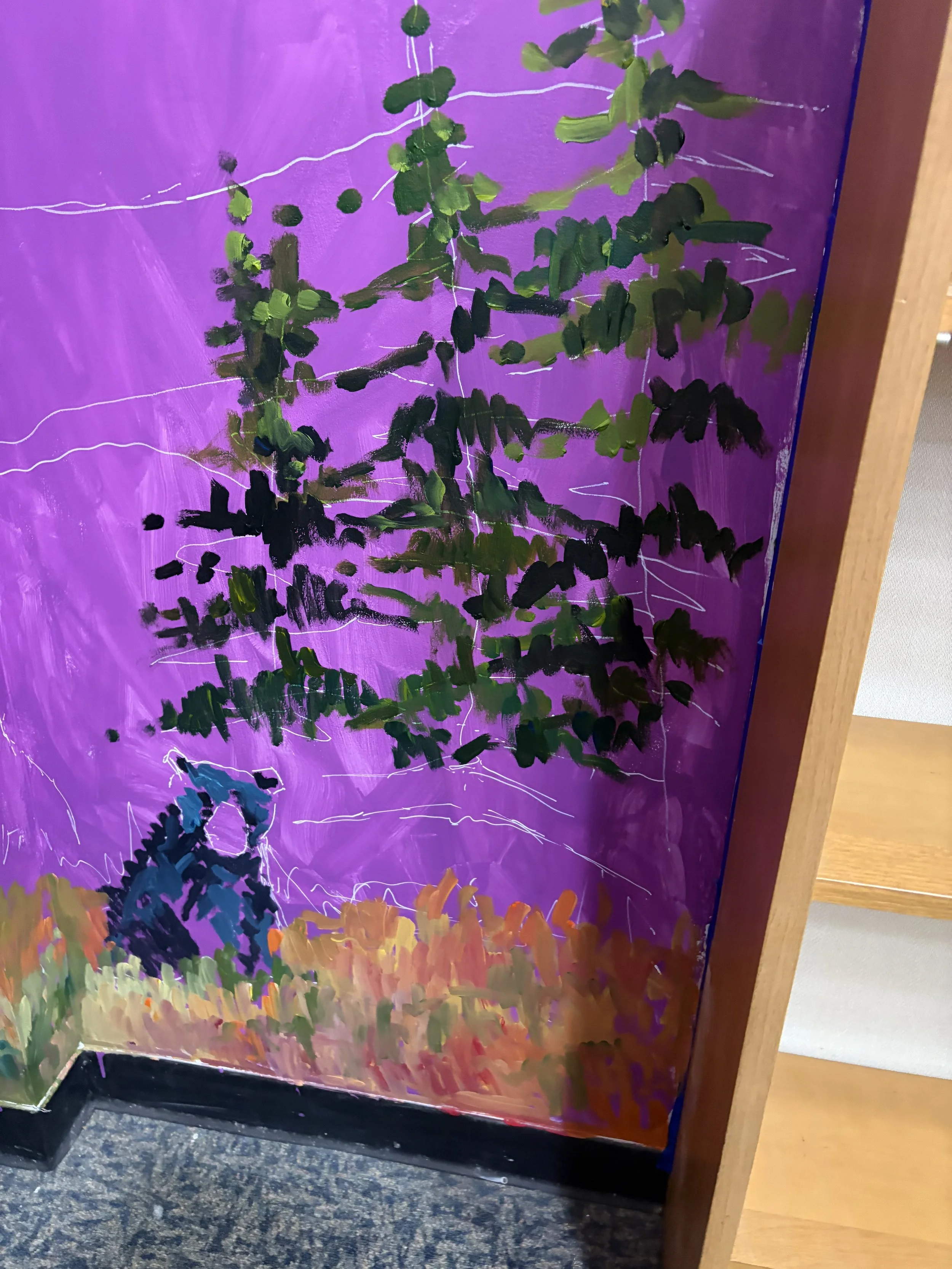
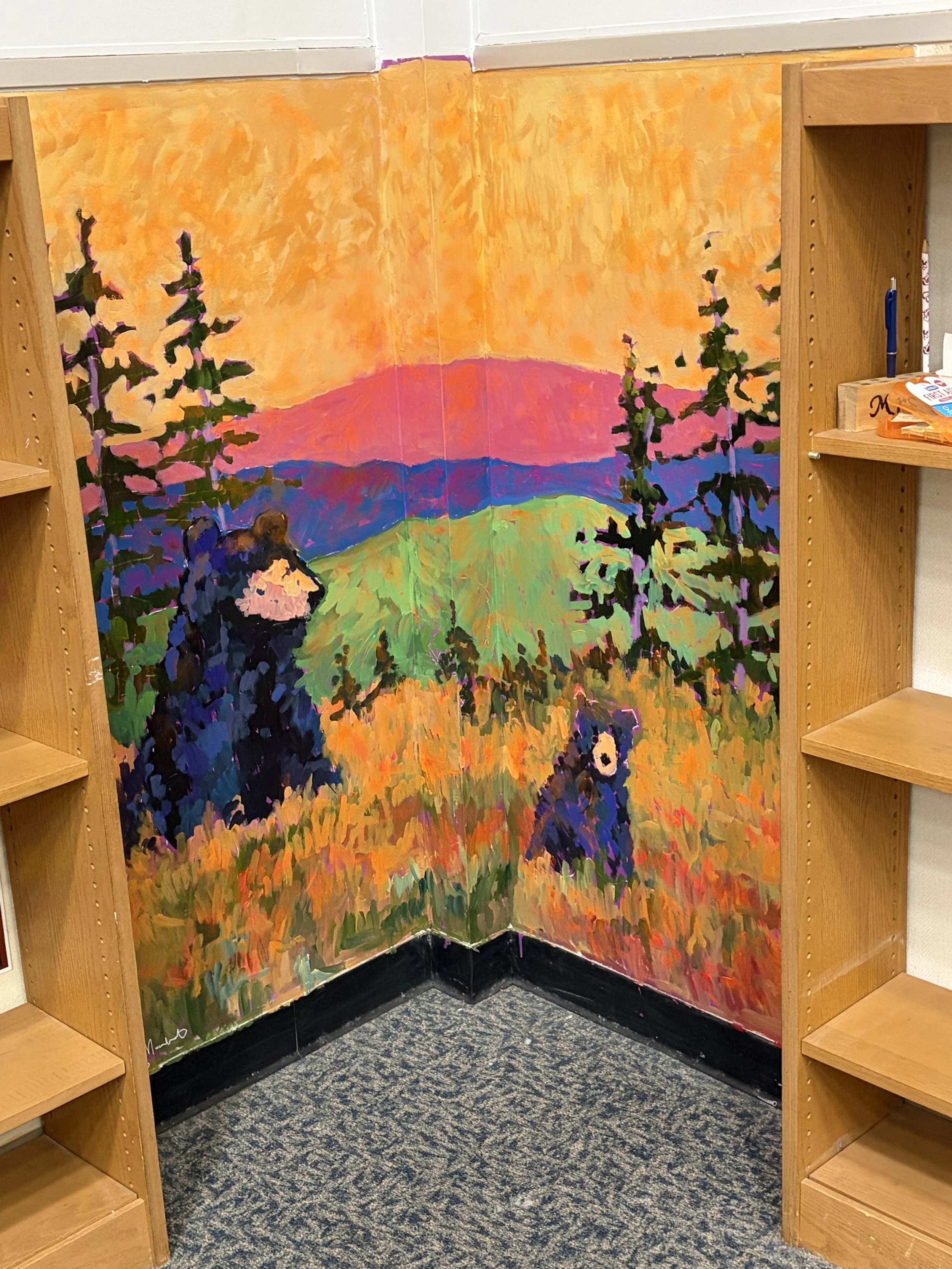
How I got started in plein air.
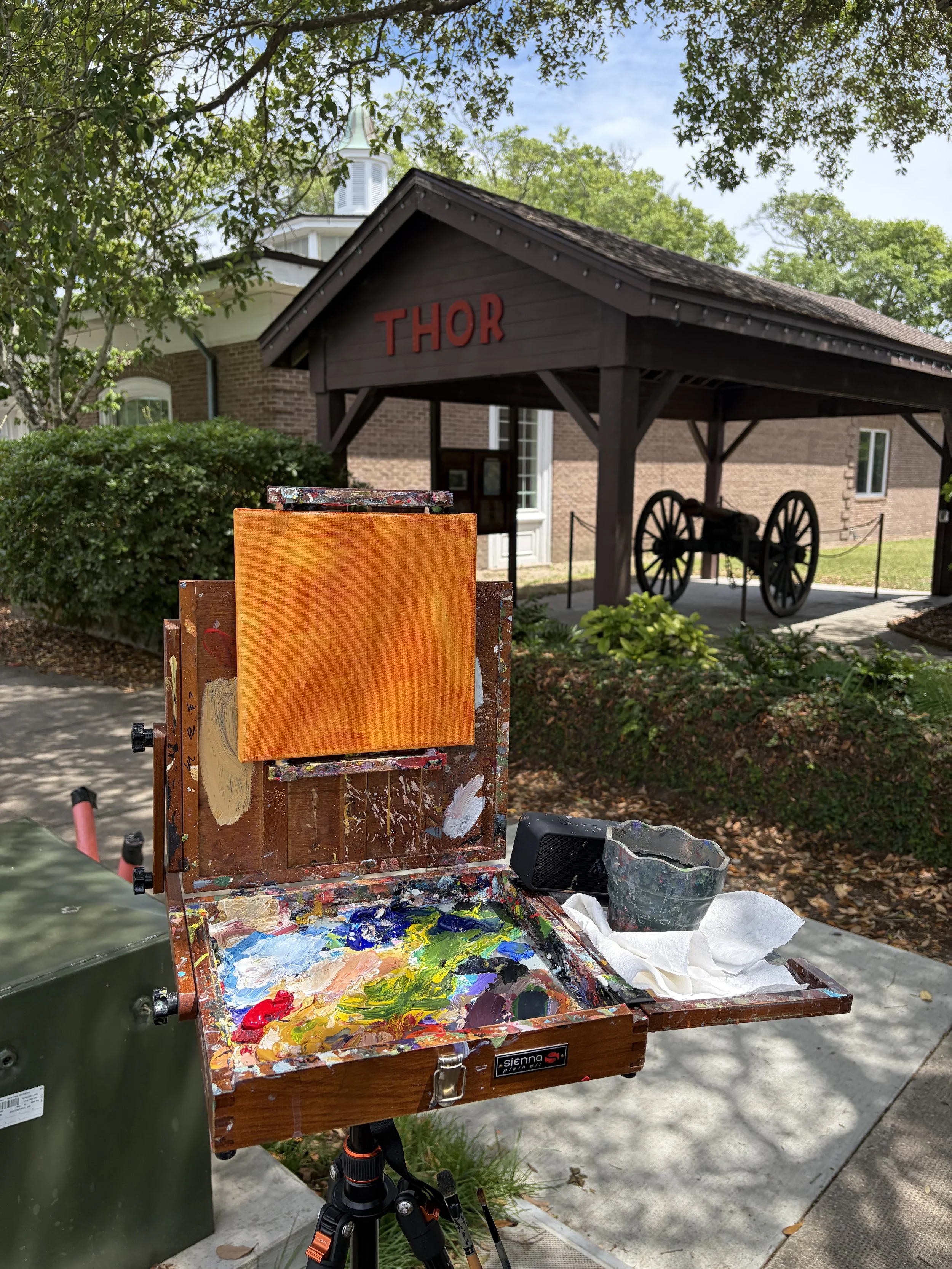
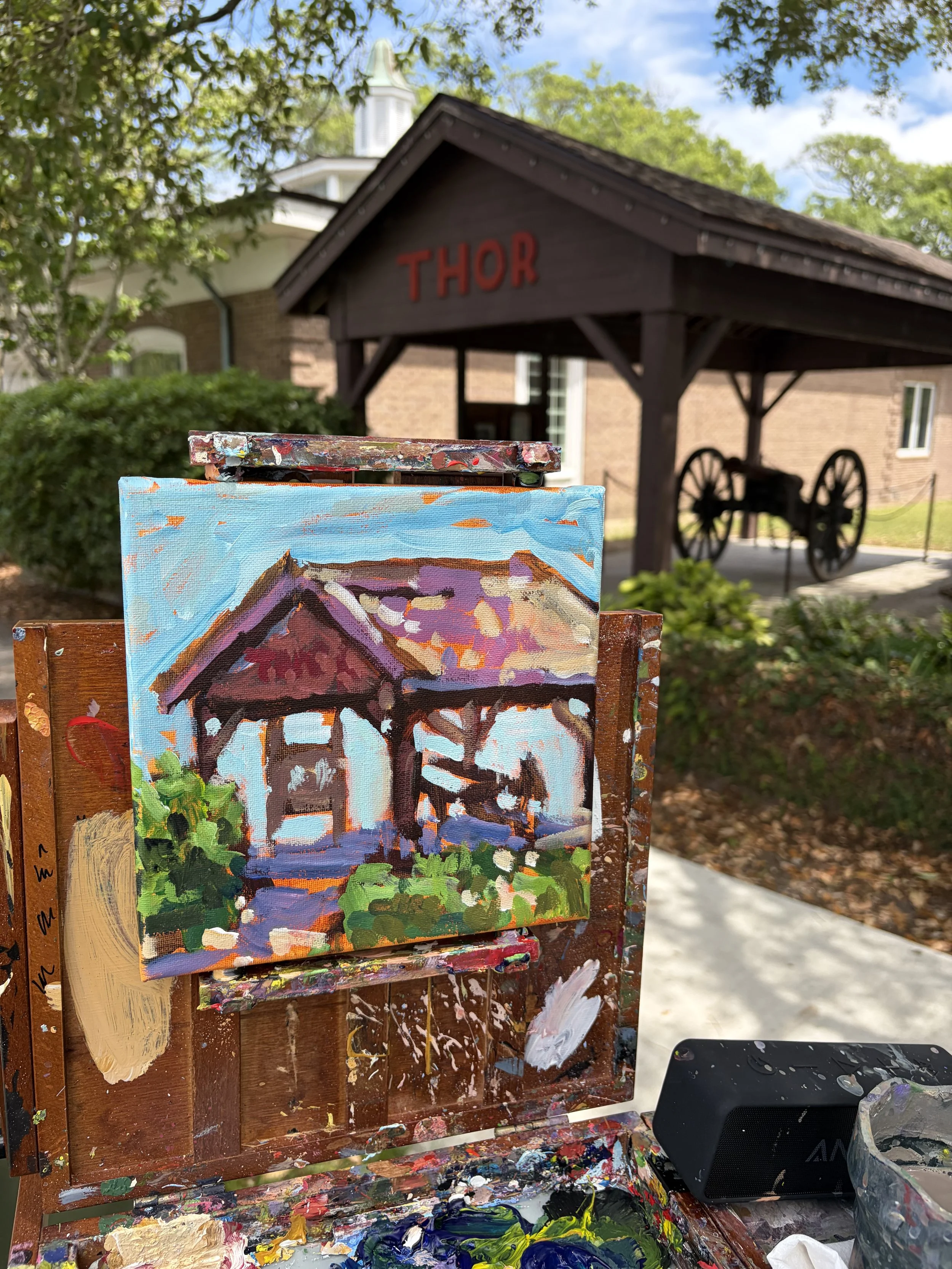
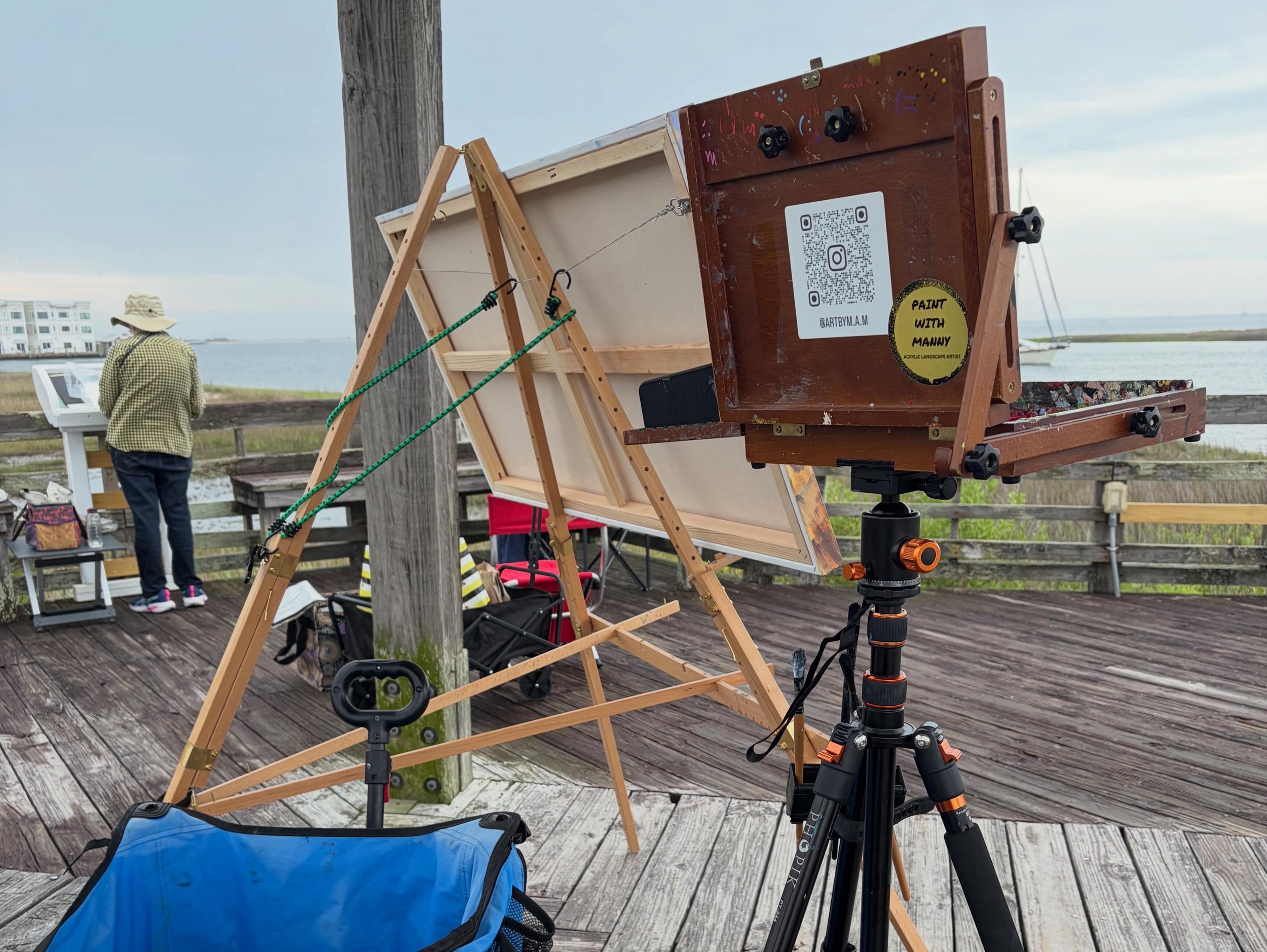
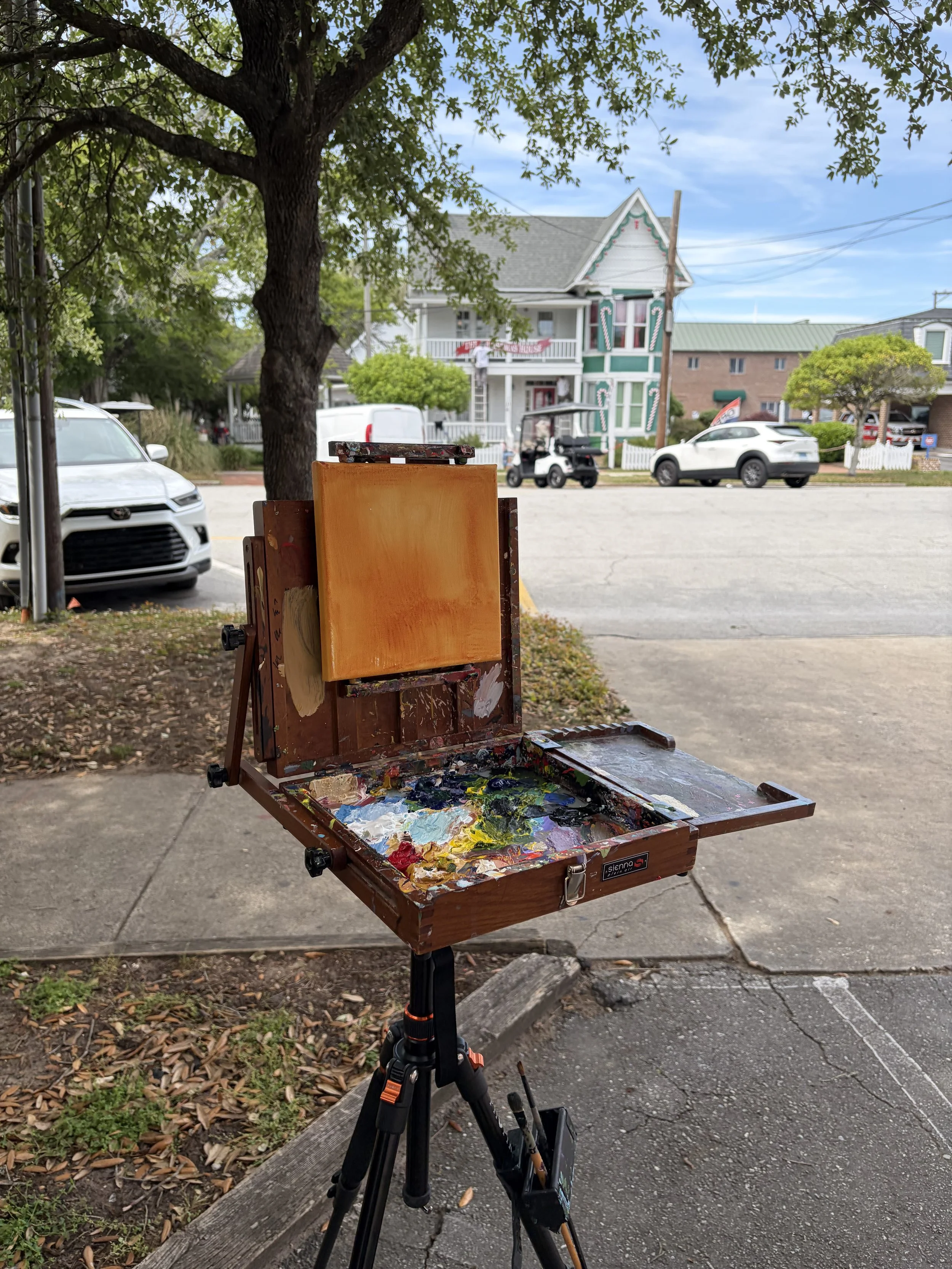
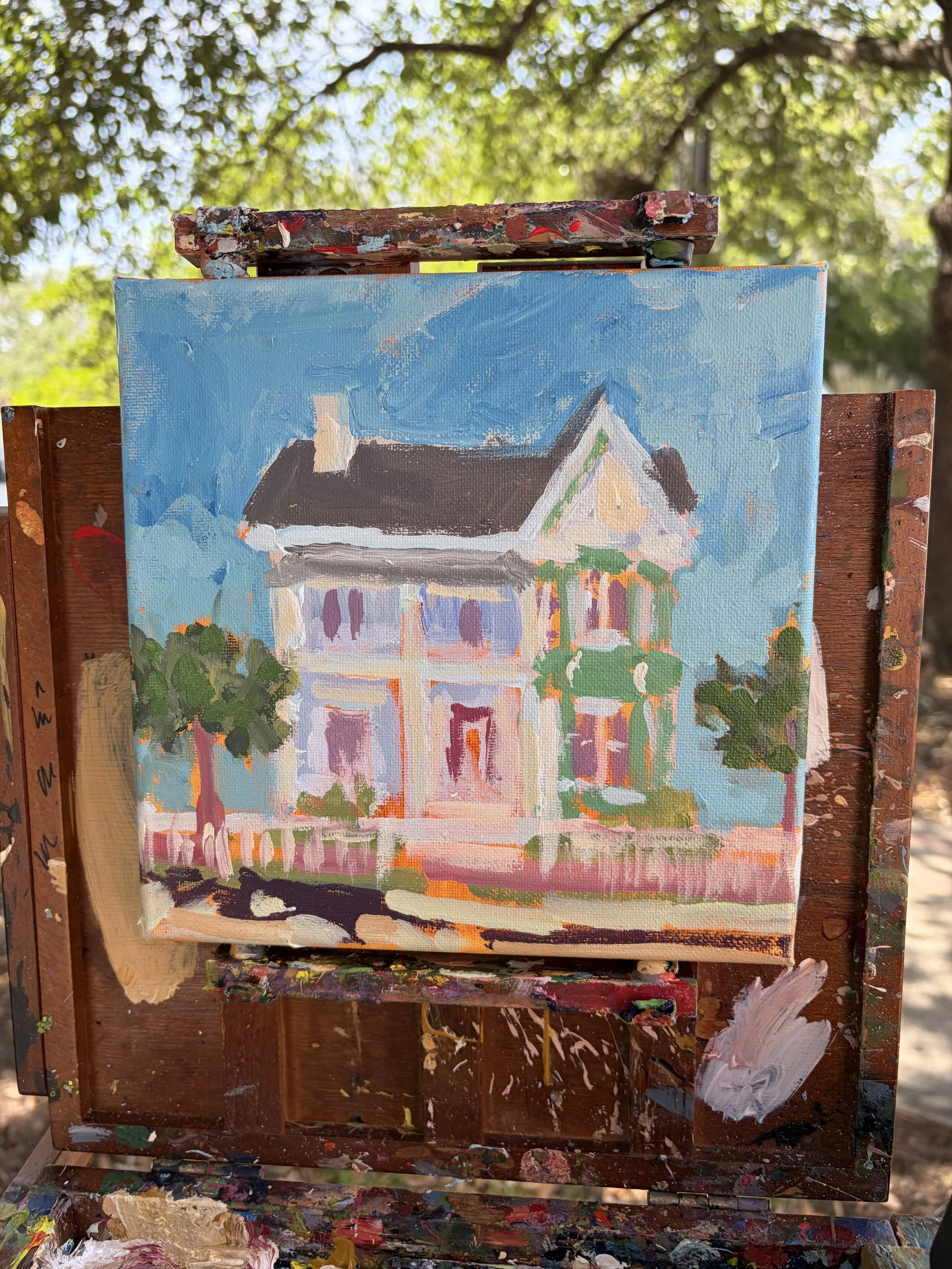
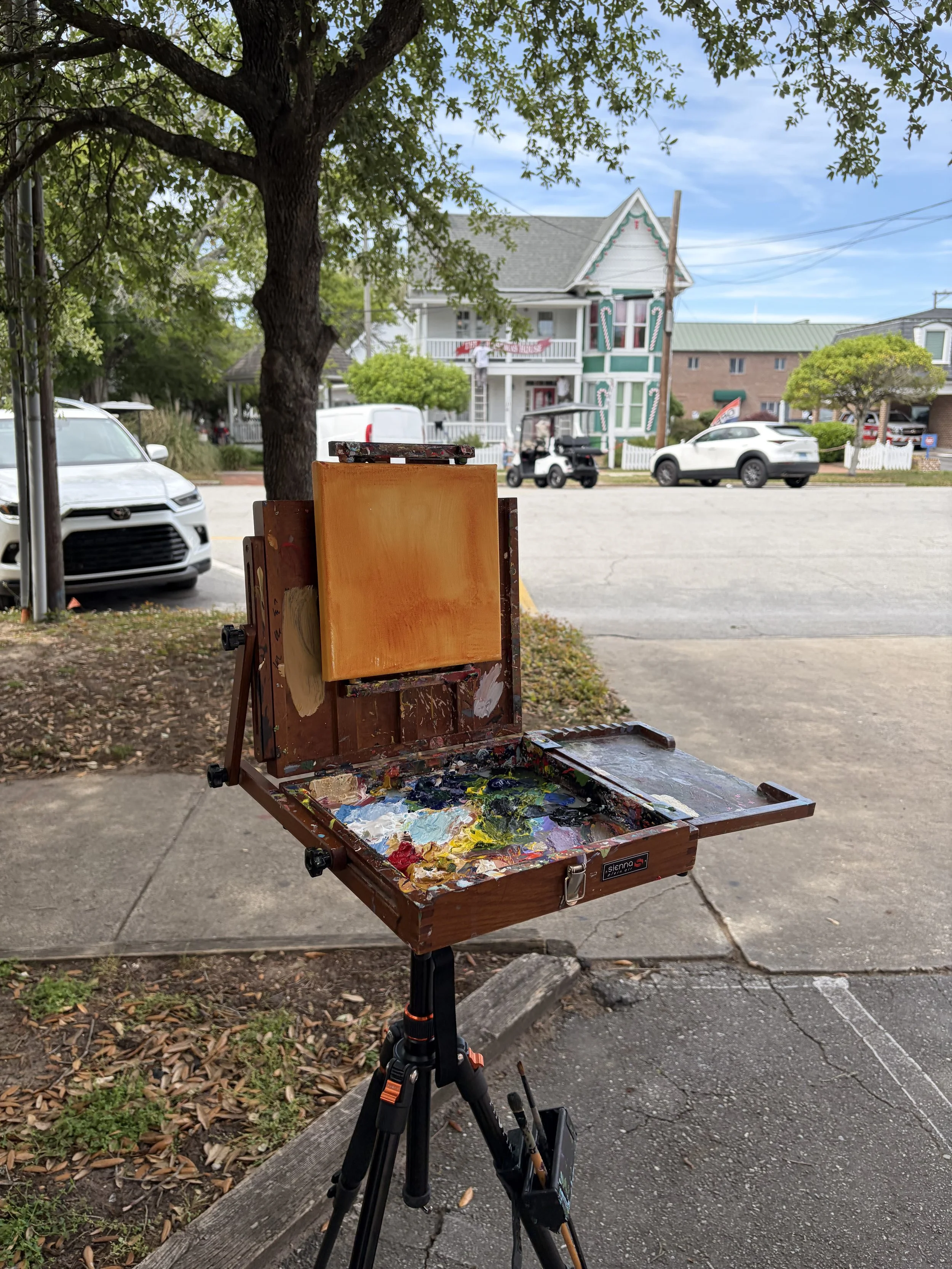
How I Got Started in Plein Air Painting (And My Slight Gear Problem)Before I get into how I started plein air painting, there’s something you should know about me.I love travel bags.Not a casual appreciation. I mean a deep, borderline concerning admiration for them. The compartments, the zippers, the hidden pockets, the clever organization systems. I love it all. If a bag has a place for everything and everything has a place… I’m probably already adding it to the cart.And most importantly—I refuse to check luggage. Checking a bag costs money, takes time, and there’s always a chance your bag ends up in a completely different city living its best life without you. Carry-on only. Always.So naturally, this love for organized gear somehow blended perfectly with painting.About seven years ago I was doing what many artists do late at night—scrolling through YouTube instead of sleeping. By that point I had already made up my mind that I wanted to pursue art full time. I was watching anything and everything related to painting when I stumbled onto the YouTube channel by Michael Chamberlain.In one of his videos he started talking about his plein air setup—his gear, his pochade box, how everything packed neatly together and how mobile it all was.And that was it.I didn’t even finish the video before thinking:“Yep… I’m doing this.”Because now we had two things happening at the same time:Painting outdoors.Cool gear that packs neatly into organized compartments.
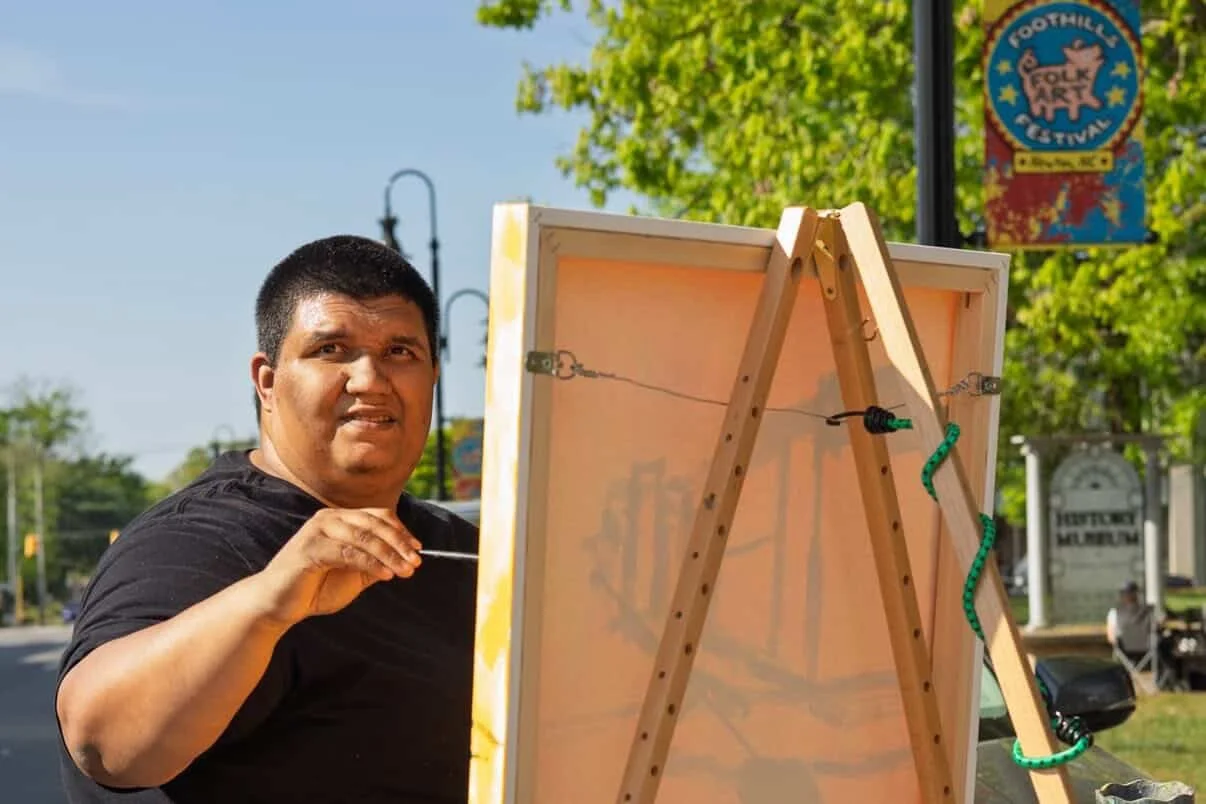
I was SOLD.So I went and bought my first setup: a Sienna Pochade Box and a basic camera tripod from Amazon. Nothing fancy. Just enough to get started.I took it outside, set everything up, probably fiddled with it for way too long trying to make it “perfect”… and painted my first plein air piece.And I’ve been hooked ever since.There’s something about painting outdoors that just hits differently. The light is changing every few minutes, the wind is doing whatever it wants, strangers walk by and ask what you’re doing, and occasionally you’re fighting bugs, weather, or gravity.It’s chaotic.It’s unpredictable.And it’s awesome.Now here’s where things start to get a little… questionable. Because just like travel bags, once you start looking into plein air gear you realize there are a lot of options.Lightweight boxes.Heavy-duty boxes.Boxes with compartments.Boxes for tiny paintings.Boxes for big paintings.Next thing you know you’re researching things like “optimal pochade box hinge angles” at midnight.Let’s just say things escalated. At this point I probably own 10+ pochade boxes.Yes… ten.No… I will not be answering further questions about that.But the funny thing is, I still own that very first Sienna Pochade Box… and I still use it all the time. Now here’s the part I really want people to hear if they’re thinking about getting into plein air painting:You do NOT need expensive gear to do this.You don’t need a $500 travel bag to carry your supplies.You don’t need expensive brushes.You don’t need the latest gear, the newest setup, or whatever fancy thing artists are posting online.A regular backpack from Amazon or Walmart works perfectly fine. You can get great brush bundle packs from Amazon or even at Michaels. Honestly, the most expensive thing in your setup will probably be your painting box—and even that can be something simple when you start.Start small. Save up. Build your kit over time.The real goal of plein air painting isn’t having the perfect gear—it’s learning.Paint to study composition.Paint to understand value.Paint to experiment with color palettes.Paint to learn how light actually behaves in the real world.And here’s another important thing:Most plein air paintings are not masterpieces.Some of them are… how do I say this politely… learning experiences.That’s normal. You’re outside. The light changes every five minutes. Sometimes the wind tries to take your painting home with it. Sometimes a bug lands directly in your fresh paint and becomes part of the composition.It happens. Mistakes are part of the process.The real takeaway is simple: have fun and paint for you.
Gallery vs. Studio Pricing (And What I’ve Learned About Pricing My Art)
One question that comes up a lot when people see my work is why the price of a painting might be different in a gallery compared to buying directly from me on my website or in person. It’s a fair question, and honestly, the answer is pretty simple.

When a painting is shown in a gallery, the gallery takes a commission on the sale. Most galleries take anywhere from 40% to 50% of the final price. That’s pretty standard in the art world. They’re providing the space, marketing the work, bringing collectors through the door, and representing the artist. All of that takes time, energy, and resources.

Because of that, the price of the painting has to be set higher in the gallery so that both the gallery and the artist can be paid fairly.

On top of that, there are also taxes involved with gallery sales. When a painting sells through a gallery, there are additional layers of accounting and reporting that I have to factor in as a working artist. By the time everything is said and done, the portion that actually reaches me is often much smaller than people expect.

For years, I struggled with pricing my work. I raised my prices, lowered my prices, and adjusted them constantly trying to compete with other artists. It’s easy to look around and start comparing yourself—what someone else charges, what sells, what doesn’t. But over time I realized that chasing other artists’ prices isn’t the answer.

Eventually I landed on a pricing structure that helps keep things consistent: I price my paintings by the square inch. That means the size of the painting determines the base price. It’s a simple, transparent way to price artwork and it helps keep things fair and consistent across different sizes.

That’s also one of the reasons you’ll sometimes notice that my prices are a bit lower when you buy directly from me through my website or when you meet me out painting in the field. When there’s no middle step, I’m able to offer my work at a more accessible price.

And that part is important to me.

I’ve always believed that art shouldn’t feel out of reach. I want my paintings to live in people’s homes, to hang on walls where families gather, where conversations happen, where someone pauses for a moment and feels something when they look at it.

Not everyone walks into a gallery, and not everyone feels comfortable in that space. But art belongs to everyone.

That’s why I love connecting with people directly—whether it’s online, at a plein air event, or when someone stops to watch me paint outside. Those moments remind me that art isn’t just about sales or exhibitions. It’s about sharing something human.

So if you ever notice a price difference between a gallery and my website, now you know why.

Art should be for everyone.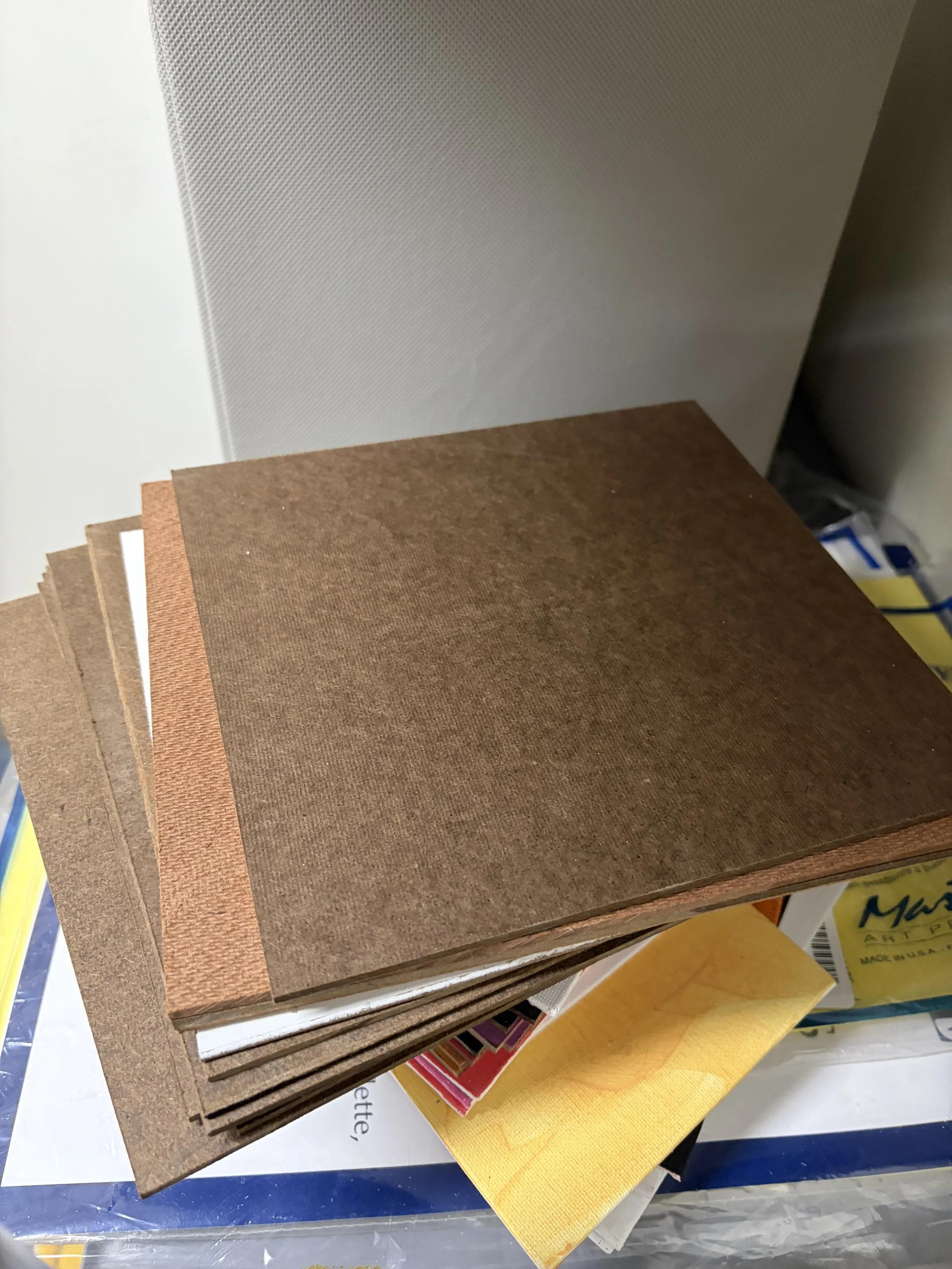
Back to Panels.
Sorry if the plein air festival keeps popping up in the next few entries of this journal. It’s still fresh in my mind, and honestly, a lot of the conversations and experiences from that week are still rattling around in my head.
One of those moments came from a conversation with my friend Truman, a fellow artist. We got to talking about masonite panels and how ridiculously affordable they are compared to buying pre-made panels from art stores. If you’ve been painting long enough, you know the struggle—art supplies add up fast. Canvas, linen, pre-made panels… it’s all beautiful, but it’s also expensive.
That conversation stuck with me.
It got me thinking about the early days when I started my 365-day goal of painting every single day a couple of years ago. Back then, I painted on panels a lot more. There’s something about them that just feels right. The surface is smooth, the brush glides differently, and the sturdiness is something I really miss. No bounce like stretched canvas, no worrying about puncturing it or the wind catching it when you’re out painting.
Right now I’m on a bit of a forced break because of my back, which has been frustrating to say the least. But the upside of stepping back for a minute is that it gives me time to think about what I want my process to look like moving forward.
And I think panels are going to be a big part of that.
Once I’m feeling better, I’m planning on prepping a whole stack of masonite panels—seriously, a ridiculous amount of them. Sand them, seal them, gesso them, the whole process. Then I want to make it a goal to head out and plein air paint using only panels for a while.
Here’s the idea: treat those panel paintings like studies. Quick, direct, honest paintings from life. If one of them really sings—if there’s something special about it—then I’ll take that painting and turn it into a larger piece later on canvas.
It feels like a simple system, but also a really freeing one.
Plein air has a way of stripping things down to the essentials anyway. You’re chasing light, atmosphere, color, and time. Panels seem like the perfect partner for that kind of work—durable, lightweight, and ready to take a beating from the elements.
So yeah… this idea has been sitting in my head ever since that conversation.
Thanks Truman for the inspiration, man. Sometimes all it takes is a simple artist-to-artist conversation to spark a whole new direction.
Now I just need my back to cooperate so I can get back out there and start cranking through a mountain of panels.
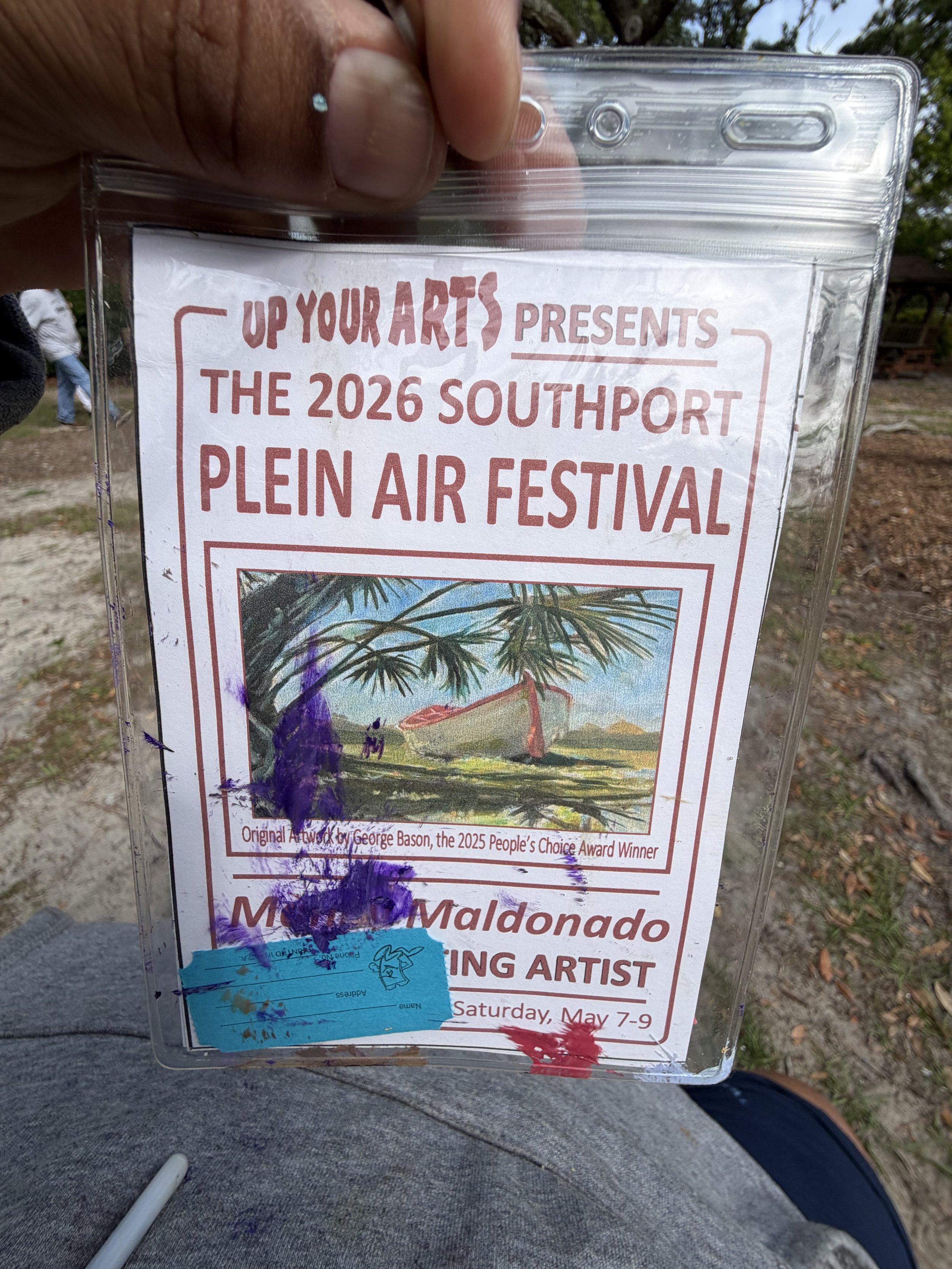
Southport, NC
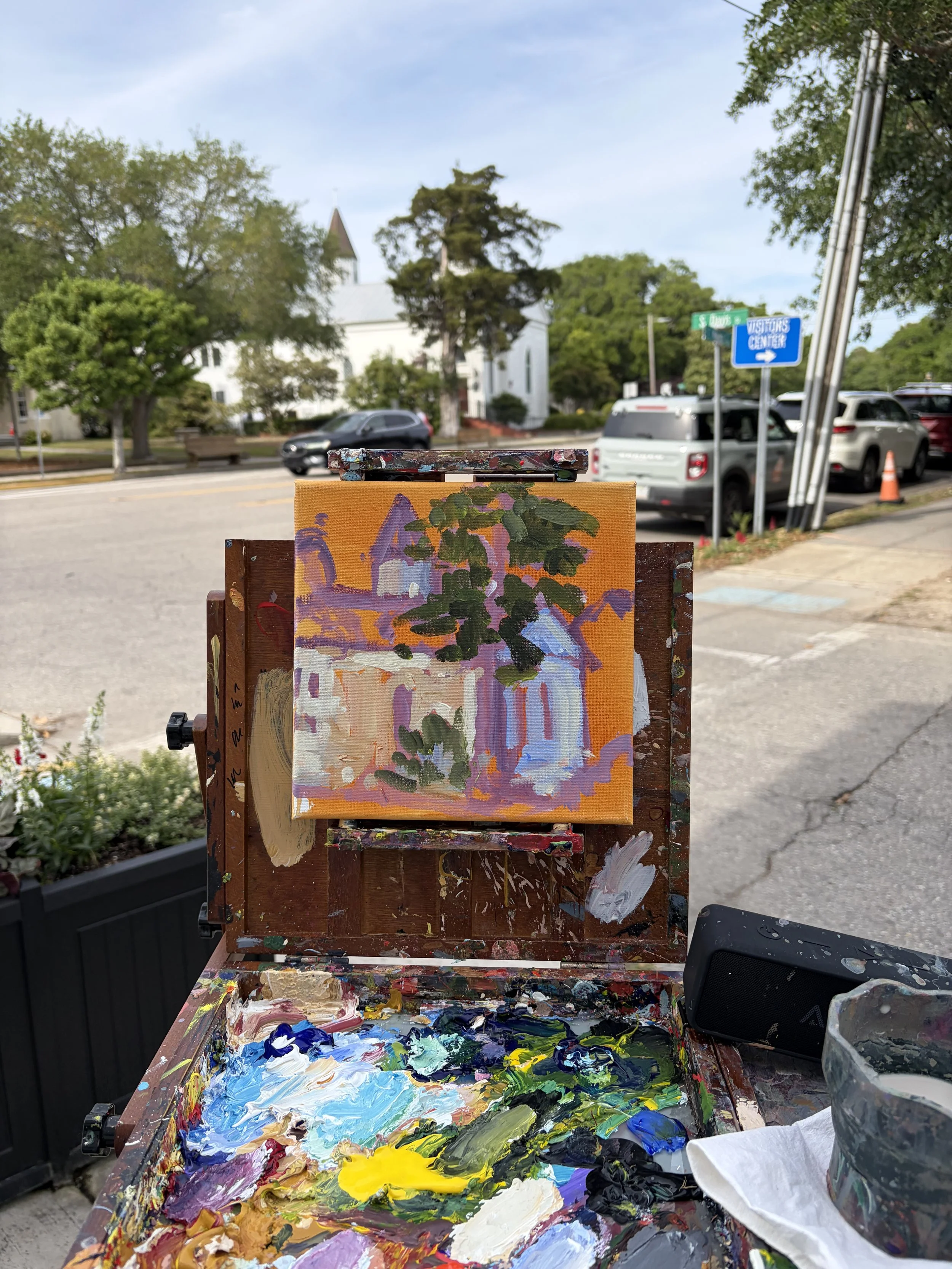
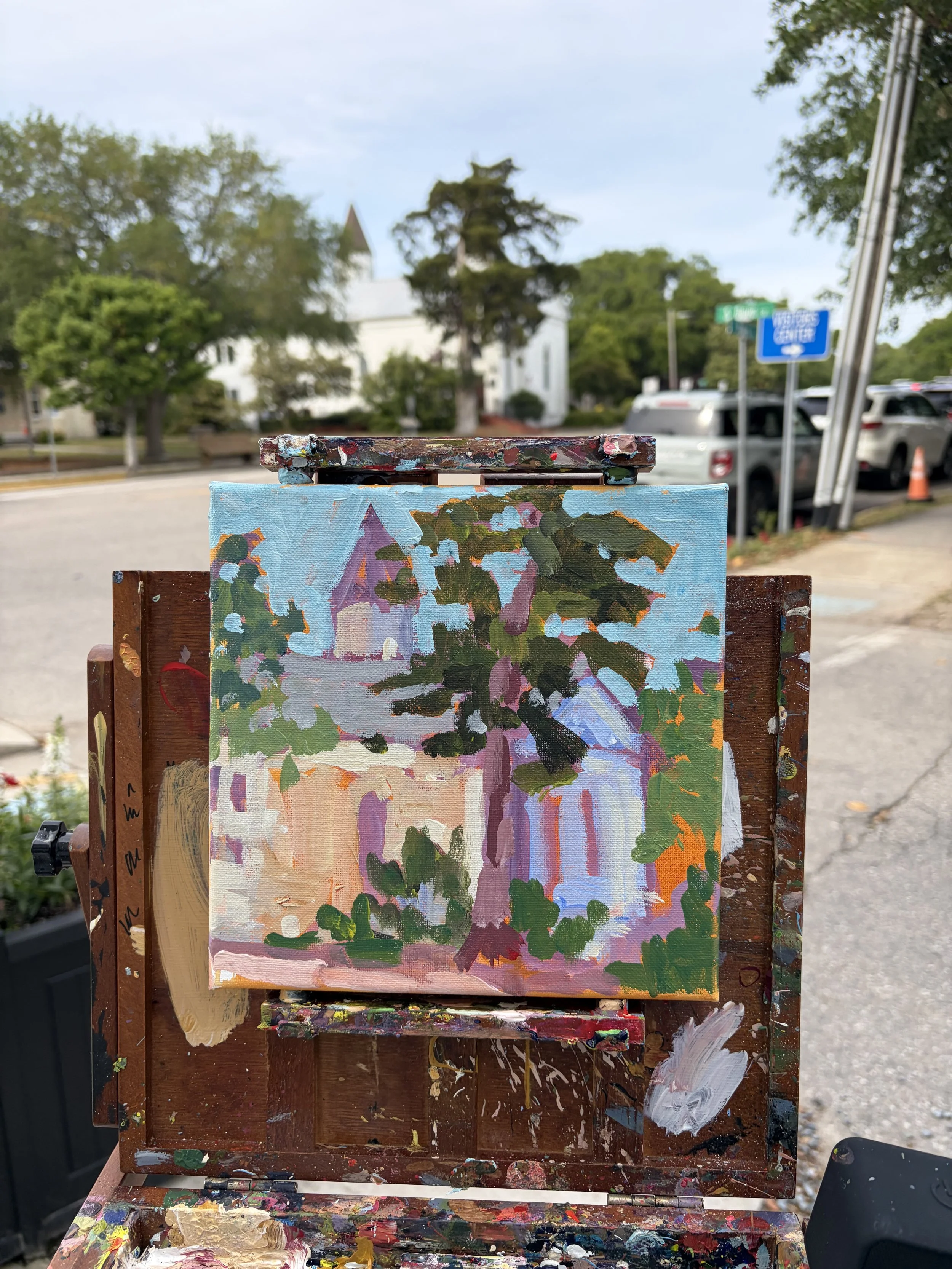
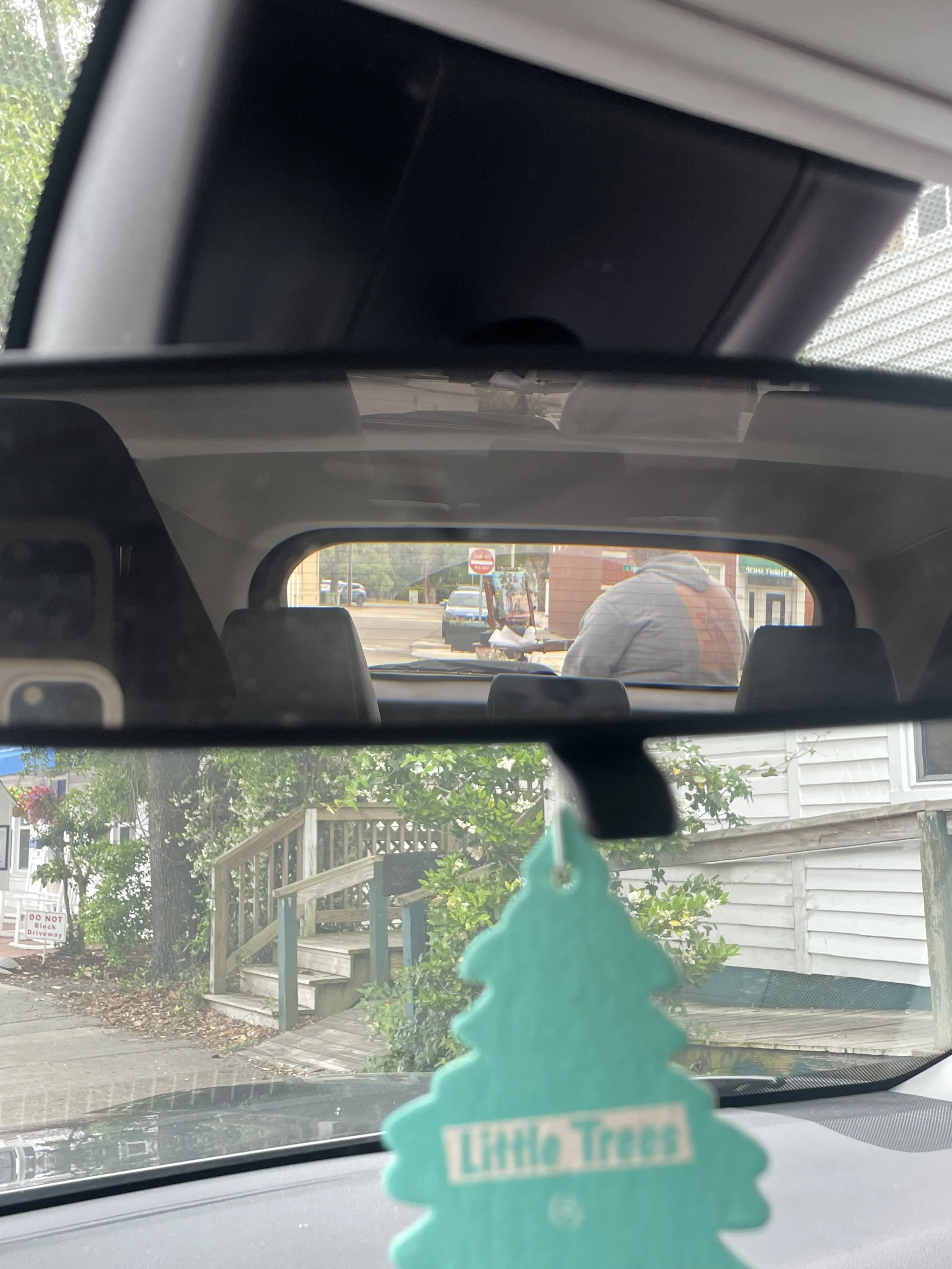
Plein Air, Persistence, and Perspective: My Southport Experience.
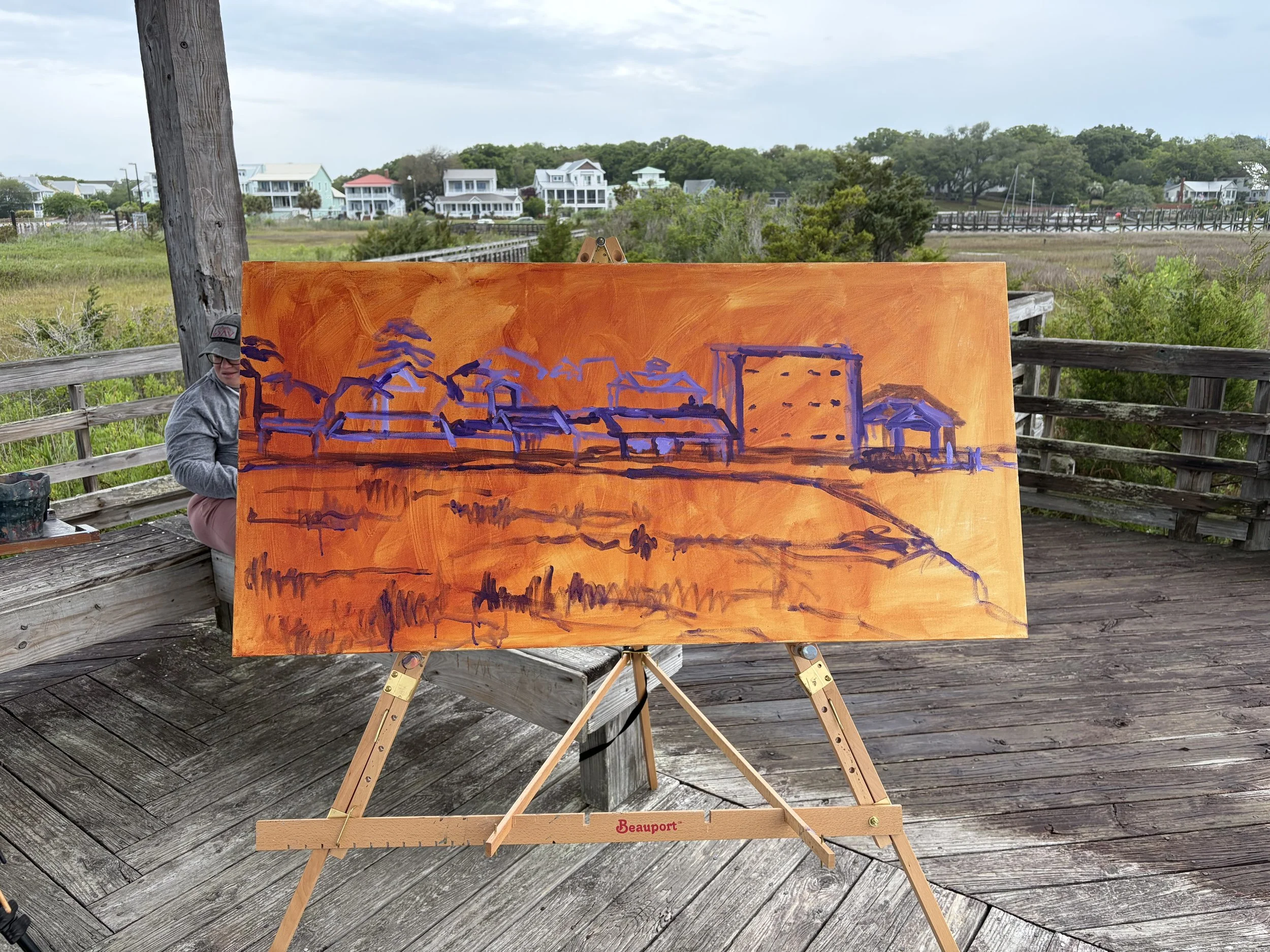
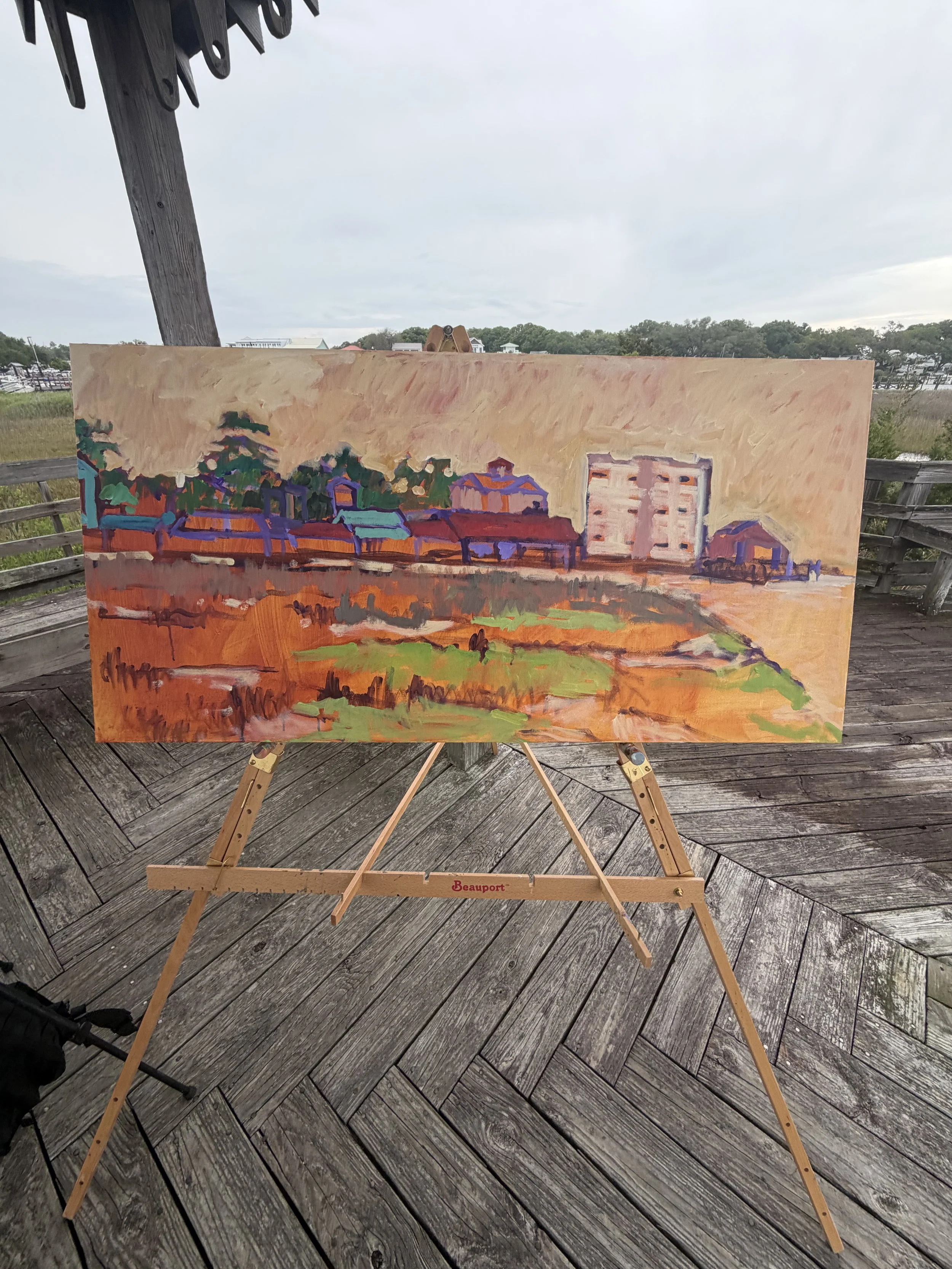
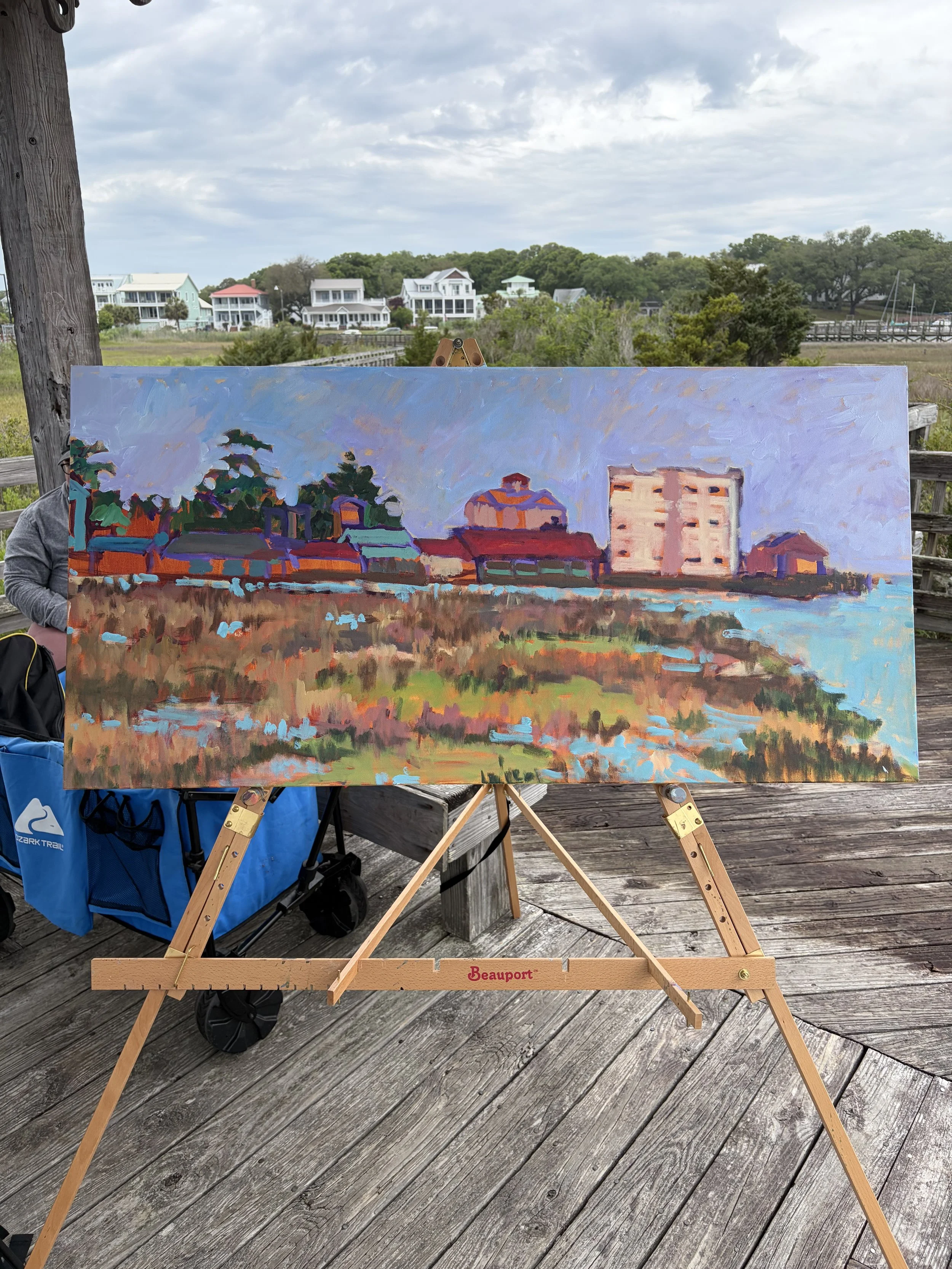
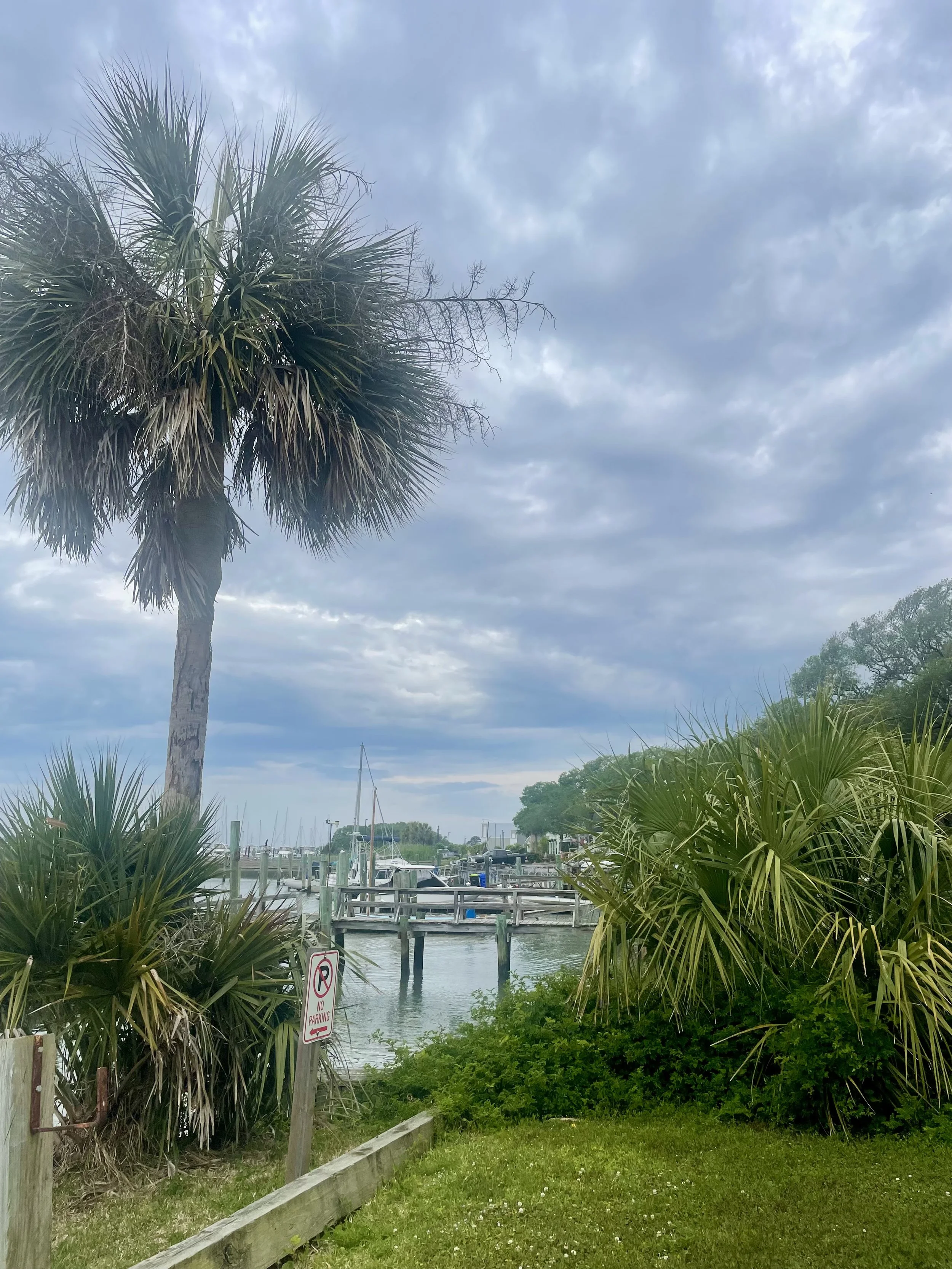
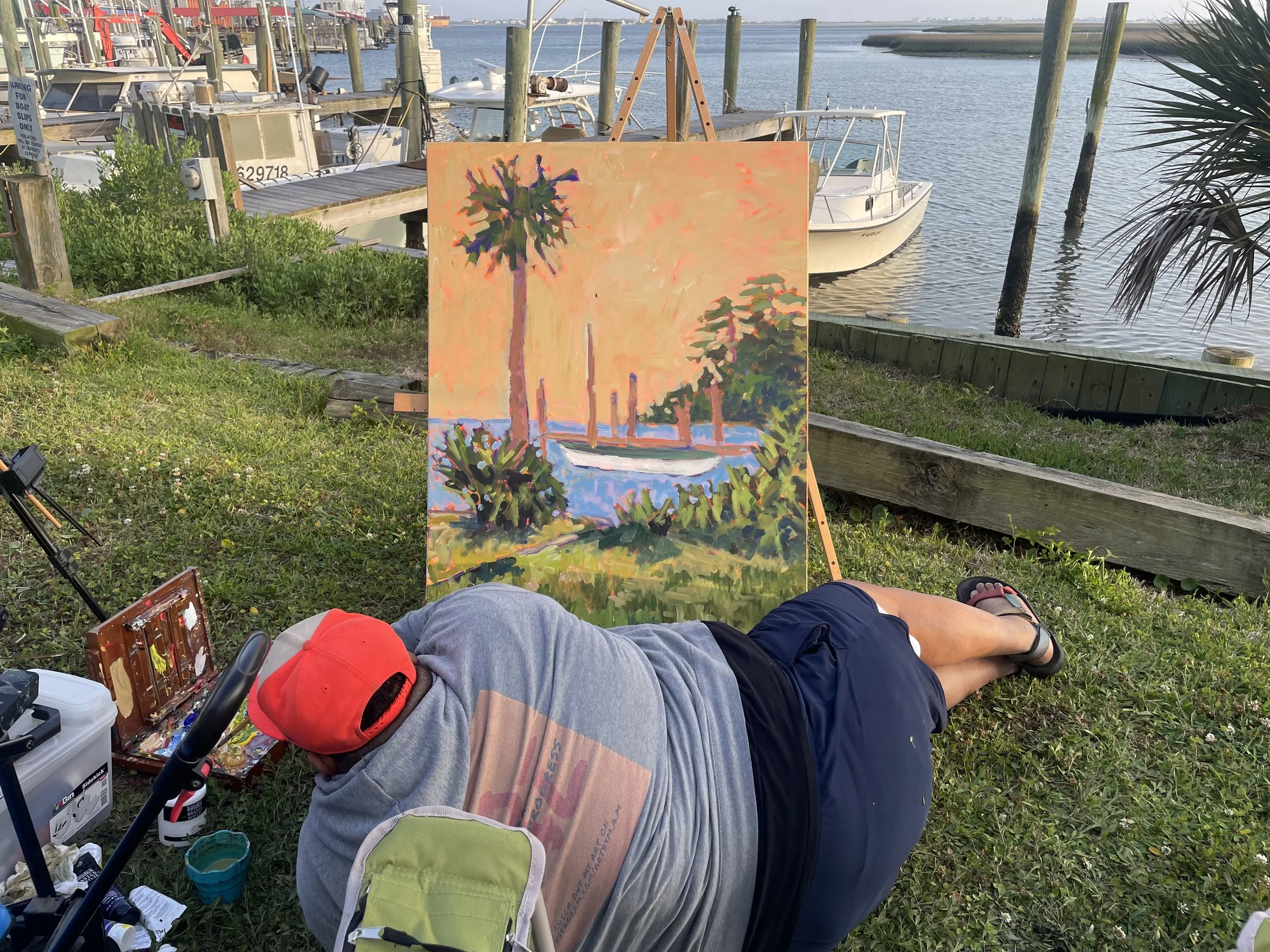
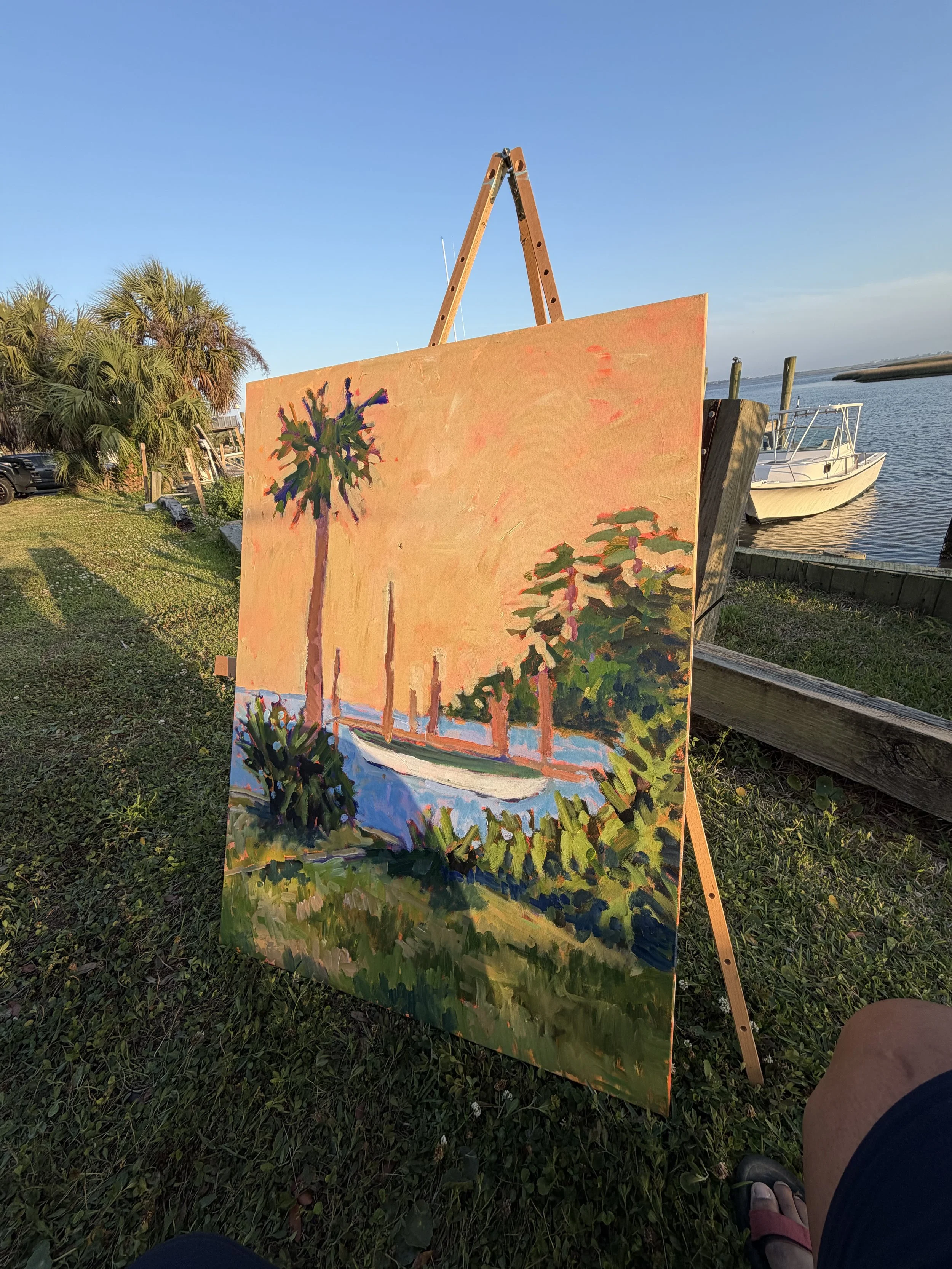
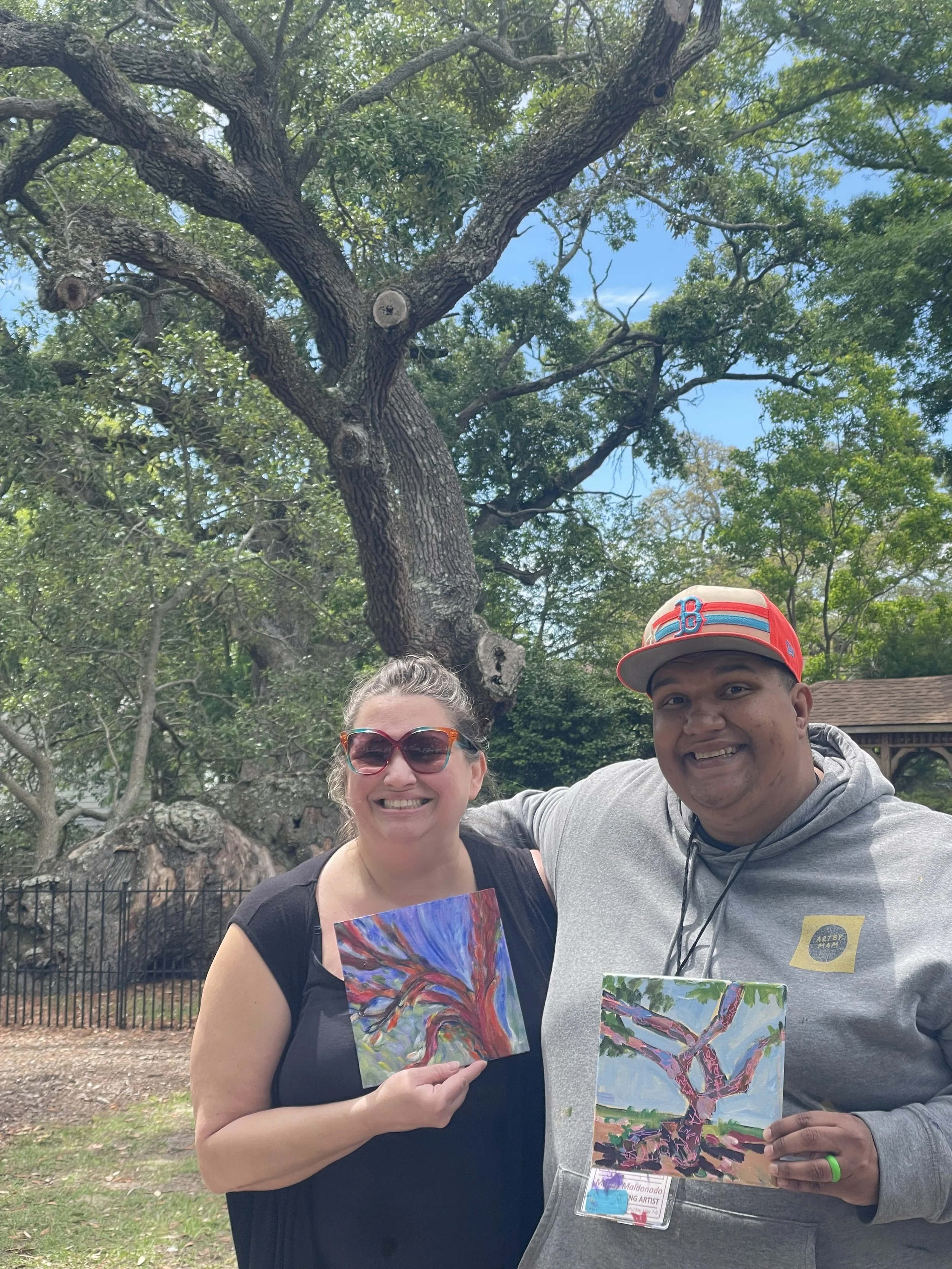
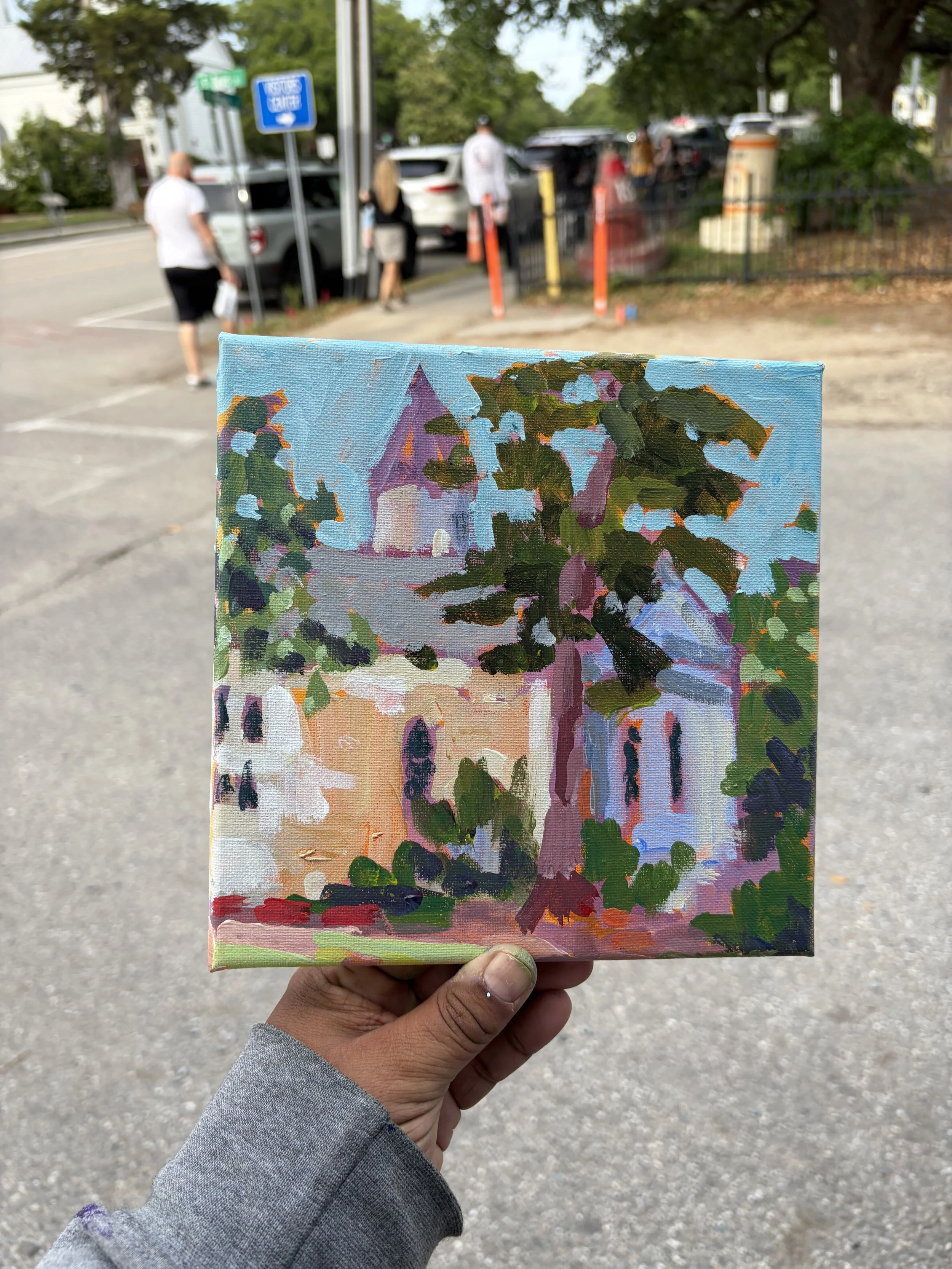
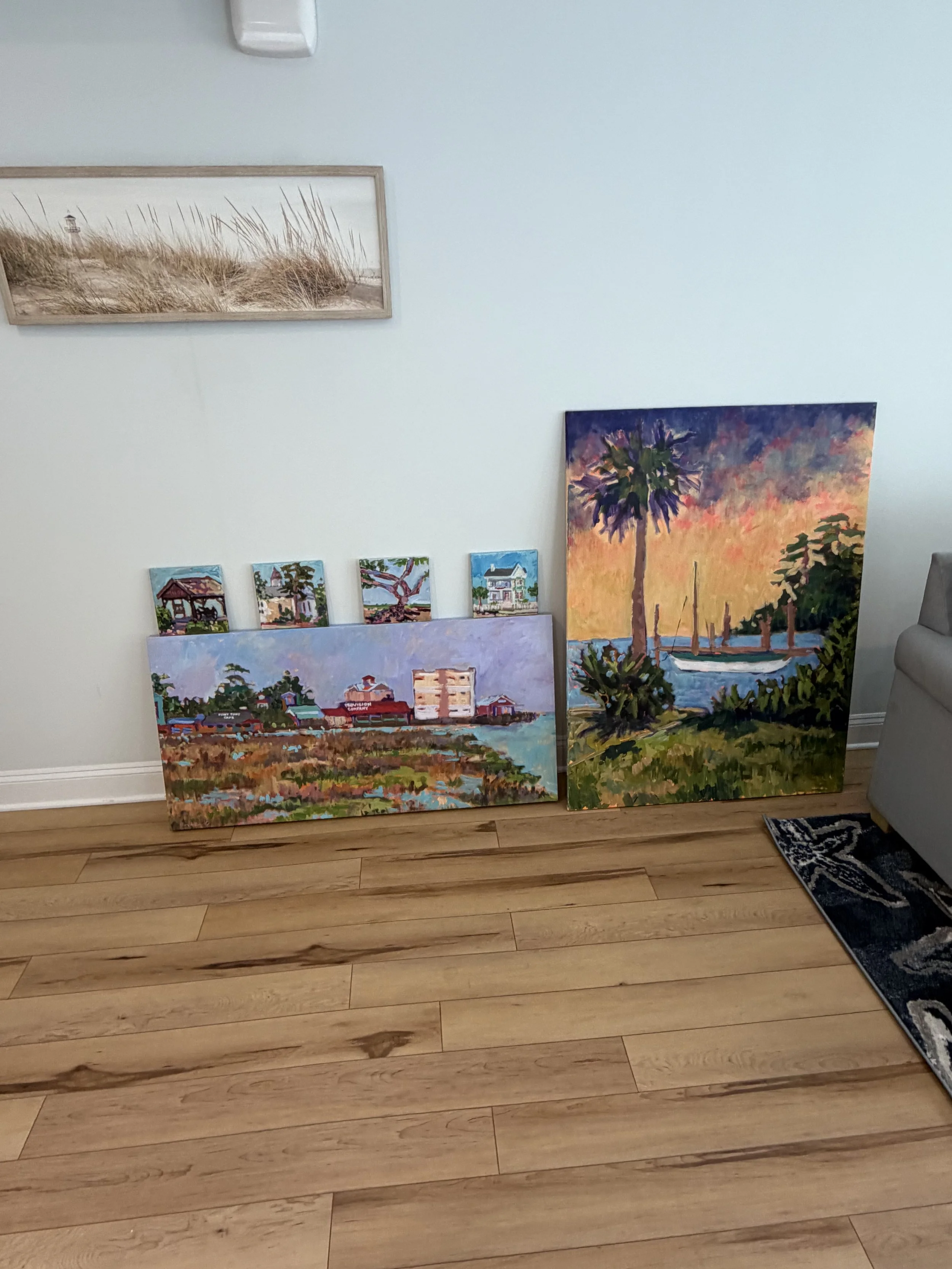
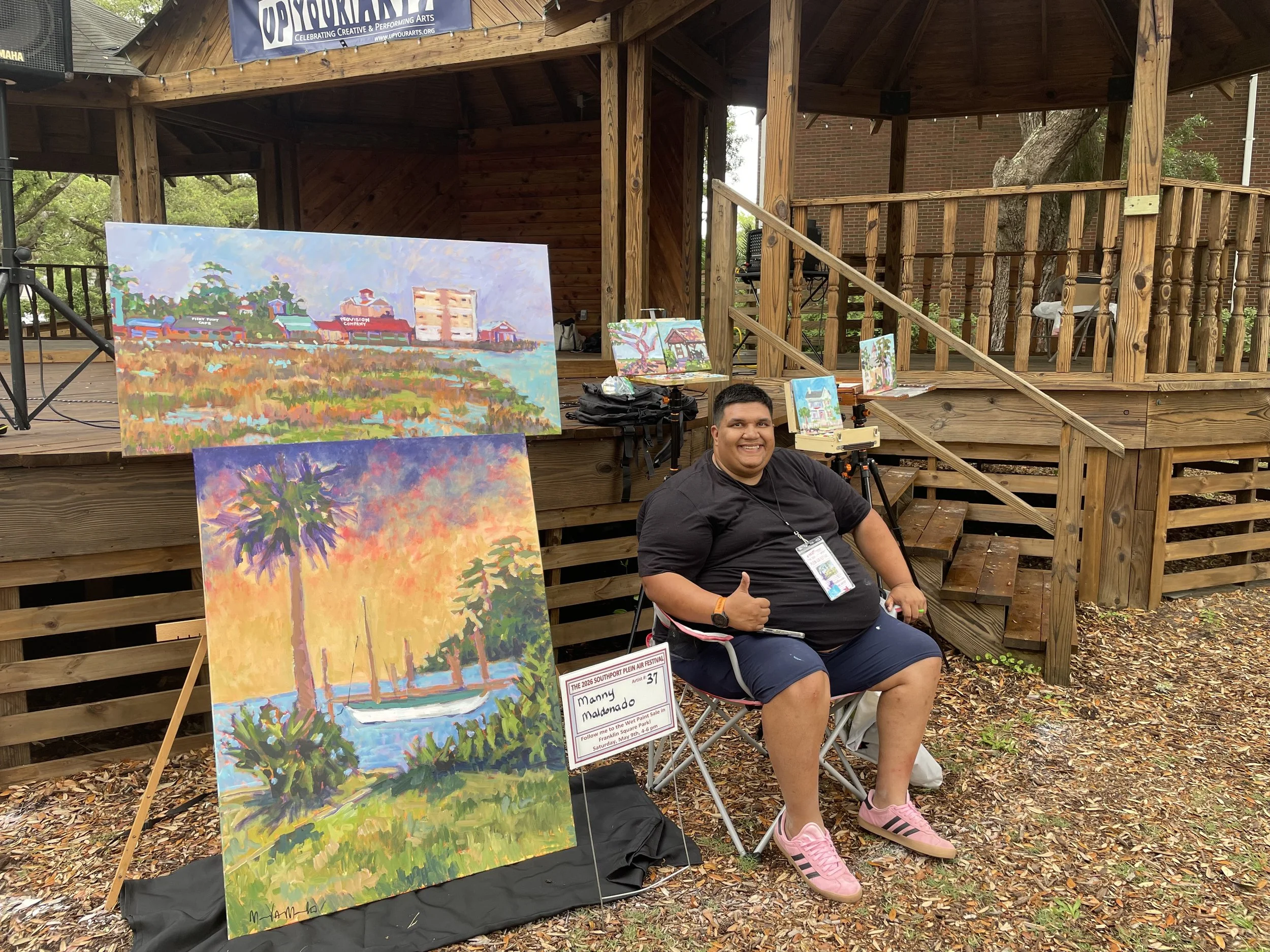
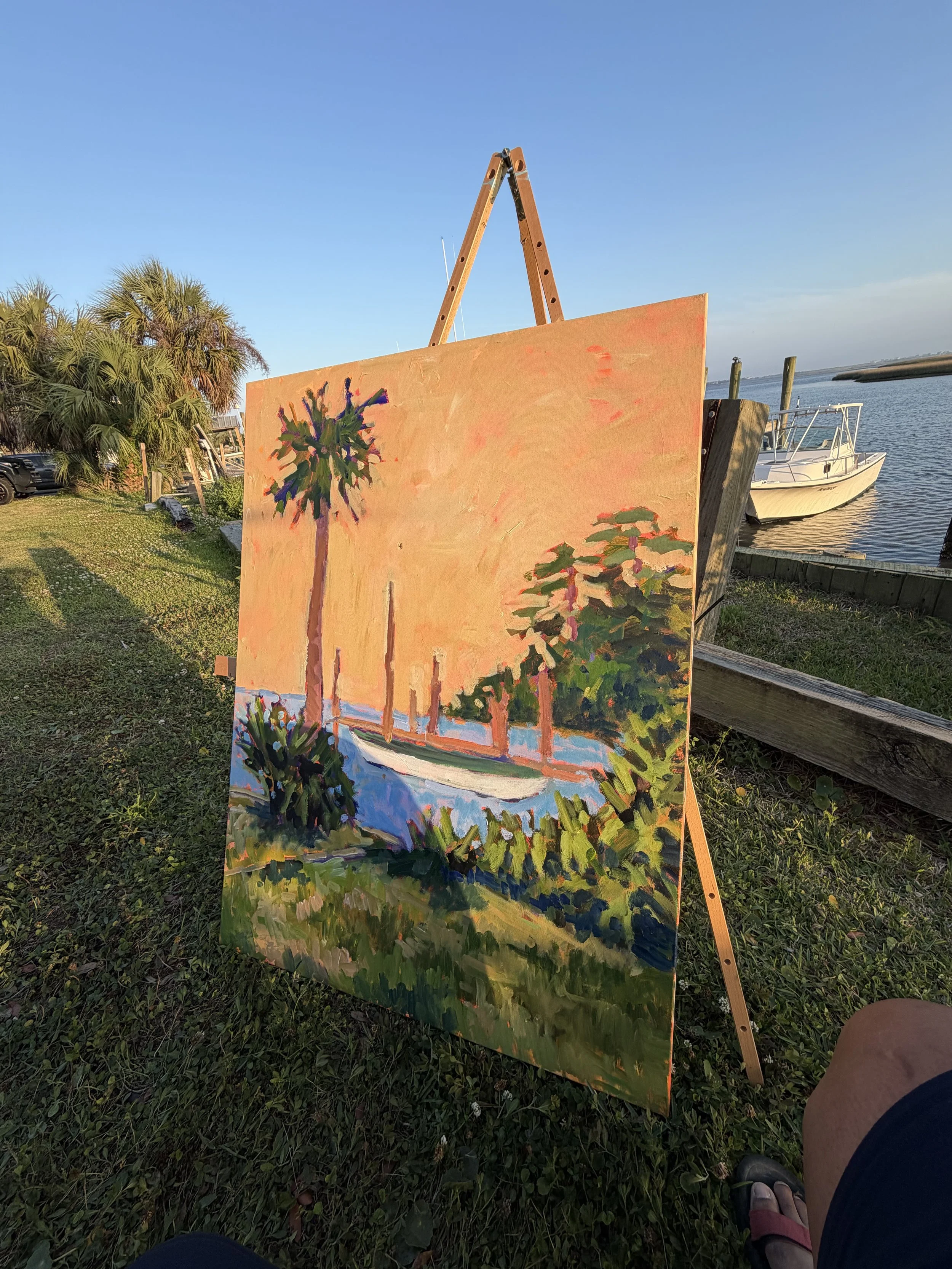
Every plein air event has a story behind the paintings. This year at the Southport Plein Air Festival, mine had a few chapters I didn’t expect.Plein air painting always comes with its own set of challenges—weather, light changes, curious onlookers, and the occasional unexpected obstacle. But this year, the obstacles felt like they were testing me from every angle.
Fire Ants, Mosquitos and Flying Canvases.
It started with the elements—nature doing what nature does. At one point while painting, I realized I was standing in the middle of a fire ant colony. If you’ve never been mauled by fire ants while trying to paint, let me tell you, it’s not exactly conducive to calm brushwork. There’s nothing quite like trying to keep your composure while your legs feel like they’re on fire.
Then came the wind.
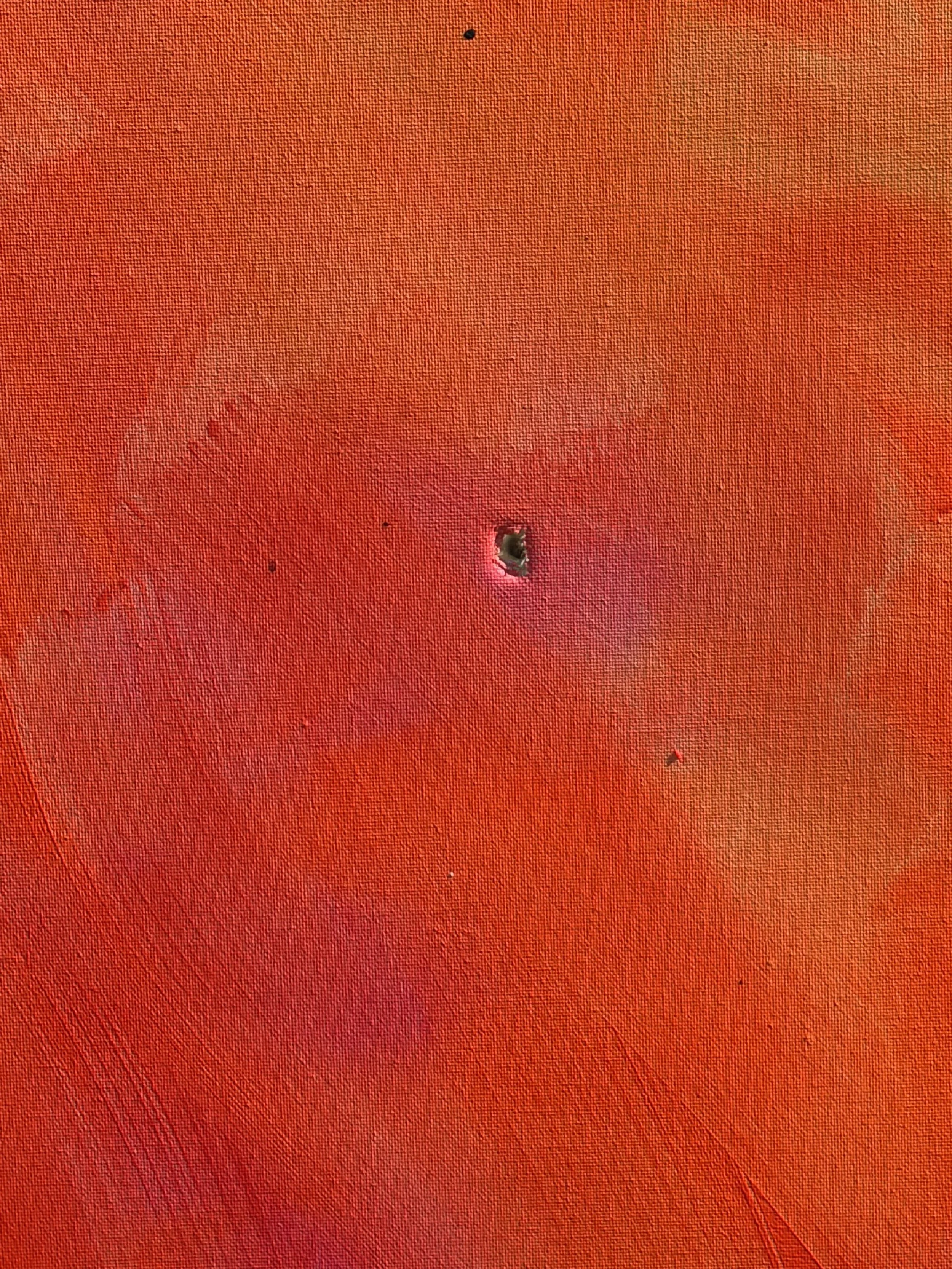
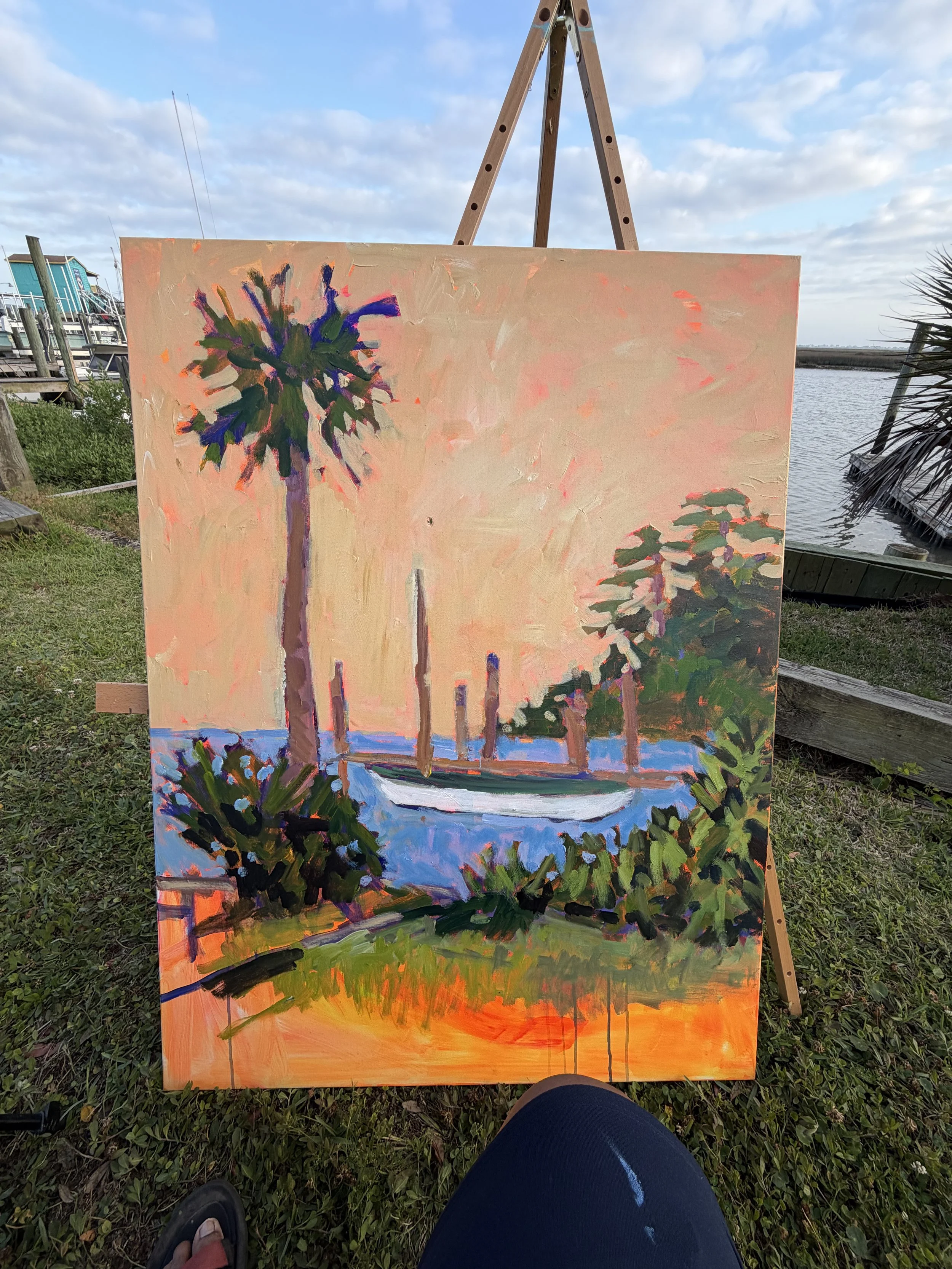
Southport has these sudden coastal gusts that come out of nowhere. One of them caught my biggest canvas and sent it flying off my field easel like a sail. When it hit the ground, a hole was punched straight through it. For a moment, I just stared at it thinking, Well… there goes that.But plein air teaches you something important: adapt or pack up. So I patched the canvas right there, reset the easel, strapped the painting down tighter, and kept going. Because once you commit to painting outside, you commit to rolling with whatever the day throws at you.
The Part People Don’t Talk About.
Not all the challenges were physical. During the event, I had an interaction with a fellow artist that left me feeling uneasy—something that, at the time, I brushed off and kept moving past. When you’re in the middle of a festival, painting against the clock, surrounded by people, you tend to compartmentalize things and focus on the task at hand.But as I drove back home later, replaying the week in my head, it finally hit me.What I experienced wasn’t just an awkward interaction. It was racial profiling and racism.That realization sat heavy. It’s a strange feeling when you recognize something after the fact—when the moment has already passed and you’re left processing it alone in the quiet of a long drive home.And unfortunately, moments like that aren’t unfamiliar. Welcome to my life as a brown man.Most days, I just keep moving forward. I focus on the work, on the art, on the people who show genuine kindness and support. But it’s still something that happens, something that lingers in the background even in spaces that are supposed to be about creativity and community.
Why I Still Show Up.
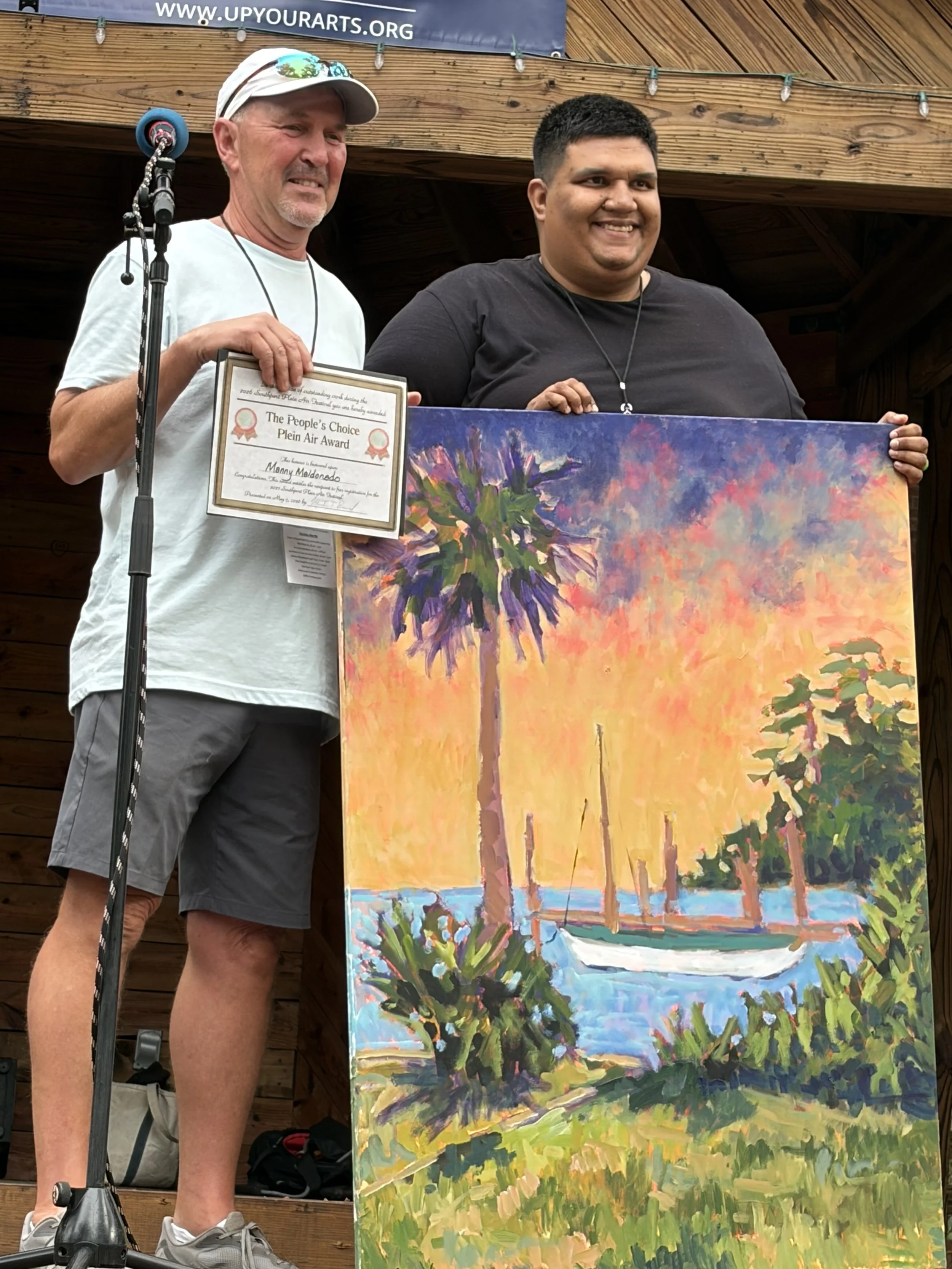
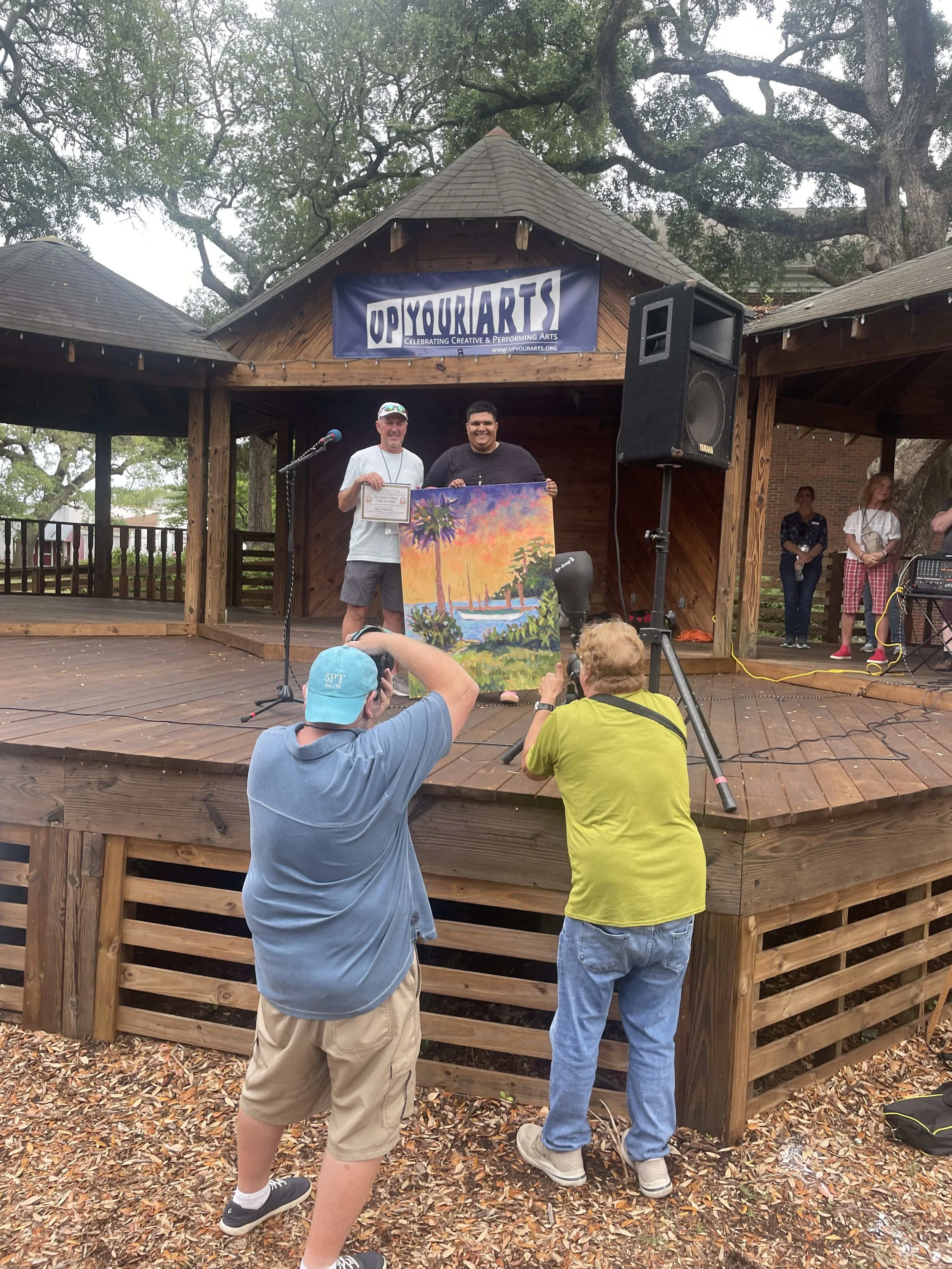
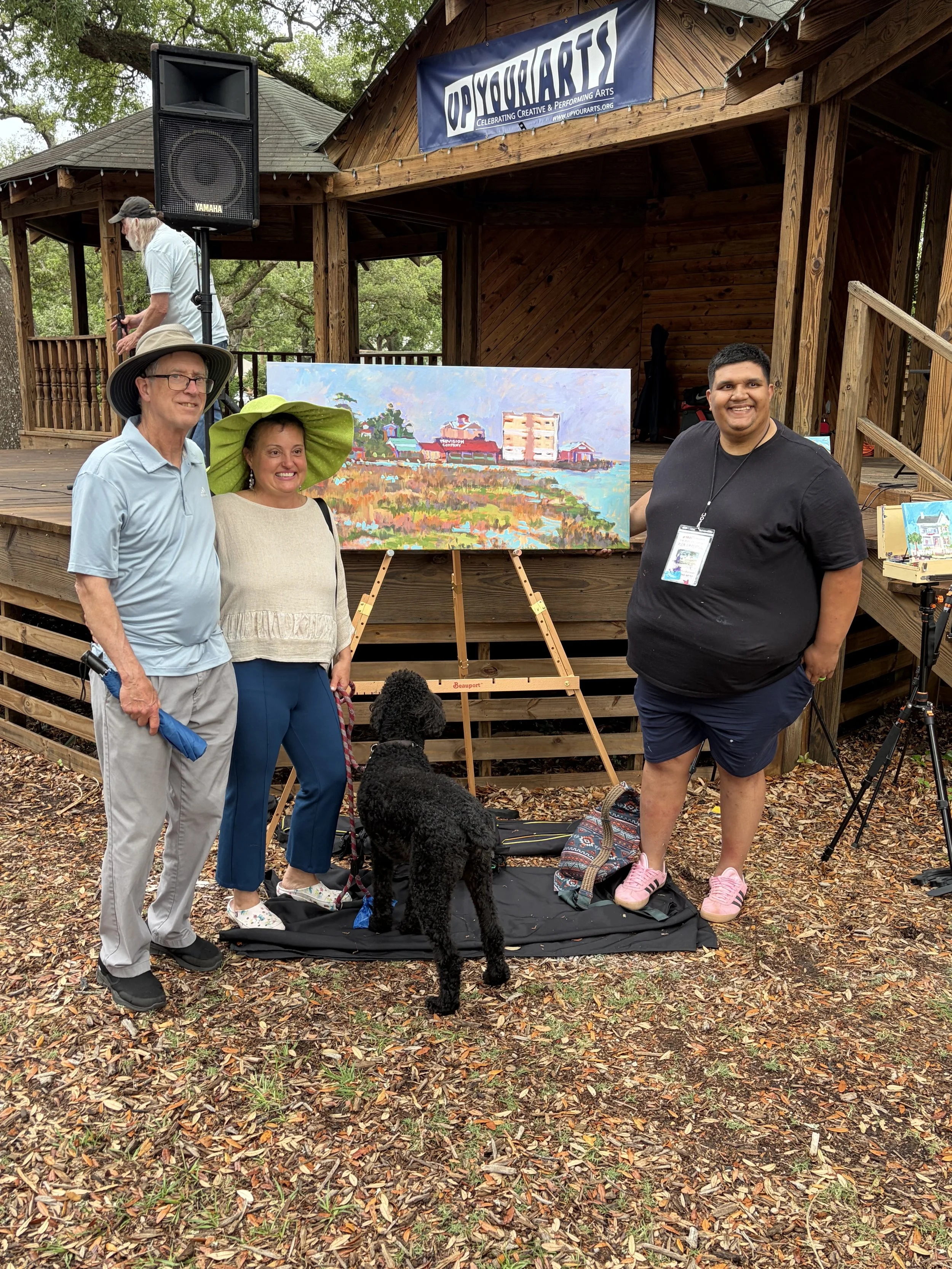
Despite all of that—the fire ants, the wind, the damaged canvas, and the heavier moments—I kept painting. Because painting outdoors is still one of the most freeing experiences I know. Standing in front of a canvas with the ocean breeze, trying to capture a fleeting moment of light… that’s why I do this.And in the end, the community showed up in a way that reminded me why I keep coming back.I was honored to win the People’s Choice Award at the Southport Plein Air Festival. That award means a lot because it comes directly from the people who stopped, looked, connected with the work, and cast their vote. After everything that happened that week, that moment felt like a reminder that the art still speaks louder than the noise.The Real Story Behind the Paintings When people see a finished painting hanging in a gallery, they rarely see the full story behind it. They don’t see the wind trying to steal your canvas, the ant bites, the patched holes, or the emotional weight you might be carrying while you paint. But all of that ends up in the work somehow.That’s the reality of plein air painting—and honestly, the reality of life. You take the hits, patch the holes, and keep painting. And sometimes, despite everything, you still come out the other side with a painting you’re proud of and a story worth telling.